Author Pages Author Pages

Browse Sign In
BoingyBooks Classics

BoingyBooks Classics

BoingyBooks Classics brings timeless children's stories to life with interactive read-along technology. Each book features word-by-word bouncing ball animation synchronized to professional narration, with touch-to-pronounce on every word to help young readers build vocabulary and reading skills. Our library includes beloved public domain classics and Creative Commons picture books from around the world — all free to read, share, and enjoy.
More Books by BoingyBooks Classics
'Twas the Night before Christmas

'Twas the Night before Christmas

by Clement Clarke Moore
BoingyBooks • 15 pages
A public domain classic, originally published before 1928. Free to read and share. About This Edition This interactive read-along edition features the original illustrations by Jessie Willcox Smith from the 1912 Houghton Mifflin edition, paired with professional narration, word-by-word bouncin...
Frankenstein

Frankenstein

BoingyBooks
Frankenstein; or, The Modern Prometheus by Mary Wollstonecraft Shelley (1818) The most downloaded book on Project Gutenberg and one of the most influential novels ever written. Mary Shelley conceived this masterpiece at age 18 during the famous ghost story contest at the Villa Diodati on Lake Genev...
A Christmas Carol

A Christmas Carol

BoingyBooks
A Christmas Carol in Prose, Being a Ghost-Story of Christmas by Charles Dickens (1843) The story that saved Christmas. Ebenezer Scrooge, the Ghosts of Christmas Past, Present, and Yet to Come, and Tiny Tim — Dickens created the modern Christmas in a single novella. Historical Significance: Dickens...
The Great Gatsby

The Great Gatsby

BoingyBooks
The Great Gatsby by F. Scott Fitzgerald (1925) The defining novel of the Jazz Age and the American Dream, The Great Gatsby entered the public domain on January 1, 2021, becoming one of the most downloaded books in history overnight. Historical Significance: Fitzgerald wrote the novel in 1924 while...
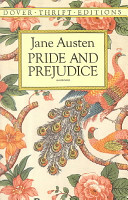
Pride and Prejudice

Pride and Prejudice

BoingyBooks
Pride and Prejudice by Jane Austen (1813) "It is a truth universally acknowledged, that a single man in possession of a good fortune, must be in want of a wife." — one of the most famous opening lines in all of literature. Historical Significance: Jane Austen completed this novel in 1797 under the...
Alice's Adventures in Wonderland

Alice's Adventures in Wonderland

BoingyBooks
Alice's Adventures in Wonderland by Lewis Carroll (1865) One of the most beloved and influential children's books ever written, Alice's Adventures in Wonderland began as a story told by Charles Lutwidge Dodgson (pen name Lewis Carroll) to Alice Liddell and her sisters during a boat trip on the Tham...
Dracula

Dracula

BoingyBooks
Dracula by Bram Stoker (1897) The novel that created the modern vampire myth and launched an entire genre of horror fiction. Count Dracula is one of the most recognizable characters in world literature. Historical Significance: Bram Stoker, an Irish author and theater manager, spent seven years re...
A Connecticut Yankee in King Arthur's Court

A Connecticut Yankee in King Arthur's Court

BoingyBooks
A Connecticut Yankee in King Arthur's Court by Mark Twain (1889) A 19th-century American factory superintendent is knocked unconscious and wakes up in 6th-century Camelot, where he uses his modern knowledge to become "The Boss" — industrializing medieval England with guns, telephones, and democracy...
A Little Princess

A Little Princess

BoingyBooks
A Little Princess by Frances Hodgson Burnett (1905) Sara Crewe, a wealthy boarding school student, loses everything when her father dies penniless — yet maintains her dignity, imagination, and kindness through poverty and cruelty. A story about the true meaning of being a princess. Historical Sign...
A Midsummer Night's Dream

A Midsummer Night's Dream

BoingyBooks
A Midsummer Night's Dream by William Shakespeare (c. 1595) "Lord, what fools these mortals be!" Four young lovers flee Athens into an enchanted forest, where fairy king Oberon and the mischievous Puck use a magical flower to create romantic chaos — and Bottom the weaver gets a donkey's head. Histo...
A Portrait of the Artist as a Young Man

A Portrait of the Artist as a Young Man

BoingyBooks
A Portrait of the Artist as a Young Man by James Joyce (1916) Stephen Dedalus grows from infancy through a Jesuit education to his declaration of artistic independence: "I will not serve." Joyce's autobiographical novel about the birth of an artist's consciousness. Historical Significance: Joyce s...
A Princess of Mars

A Princess of Mars

BoingyBooks
A Princess of Mars by Edgar Rice Burroughs (1912) Civil War veteran John Carter is mysteriously transported to Mars (Barsoom), where he discovers a dying planet of warring alien races, four-armed green warriors, and the beautiful princess Dejah Thoris. The novel that inspired Star Wars, Avatar, and...
A Room of One's Own

A Room of One's Own

BoingyBooks
A Room of One's Own by Virginia Woolf (1929) "A woman must have money and a room of her own if she is to write fiction." Woolf's extended essay on women and literature — arguing that women's absence from the literary canon is not due to lack of talent but lack of opportunity. Historical Significan...
A Room with a View

A Room with a View

BoingyBooks
A Room with a View by E.M. Forster (1908) Lucy Honeychurch, a young Englishwoman on holiday in Florence, is torn between the passionate, freethinking George Emerson and the stuffy, conventional Cecil Vyse. A sparkling comedy about breaking free from social convention to follow your heart. Historic...
A Study in Scarlet

A Study in Scarlet

BoingyBooks
A Study in Scarlet by Arthur Conan Doyle (1887) The very first Sherlock Holmes story. Dr. Watson meets the eccentric detective at 221B Baker Street, and together they investigate a mysterious murder in an empty London house. The beginning of the world's greatest literary partnership. Historical Si...
A Tale of Two Cities

A Tale of Two Cities

BoingyBooks
A Tale of Two Cities by Charles Dickens (1859) "It was the best of times, it was the worst of times" — the most famous opening line in English literature. Set against the French Revolution, this is Dickens' most dramatic and emotionally devastating novel, culminating in one of literature's greatest...
Adventures of Huckleberry Finn

Adventures of Huckleberry Finn

BoingyBooks
Adventures of Huckleberry Finn by Mark Twain (1884) "All modern American literature comes from one book by Mark Twain called Huckleberry Finn." — Ernest Hemingway. The story of a boy and a runaway slave rafting down the Mississippi River is America's most important — and most controversial — novel....
An Occurrence at Owl Creek Bridge and Other Stories

An Occurrence at Owl Creek Bridge and Other Stories

BoingyBooks
An Occurrence at Owl Creek Bridge and Other Stories by Ambrose Bierce (1891) A Confederate sympathizer stands on a bridge with a noose around his neck, about to be hanged by Union soldiers. The rope breaks, he plunges into the creek, escapes — or does he? The most anthologized American short story ...
Andersen's Fairy Tales

Andersen's Fairy Tales

BoingyBooks
Hans Andersen's Fairy Tales by Hans Christian Andersen (1835-1872) The Ugly Duckling, The Little Mermaid, The Emperor's New Clothes, The Snow Queen, Thumbelina, The Little Match Girl — unlike the Grimms' collected folk tales, Andersen wrote original fairy tales of heartbreaking beauty and sadness. ...
Anna Karenina

Anna Karenina

BoingyBooks
Anna Karenina by Leo Tolstoy (1877) "All happy families are alike; each unhappy family is unhappy in its own way." Anna Karenina's passionate, destructive affair with Count Vronsky unfolds against the backdrop of Russian aristocratic society — a novel Dostoyevsky called "flawless as a work of art."...
Anne of Avonlea

Anne of Avonlea

BoingyBooks
Anne of Avonlea by L.M. Montgomery (1909) Anne Shirley, now 16, becomes the teacher at Avonlea school and continues to get into scrapes while helping establish a village improvement society. The beloved sequel to Anne of Green Gables. Historical Significance: Published in 1909, Anne of Avonlea was...
Anne of Green Gables

Anne of Green Gables

BoingyBooks
Anne of Green Gables by L.M. Montgomery (1908) The irrepressible, imaginative, red-haired orphan Anne Shirley arrives at Green Gables on Prince Edward Island and transforms every life she touches. One of the most beloved characters in children's literature. Historical Significance: Lucy Maud Montg...
Anne of the Island

Anne of the Island

BoingyBooks
Anne of the Island by L.M. Montgomery (1915) Anne attends Redmond College, navigates multiple proposals of marriage, and finally recognizes her love for Gilbert Blythe. Many fans consider this the most romantic of the Anne books. Historical Significance: Published in 1915, Anne of the Island follo...
Around the World in Eighty Days

Around the World in Eighty Days

BoingyBooks
Around the World in Eighty Days by Jules Verne (1873) Phileas Fogg wagers £20,000 that he can circumnavigate the globe in just 80 days. With his loyal valet Passepartout, he races across continents by steamer, train, and elephant — with a detective in pursuit who suspects him of bank robbery. Hist...
Arrowsmith

Arrowsmith

BoingyBooks
Arrowsmith by Sinclair Lewis (1925) Martin Arrowsmith, an idealistic young doctor, battles against commercial medicine, institutional politics, and his own ambition to pursue pure scientific research. Lewis' most sympathetic novel and his tribute to the scientific spirit. Historical Significance: ...
As a Man Thinketh

As a Man Thinketh

BoingyBooks
As a Man Thinketh by James Allen (1903) "As a man thinketh in his heart, so is he." A short, powerful essay arguing that our thoughts shape our character, circumstances, and destiny. The grandfather of all self-help books. Historical Significance: James Allen, a British philosophical writer who li...
At the Earth's Core

At the Earth's Core

BoingyBooks
At the Earth's Core by Edgar Rice Burroughs (1914) David Innes and inventor Abner Perry drill through the Earth's crust in a mechanical "iron mole" and discover Pellucidar — a savage prehistoric world inside the hollow Earth, lit by a central sun, where humans are enslaved by telepathic reptiles. ...
Autobiography of Benjamin Franklin

Autobiography of Benjamin Franklin

BoingyBooks
The Autobiography of Benjamin Franklin by Benjamin Franklin (written 1771-1790, published 1791) America's first self-help book. Franklin's account of his rise from a runaway printer's apprentice to the most famous American of his age — scientist, inventor, diplomat, and Founding Father. Historical...
Babbitt

Babbitt

BoingyBooks
Babbitt by Sinclair Lewis (1922) George F. Babbitt, a middle-aged real estate broker in the fictional city of Zenith, is the ultimate conformist — booster, joiner, and upholder of conventional values — until a midlife crisis drives him to rebellion. The definitive satire of American middle-class li...
Beowulf

Beowulf

BoingyBooks
Beowulf (c. 700-1000 AD) The oldest surviving epic poem in English. The warrior Beowulf sails to Denmark to fight the monster Grendel, then Grendel's mother, and finally — decades later — a dragon. A tale of heroism, mortality, and the passage of time. Historical Significance: Composed in Old Engl...
Beyond Good and Evil

Beyond Good and Evil

BoingyBooks
Beyond Good and Evil by Friedrich Nietzsche (1886) "He who fights with monsters should look to it that he himself does not become a monster. And if you gaze long into an abyss, the abyss also gazes into you." Nietzsche's most systematic critique of traditional morality and philosophy. Historical S...
Black Beauty

Black Beauty

BoingyBooks
Black Beauty by Anna Sewell (1877) The autobiography of a horse. From a happy colt in an English meadow through years of varying treatment — kindness and cruelty, wealth and poverty — Black Beauty's story changed how the world treats animals. Historical Significance: Anna Sewell wrote Black Beauty...
Candide

Candide

BoingyBooks
Candide, or Optimism by Voltaire (1759) A naive young man, taught that "all is for the best in the best of all possible worlds," is expelled from paradise and experiences every catastrophe imaginable — war, earthquake, slavery, disease — yet somehow survives. The most devastating satire of the Enli...
Carmilla

Carmilla

BoingyBooks
Carmilla by Sheridan Le Fanu (1872) A young woman in an isolated Austrian castle is visited by a mysterious, beautiful girl who is drawn to her with disturbing intensity. The original vampire novella — predating Dracula by 25 years and introducing the female vampire to literature. Historical Signi...
Civil Disobedience

Civil Disobedience

BoingyBooks
Civil Disobedience by Henry David Thoreau (1849) "That government is best which governs least." Thoreau's essay on the moral duty to resist unjust government — written after spending a night in jail for refusing to pay a poll tax in protest of slavery and the Mexican-American War. Historical Signi...
Common Sense

Common Sense

BoingyBooks
Common Sense by Thomas Paine (1776) The pamphlet that started a revolution. In just 47 pages, Paine demolished the case for British rule, argued for American independence, and convinced a nation of colonists to become revolutionaries. The bestselling work of the 18th century. Historical Significan...
Cranford

Cranford

BoingyBooks
Cranford by Elizabeth Gaskell (1853) A charming, gently comic portrait of life in a small English town dominated by genteel elderly ladies who navigate social crises — a lost letter, a surprise visit, a financial disaster — with dignity, kindness, and considerable eccentricity. Historical Signific...
Crime and Punishment

Crime and Punishment

BoingyBooks
Crime and Punishment by Fyodor Dostoyevsky (1866) A destitute student murders a pawnbroker, believing himself to be an extraordinary man above moral law. What follows is one of literature's most intense psychological explorations of guilt, conscience, and redemption. Historical Significance: Dosto...
David Copperfield

David Copperfield

BoingyBooks
David Copperfield by Charles Dickens (1850) "Whether I shall turn out to be the hero of my own life, or whether that station will be held by anybody else, these pages must show." Dickens' most autobiographical novel, following young David from a troubled childhood through the discovery of his true ...
Dead Souls

Dead Souls

BoingyBooks
Dead Souls by Nikolai Gogol (1842) Chichikov, a charming con man, travels through provincial Russia buying "dead souls" — serfs who have died but still appear on the census rolls — as collateral for a fraudulent mortgage scheme. Russia's greatest satirical novel. Historical Significance: Gogol pub...
Democracy in America

Democracy in America

BoingyBooks
Democracy in America by Alexis de Tocqueville (1835/1840) A young French aristocrat visits the United States in 1831 and writes the most penetrating analysis of American democracy ever produced — identifying both its strengths and its dangers with prophetic accuracy. Historical Significance: Alexi...
Don Juan

Don Juan

BoingyBooks
Don Juan by Lord Byron (1819-1824) Not a seducer but a man seduced — Byron's comic masterpiece follows the hapless Juan from Spain to a harem in Constantinople, a Russian empress's bed, and the English countryside. The wittiest long poem in the English language. Historical Significance: Byron wrot...
Don Quixote

Don Quixote

BoingyBooks
Don Quixote by Miguel de Cervantes (1605/1615) The first modern novel. An aging Spanish gentleman reads so many chivalric romances that he loses his mind, dubs himself "Don Quixote de la Mancha," and sets out to right wrongs — tilting at windmills he believes are giants, with his faithful squire Sa...
Dubliners

Dubliners

BoingyBooks
Dubliners by James Joyce (1914) Fifteen short stories capturing the paralysis and quiet desperation of early 20th-century Dublin. "The Dead," the collection's masterpiece, is widely considered the greatest short story in the English language. Historical Significance: Joyce completed Dubliners in 1...
Emma

Emma

BoingyBooks
Emma by Jane Austen (1815) "Emma Woodhouse, handsome, clever, and rich" — a young woman convinced of her matchmaking genius repeatedly misreads everyone around her, including herself. Austen's most sophisticated comedy and her personal favorite. Historical Significance: Austen described Emma as "a...
Ethan Frome

Ethan Frome

BoingyBooks
Ethan Frome by Edith Wharton (1911) A bleak, devastating novella set in rural New England. Ethan Frome, trapped in a loveless marriage, falls for his wife's cousin Mattie Silver. Their desperate attempt to escape ends in tragedy. Wharton at her most spare and powerful. Historical Significance: Edi...
Far from the Madding Crowd

Far from the Madding Crowd

BoingyBooks
Far from the Madding Crowd by Thomas Hardy (1874) Bathsheba Everdene, a fiercely independent woman farmer, attracts three very different suitors: the steadfast shepherd Gabriel Oak, the reckless soldier Sergeant Troy, and the obsessive farmer Boldwood. Hardy's most beloved and accessible novel. Hi...
Fathers and Sons

Fathers and Sons

BoingyBooks
Fathers and Sons by Ivan Turgenev (1862) Bazarov, a young nihilist who rejects all authority, tradition, and sentiment, clashes with the older generation — until love makes a mockery of his philosophy. The novel that introduced the word "nihilism" to the world. Historical Significance: Published i...
Faust

Faust

BoingyBooks
Faust by Johann Wolfgang von Goethe (1808/1832) The supreme masterpiece of German literature. Scholar Heinrich Faust, dissatisfied with conventional learning, makes a pact with the devil Mephistopheles: unlimited knowledge and pleasure in exchange for his soul. Historical Significance: Goethe spen...
Five Children and It

Five Children and It

BoingyBooks
Five Children and It by E. Nesbit (1902) Five siblings discover a Psammead — a grumpy, ancient sand-fairy — who grants them one wish per day. Each wish goes hilariously and catastrophically wrong. The book that invented modern children's fantasy. Historical Significance: Edith Nesbit published Fiv...
Flatland: A Romance of Many Dimensions

Flatland: A Romance of Many Dimensions

BoingyBooks
Flatland: A Romance of Many Dimensions by Edwin A. Abbott (1884) A square living in a two-dimensional world is visited by a sphere from the third dimension, shattering everything he thought he knew about reality. A mathematical satire that is also a sharp social commentary on Victorian class and ge...
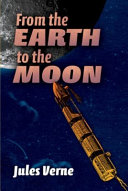
From the Earth to the Moon

From the Earth to the Moon

BoingyBooks
From the Earth to the Moon by Jules Verne (1865) After the Civil War, the Baltimore Gun Club decides to fire a projectile at the Moon — and three men volunteer to ride inside it. Verne's remarkably prophetic novel predicted the Apollo program with uncanny accuracy. Historical Significance: Publish...
Great Expectations

Great Expectations

BoingyBooks
Great Expectations by Charles Dickens (1861) Young orphan Pip encounters an escaped convict, inherits mysterious wealth from an unknown benefactor, and learns that true gentility comes from character, not fortune. Dickens' most personal and psychologically complex novel. Historical Significance: S...
Greenmantle

Greenmantle

BoingyBooks
Greenmantle by John Buchan (1916) Richard Hannay is sent behind enemy lines during World War I to investigate a German plot to use Islamic jihad to destabilize the British Empire. A thrilling spy adventure across wartime Europe to Constantinople. Historical Significance: The sequel to The Thirty-N...
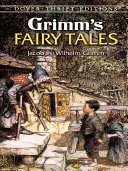
Grimm's Fairy Tales

Grimm's Fairy Tales

BoingyBooks
Grimm's Fairy Tales by Jacob and Wilhelm Grimm (1812-1857) The original fairy tales — Cinderella, Snow White, Rapunzel, Hansel and Gretel, Rumpelstiltskin, Sleeping Beauty, Little Red Riding Hood, and over 200 more. The stories that shaped childhood imagination across the Western world. Historical...
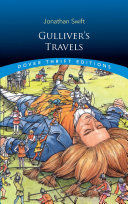
Gulliver's Travels

Gulliver's Travels

BoingyBooks
Gulliver's Travels by Jonathan Swift (1726) Lemuel Gulliver voyages to Lilliput (tiny people), Brobdingnag (giants), Laputa (flying island of mad scientists), and the land of the Houyhnhnms (intelligent horses). Often read as a children's adventure, it is actually the most savage satire in the Engl...
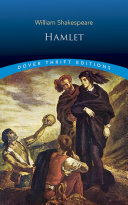
Hamlet

Hamlet

BoingyBooks
Hamlet, Prince of Denmark by William Shakespeare (c. 1600) "To be, or not to be, that is the question." The greatest play ever written. Prince Hamlet, commanded by his father's ghost to avenge his murder by his uncle Claudius, descends into madness — real or feigned — in literature's most profound ...
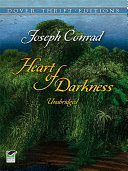
Heart of Darkness

Heart of Darkness

BoingyBooks
Heart of Darkness by Joseph Conrad (1899) "The horror! The horror!" — A haunting journey up the Congo River into the heart of European colonialism's darkest impulses. One of the most powerful and controversial novellas in English literature. Historical Significance: Joseph Conrad, born Józef Teodo...
Heidi

Heidi

BoingyBooks
Heidi by Johanna Spyri (1881) An orphan girl is sent to live with her grumpy grandfather on an Alpine mountain — and transforms his life, her own, and everyone she meets with her irresistible joy and goodness. One of the most beloved children's books ever written. Historical Significance: Johanna ...
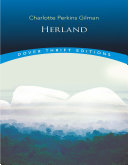
Herland

Herland

BoingyBooks
Herland by Charlotte Perkins Gilman (1915) Three male explorers discover a hidden country inhabited entirely by women who reproduce through parthenogenesis. The men's assumptions about gender are systematically demolished. A feminist utopia by the author of "The Yellow Wallpaper." Historical Signi...
Howards End

Howards End

BoingyBooks
Howards End by E.M. Forster (1910) "Only connect!" The Schlegel sisters (intellectual, liberal) and the Wilcox family (practical, conservative) are drawn together by a country house called Howards End. Forster's meditation on class, culture, and the soul of England. Historical Significance: Publis...
Jane Eyre

Jane Eyre

BoingyBooks
Jane Eyre: An Autobiography by Charlotte Brontë (1847) "Reader, I married him." — The passionate, gothic love story of a plain but fiercely independent governess and the brooding Mr. Rochester, hiding a terrible secret in the attic of Thornfield Hall. Historical Significance: Charlotte Brontë publ...
Jude the Obscure

Jude the Obscure

BoingyBooks
Jude the Obscure by Thomas Hardy (1895) Jude Fawley, a self-taught stonemason, dreams of studying at the university of Christminster (Oxford) but is thwarted at every turn by class, convention, and his own disastrous relationships. Hardy's darkest and most controversial novel. Historical Significa...
Kim

Kim

BoingyBooks
Kim by Rudyard Kipling (1901) Kimball O'Hara, an Irish orphan raised as a street urchin in Lahore, becomes entangled in the "Great Game" of British espionage along the Grand Trunk Road of India. A picaresque masterpiece of adventure, spirituality, and cultural identity. Historical Significance: Co...
King Solomon's Mines

King Solomon's Mines

BoingyBooks
King Solomon's Mines by H. Rider Haggard (1885) Allan Quatermain leads an expedition into uncharted Africa to find a missing man — and discovers the legendary diamond mines of King Solomon. The original adventure quest that set the template for Indiana Jones. Historical Significance: Haggard wrote...
Lady Susan

Lady Susan

BoingyBooks
Lady Susan by Jane Austen (written c. 1794, published 1871) An epistolary novella featuring Austen's most deliciously wicked character: Lady Susan Vernon, a beautiful, manipulative widow who schemes to secure wealthy husbands for herself and her reluctant daughter. Austen's darkest and funniest cre...
Leaves of Grass

Leaves of Grass

BoingyBooks
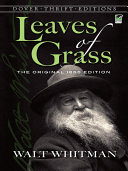
Leaves of Grass by Walt Whitman (1855-1891) "I celebrate myself, and sing myself." The most revolutionary collection of poetry in American literature. Whitman reinvented poetry with his free verse, sensual imagery, and democratic vision that embraced all of America. Historical Significance: Whitma...
Les Misérables

Les Misérables

BoingyBooks
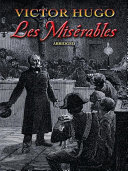
Les Misérables by Victor Hugo (1862) The epic story of Jean Valjean — imprisoned 19 years for stealing bread, redeemed by a bishop's mercy, hunted by the relentless Inspector Javert — set against the turbulent backdrop of post-Napoleonic France. A sweeping meditation on justice, love, and the possi...
Leviathan

Leviathan

BoingyBooks
Leviathan by Thomas Hobbes (1651) "The life of man: solitary, poor, nasty, brutish, and short." Hobbes' argument that only a powerful sovereign can prevent the war of "all against all" — the most influential work of political philosophy in the English language. Historical Significance: Thomas Hobb...
Little Lord Fauntleroy

Little Lord Fauntleroy

BoingyBooks
Little Lord Fauntleroy by Frances Hodgson Burnett (1886) A poor American boy discovers he is heir to an English earldom. His innocent goodness transforms his crusty grandfather and everyone he meets. The novel that made Burnett famous and launched a fashion craze. Historical Significance: Serializ...
Little Women

Little Women

BoingyBooks
Little Women by Louisa May Alcott (1868) The beloved story of the four March sisters — Meg, Jo, Beth, and Amy — growing up during the Civil War. Jo March remains one of the most iconic heroines in American literature. Historical Significance: Alcott wrote Little Women at the request of her publish...
Lord Jim

Lord Jim

BoingyBooks
Lord Jim by Joseph Conrad (1900) A young British seaman abandons a sinking ship full of pilgrims in a moment of cowardice, then spends the rest of his life seeking redemption in the remote jungles of Southeast Asia. Conrad's masterpiece of moral complexity. Historical Significance: Published in 19...
Macbeth

Macbeth

BoingyBooks
Macbeth by William Shakespeare (c. 1606) "Is this a dagger which I see before me?" Three witches prophesy that Macbeth will become King of Scotland. Spurred by his wife's relentless ambition, he murders his way to the throne — and is consumed by guilt and paranoia. Historical Significance: Shakesp...
Madame Bovary

Madame Bovary

BoingyBooks
Madame Bovary by Gustave Flaubert (1857) Emma Bovary, a doctor's wife in provincial Normandy, seeks escape from her dull marriage through passionate love affairs and reckless spending — with devastating consequences. The novel that invented literary realism. Historical Significance: Flaubert was p...
Main Street

Main Street

BoingyBooks
Main Street by Sinclair Lewis (1920) Carol Kennicott, an idealistic young woman, marries a small-town doctor and moves to Gopher Prairie, Minnesota — where she discovers that small-town America is not charming but narrow-minded, materialistic, and hostile to change. Historical Significance: Main S...
Mansfield Park

Mansfield Park

BoingyBooks
Mansfield Park by Jane Austen (1814) Fanny Price, a poor relation taken in by wealthy relatives, quietly observes their moral failures while struggling with her own feelings for her cousin Edmund. Austen's most morally complex and controversial novel. Historical Significance: Published in 1814, Ma...
Meditations

Meditations

BoingyBooks
Meditations by Marcus Aurelius (c. 161-180 AD) The private journal of a Roman Emperor — never intended for publication. Marcus Aurelius' reflections on duty, mortality, self-discipline, and finding peace amid chaos. The most accessible and beloved work of Stoic philosophy. Historical Significance:...
Metamorphosis

Metamorphosis

BoingyBooks
The Metamorphosis by Franz Kafka (1915) "One morning, when Gregor Samsa woke from troubled dreams, he found himself transformed in his bed into a horrible vermin." — The most famous opening line in 20th-century literature. A traveling salesman becomes a giant insect and watches his family's love cu...
Middlemarch

Middlemarch

BoingyBooks
Middlemarch: A Study of Provincial Life by George Eliot (1872) The novel Virginia Woolf called "one of the few English novels written for grown-up people." Dorothea Brooke, Dr. Lydgate, and a vast cast navigate marriage, ambition, politics, and moral choice in a fictional English Midlands town duri...
Moby Dick; Or, The Whale

Moby Dick; Or, The Whale

BoingyBooks
Moby-Dick; or, The Whale by Herman Melville (1851) "Call me Ishmael." — three words that open one of the greatest and most ambitious novels in the English language. Captain Ahab's obsessive hunt for the white whale is an epic meditation on obsession, nature, God, and the limits of human knowledge. ...
Mrs Dalloway

Mrs Dalloway

BoingyBooks
Mrs Dalloway by Virginia Woolf (1925) "Mrs. Dalloway said she would buy the flowers herself." One day in the life of Clarissa Dalloway as she prepares for a party in post-war London, her consciousness flowing between past and present, joy and despair. Historical Significance: Published in 1925, Mr...
My Ántonia

My Ántonia

BoingyBooks
My Ántonia by Willa Cather (1918) The story of Ántonia Shimerda, a Bohemian immigrant girl on the Nebraska prairie, told through the memories of her childhood friend Jim Burden. A luminous, heartbreaking portrait of the American pioneer experience. Historical Significance: Willa Cather based Ánton...
My Man Jeeves

My Man Jeeves

BoingyBooks
My Man Jeeves by P.G. Wodehouse (1919) Bertie Wooster, the amiable but dim aristocrat, and Jeeves, his genius valet, navigate society scrapes with impeccable comic timing. The first collection of the most beloved comic duo in English literature. Historical Significance: P.G. Wodehouse introduced J...
Nana

Nana

BoingyBooks
Nana by Émile Zola (1880) A beautiful, talentless actress rises from the Paris slums to become the most desired courtesan of the Second Empire, destroying every man who falls under her spell. Zola's explosive novel about sex, power, and the corruption of an empire. Historical Significance: Publish...
Narrative of the Life of Frederick Douglass

Narrative of the Life of Frederick Douglass

BoingyBooks
Narrative of the Life of Frederick Douglass, an American Slave by Frederick Douglass (1845) The autobiography of a man who escaped slavery, taught himself to read, and became the most powerful voice for abolition in American history. One of the most important documents in American literature and ci...
Nicomachean Ethics

Nicomachean Ethics

BoingyBooks
Nicomachean Ethics by Aristotle (c. 340 BC) Aristotle's investigation into the nature of the good life. What is happiness? What is virtue? How should we live? The foundational text of Western ethical philosophy, still studied in every philosophy department on Earth. Historical Significance: Named ...
Northanger Abbey

Northanger Abbey

BoingyBooks
Northanger Abbey by Jane Austen (1817) Catherine Morland, an avid reader of Gothic novels, visits the ancient Northanger Abbey and lets her imagination run wild, suspecting her host of terrible crimes. Austen's delightful satire of Gothic fiction and the dangers of confusing novels with reality. H...
Notes from Underground

Notes from Underground

BoingyBooks
Notes from Underground by Fyodor Dostoyevsky (1864) "I am a sick man... I am a spiteful man." The anguished, paradoxical confessions of a retired civil servant — bitter, self-aware, and unable to change. The first existentialist novel and the birth of the modern anti-hero. Historical Significance:...
Oliver Twist

Oliver Twist

BoingyBooks
Oliver Twist by Charles Dickens (1838) "Please, sir, I want some more." The orphan boy who dared to ask for a second helping of gruel — and was thrust into London's criminal underworld of Fagin, the Artful Dodger, and the murderous Bill Sikes. Dickens' furious attack on the workhouse system and chi...
On Liberty

On Liberty

BoingyBooks
On Liberty by John Stuart Mill (1859) "The only purpose for which power can be rightfully exercised over any member of a civilized community, against his will, is to prevent harm to others." The foundational text of classical liberalism and individual rights. Historical Significance: Published in ...
On the Origin of Species

On the Origin of Species

BoingyBooks
On the Origin of Species by Charles Darwin (1859) The book that changed everything. Darwin's theory of evolution by natural selection overturned centuries of belief about the natural world and humanity's place in it. The most important scientific book ever published. Historical Significance: Charl...
Ozma of Oz

Ozma of Oz

BoingyBooks
Ozma of Oz by L. Frank Baum (1907) Dorothy returns to Oz via a shipwreck, accompanied by a talking yellow hen named Billina. Together they face the terrifying Nome King and rescue the Royal Family of Ev. Often considered the best of the Oz sequels. Historical Significance: Published in 1907, Ozma ...
Paradise Lost

Paradise Lost

BoingyBooks
Paradise Lost by John Milton (1667) "Better to reign in Hell than serve in Heaven." Satan's rebellion against God, the Fall of Man, and the expulsion from Eden — told in the most majestic English verse ever written. Milton's blind dictation of this epic is one of literature's great feats. Historic...
Persuasion

Persuasion

BoingyBooks
Persuasion by Jane Austen (1817) Austen's last completed novel and her most mature love story. Anne Elliot, persuaded at 19 to break her engagement to Captain Wentworth, meets him again eight years later — older, wiser, and still in love. A tender meditation on second chances and the constancy of t...
Peter Pan

Peter Pan

BoingyBooks
Peter and Wendy (Peter Pan) by J.M. Barrie (1911) The boy who never grows up. Peter Pan, Wendy Darling, Captain Hook, Tinker Bell, the Lost Boys, and Neverland — the ultimate fantasy of eternal childhood, tinged with melancholy and the ache of growing up. Historical Significance: Peter Pan first a...
Pragmatism

Pragmatism

BoingyBooks
Pragmatism: A New Name for Some Old Ways of Thinking by William James (1907) America's most original contribution to world philosophy. James argues that the truth of an idea is determined by its practical consequences — "truth happens to an idea; it is made true by events." Historical Significance...
Pygmalion

Pygmalion

BoingyBooks
Pygmalion by George Bernard Shaw (1913) Professor Henry Higgins bets he can transform Cockney flower girl Eliza Doolittle into a duchess through elocution lessons. But Eliza has more to teach Higgins than he realizes. The play that became My Fair Lady. Historical Significance: Shaw wrote Pygmalion...
Rebecca of Sunnybrook Farm

Rebecca of Sunnybrook Farm

BoingyBooks
Rebecca of Sunnybrook Farm by Kate Douglas Wiggin (1903) Spirited, imaginative Rebecca Rowena Randall is sent to live with her stern aunts and transforms their lives — and an entire town — with her irrepressible optimism and creativity. A forerunner to Anne of Green Gables. Historical Significance...
Resurrection

Resurrection

BoingyBooks
Resurrection by Leo Tolstoy (1899) Prince Nekhlyudov, serving on a jury, recognizes the accused prostitute as a woman he seduced and abandoned years ago. Consumed by guilt, he follows her through the Russian prison system, seeking to make amends. Tolstoy's last major novel. Historical Significance...
Rip Van Winkle

Rip Van Winkle

BoingyBooks
Rip Van Winkle by Washington Irving (1819) A lazy but likable Dutch-American farmer wanders into the Catskill Mountains, encounters mysterious men playing ninepins, drinks their liquor, and falls asleep for twenty years — waking to find his wife dead, his friends gone, and America transformed by re...
Robinson Crusoe

Robinson Crusoe

BoingyBooks
Robinson Crusoe by Daniel Defoe (1719) Shipwrecked and alone on a deserted island for 28 years, Robinson Crusoe must build shelter, grow food, and survive — until he discovers he is not alone. The novel that invented the survival genre and is often called the first English novel. Historical Signif...
Romeo and Juliet

Romeo and Juliet

BoingyBooks
Romeo and Juliet by William Shakespeare (c. 1595) The most famous love story ever written. Shakespeare's tragedy of "star-cross'd lovers" has defined romantic love in Western culture for over four centuries. Historical Significance: Shakespeare wrote Romeo and Juliet around 1594-1596, early in his...
Self-Reliance and Other Essays

Self-Reliance and Other Essays

BoingyBooks
Self-Reliance and Other Essays by Ralph Waldo Emerson (1841) "Trust thyself: every heart vibrates to that iron string." "A foolish consistency is the hobgoblin of little minds." "To be great is to be misunderstood." The most quoted American essayist — every sentence a proverb. Historical Significa...
Sense and Sensibility

Sense and Sensibility

BoingyBooks
Sense and Sensibility by Jane Austen (1811) Austen's first published novel. Sisters Elinor (sense) and Marianne (sensibility) Dashwood navigate love, heartbreak, and financial insecurity after their father's death leaves them nearly destitute. A masterful exploration of the tension between reason a...
She: A History of Adventure

She: A History of Adventure

BoingyBooks
She: A History of Adventure by H. Rider Haggard (1887) Two Englishmen journey to the heart of Africa and discover a lost kingdom ruled by Ayesha, "She-who-must-be-obeyed" — a 2,000-year-old white queen of supernatural beauty and terrifying power who has been waiting for her reincarnated lover. His...
Siddhartha

Siddhartha

BoingyBooks
Siddhartha by Hermann Hesse (1922) A young Brahmin's spiritual journey through asceticism, sensual pleasure, wealth, and despair to find enlightenment by a river. Not about the historical Buddha, but about a man named Siddhartha seeking his own path to wisdom. Historical Significance: Hermann Hess...
Silas Marner

Silas Marner

BoingyBooks
Silas Marner: The Weaver of Raveloe by George Eliot (1861) A lonely, miserly weaver, falsely accused of theft and betrayed by his best friend, withdraws from humanity — until a golden-haired orphan child appears at his hearth and redeems his life. Eliot's most compact and beloved novel. Historical...
Sister Carrie

Sister Carrie

BoingyBooks
Sister Carrie by Theodore Dreiser (1900) A young woman from small-town Wisconsin comes to Chicago, becomes the mistress of two men, and rises to fame as an actress — while the men who supported her are destroyed. The novel that launched American literary realism. Historical Significance: Theodore ...
Songs of Innocence and of Experience

Songs of Innocence and of Experience

BoingyBooks
Songs of Innocence and of Experience by William Blake (1789/1794) "Tyger Tyger, burning bright, / In the forests of the night." Blake's paired collections contrast the innocent wonder of childhood with the dark experience of the adult world. Each poem in Innocence has a shadowy counterpart in Exper...
Sonnets from the Portuguese

Sonnets from the Portuguese

BoingyBooks
Sonnets from the Portuguese by Elizabeth Barrett Browning (1850) "How do I love thee? Let me count the ways." Forty-four love sonnets written secretly during Elizabeth Barrett's courtship with Robert Browning — the most famous love poems in the English language. Historical Significance: Elizabeth ...
Sons and Lovers

Sons and Lovers

BoingyBooks
Sons and Lovers by D.H. Lawrence (1913) Paul Morel, a sensitive young man in a Nottinghamshire mining town, is torn between his intensely possessive mother and the women he loves. Lawrence's autobiographical masterpiece and the novel that launched his career. Historical Significance: Published in ...
Strange Case of Dr Jekyll and Mr Hyde

Strange Case of Dr Jekyll and Mr Hyde

BoingyBooks
Strange Case of Dr Jekyll and Mr Hyde by Robert Louis Stevenson (1886) A chilling novella about the duality of human nature that gave the English language a permanent metaphor for the battle between good and evil within every person. Historical Significance: Stevenson wrote the first draft in just...
Tao Te Ching

Tao Te Ching

BoingyBooks
Tao Te Ching by Lao Tzu (c. 4th century BC) "The Tao that can be told is not the eternal Tao." Eighty-one short, enigmatic verses on the nature of existence, leadership, and living in harmony with the universe. The foundational text of Taoism and one of the most translated books in human history. ...
Tarzan of the Apes

Tarzan of the Apes

BoingyBooks
Tarzan of the Apes by Edgar Rice Burroughs (1912) An English nobleman's infant son, orphaned in the African jungle, is raised by great apes and becomes the Lord of the Jungle. Tarzan — one of fiction's most enduring characters, spawning the most successful franchise of the early 20th century. Hist...
Tess of the d'Urbervilles

Tess of the d'Urbervilles

BoingyBooks
Tess of the d'Urbervilles by Thomas Hardy (1891) A pure young woman is seduced, abandoned, and ultimately destroyed by a hypocritical society. Hardy's most powerful novel and his most devastating critique of Victorian moral double standards. Historical Significance: Hardy subtitled the novel "A Pu...
The Adventures of Sherlock Holmes

The Adventures of Sherlock Holmes

BoingyBooks
The Adventures of Sherlock Holmes by Arthur Conan Doyle (1892) Twelve brilliant short stories featuring the world's most famous detective. "Elementary, my dear Watson" — though Holmes never actually says this exact phrase in any of the original stories. Historical Significance: Arthur Conan Doyle,...
The Adventures of Tom Sawyer

The Adventures of Tom Sawyer

BoingyBooks
The Adventures of Tom Sawyer by Mark Twain (1876) The novel that captured American boyhood forever. Tom Sawyer, Huck Finn, Becky Thatcher, Injun Joe, and the whitewashed fence — set along the Mississippi River in the fictional town of St. Petersburg, Missouri. Historical Significance: Mark Twain d...
The Age of Fable

The Age of Fable

BoingyBooks
Bulfinch's Mythology: The Age of Fable by Thomas Bulfinch (1855) Zeus and Hera, Odysseus and Circe, Perseus and Medusa, Theseus and the Minotaur — the definitive retelling of Greek, Roman, and Norse mythology for English-speaking readers. How most of the Western world learns its myths. Historical ...
The Age of Innocence

The Age of Innocence

BoingyBooks
The Age of Innocence by Edith Wharton (1920) Newland Archer is engaged to the perfect May Welland but falls passionately in love with her unconventional cousin, the Countess Olenska. Set in 1870s New York high society, a devastating portrait of how social conventions destroy authentic feeling. His...
The Age of Reason

The Age of Reason

BoingyBooks
The Age of Reason by Thomas Paine (1794-1807) Thomas Paine's explosive attack on organized religion and defense of deism — the belief in God through reason and nature rather than scripture and clergy. The book that made Paine the most hated man in America. Historical Significance: Paine wrote The ...
The Art of Love

The Art of Love

BoingyBooks
Ars Amatoria (The Art of Love) by Ovid (c. 2 AD) The ancient world's most famous guide to seduction. Ovid instructs men and women on where to find lovers, how to attract them, how to keep them, and how to manage affairs — all with wit, irony, and astonishing frankness. Historical Significance: Ovi...
The Art of War

The Art of War

BoingyBooks
The Art of War by Sun Tzu (c. 5th century BC) The oldest and most influential military strategy text ever written. "All warfare is based on deception." Thirteen chapters of strategic wisdom that transcend military application and are now studied in business schools, sports coaching, and leadership ...
The Autobiography of an Ex-Colored Man

The Autobiography of an Ex-Colored Man

BoingyBooks
The Autobiography of an Ex-Colored Man by James Weldon Johnson (1912) A light-skinned man of mixed race navigates both Black and white worlds in turn-of-the-century America, ultimately choosing to "pass" as white — and living with the consequences of that choice. A groundbreaking novel of racial id...
The Awakening

The Awakening

BoingyBooks
The Awakening by Kate Chopin (1899) Edna Pontellier, a young married woman in 1890s New Orleans, awakens to her own desires, independence, and sexuality — with devastating consequences. A novel so ahead of its time that it destroyed its author's career. Historical Significance: Kate Chopin publish...
The Blue Castle

The Blue Castle

BoingyBooks
The Blue Castle by L.M. Montgomery (1926) Valancy Stirling, a 29-year-old woman suffocated by her controlling family, receives a terminal diagnosis — and decides to finally live. She breaks every rule, speaks her mind, and finds unexpected love. Montgomery's most beloved adult novel. Historical Si...
The Book of the Thousand Nights and a Night

The Book of the Thousand Nights and a Night

BoingyBooks
The Arabian Nights (One Thousand and One Nights), translated by Richard F. Burton (1885) Scheherazade saves her life by telling her murderous husband a new story every night for 1,001 nights. Aladdin, Ali Baba and the Forty Thieves, Sinbad the Sailor — the most famous story collection in the world....
The Brothers Karamazov

The Brothers Karamazov

BoingyBooks
The Brothers Karamazov by Fyodor Dostoyevsky (1880) Dostoyevsky's final and greatest novel. Three brothers — the passionate Dmitri, the intellectual Ivan, and the saintly Alyosha — are drawn into the murder of their despicable father. A murder mystery that becomes the deepest exploration of faith, ...
The Call of the Wild

The Call of the Wild

BoingyBooks
The Call of the Wild by Jack London (1903) Buck, a domesticated dog stolen from a California estate and sold into the Yukon gold rush as a sled dog, gradually sheds civilization and answers the primal call of the wild. A brutal, beautiful novella about survival and the animal nature within us all. ...
The Canterbury Tales

The Canterbury Tales

BoingyBooks
The Canterbury Tales by Geoffrey Chaucer (c. 1387-1400) Thirty pilgrims journey from London to Canterbury Cathedral, each telling a tale to pass the time. From the bawdy Miller's Tale to the noble Knight's Tale — a panoramic portrait of medieval English society told with humor, humanity, and genius...
The Castle of Otranto

The Castle of Otranto

BoingyBooks
The Castle of Otranto by Horace Walpole (1764) The very first Gothic novel. A giant helmet falls from the sky and crushes the heir of Otranto on his wedding day. Supernatural terrors, secret passages, and prophetic curses follow in this wildly imaginative tale that launched an entire literary genre...
The Communist Manifesto

The Communist Manifesto

BoingyBooks
The Communist Manifesto by Karl Marx and Friedrich Engels (1848) "A spectre is haunting Europe — the spectre of communism." The most influential political pamphlet of the modern era. In just 12,000 words, Marx and Engels laid out a theory of history, class struggle, and revolution that would reshap...
The Confessions

The Confessions

BoingyBooks
The Confessions by Jean-Jacques Rousseau (1782-1789) "I have resolved on an enterprise which has no precedent: to show a man in all the truth of nature; and this man shall be myself." The autobiography that invented the modern memoir — radically, shockingly honest about sex, shame, and the inner li...
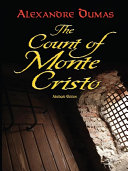
The Count of Monte Cristo

The Count of Monte Cristo

BoingyBooks
The Count of Monte Cristo by Alexandre Dumas (1844-1846) The ultimate revenge story. A young sailor is wrongfully imprisoned for 14 years, escapes, discovers a vast treasure, and reinvents himself as the mysterious Count of Monte Cristo to exact elaborate vengeance on those who destroyed his life. ...
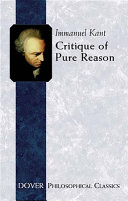
The Critique of Pure Reason

The Critique of Pure Reason

BoingyBooks
The Critique of Pure Reason by Immanuel Kant (1781) The most important work of modern philosophy. Kant asks: what can we know? His answer — that the mind actively structures experience rather than passively receiving it — revolutionized every branch of human knowledge. Historical Significance: Imm...
The Divine Comedy

The Divine Comedy

BoingyBooks
The Divine Comedy by Dante Alighieri (c. 1308-1320) "Abandon all hope, ye who enter here." Dante's journey through Hell, Purgatory, and Paradise — guided by the Roman poet Virgil and his beloved Beatrice. The supreme achievement of medieval literature and one of the greatest poems ever written. Hi...
The Enchanted April

The Enchanted April

BoingyBooks
The Enchanted April by Elizabeth Von Arnim (1922) Four very different Englishwomen escape their dreary London lives by renting a medieval Italian castle for the month of April. Under the spell of wisteria, sunshine, and the Mediterranean, each woman is transformed. Historical Significance: Elizabe...
The Essays of Montaigne

The Essays of Montaigne

BoingyBooks
The Essays of Michel de Montaigne (1580-1592) "Que sais-je?" — "What do I know?" Montaigne invented the essay form: short, personal, digressive explorations of everything from cannibals to kidney stones, from death to the education of children. Historical Significance: Michel de Montaigne, a Frenc...
The First Men in the Moon

The First Men in the Moon

BoingyBooks
The First Men in the Moon by H.G. Wells (1901) An eccentric scientist invents "Cavorite," a substance that blocks gravity, and travels to the Moon with a bankrupt businessman. They discover an underground civilization of insect-like Selenites organized into a rigid caste system. Historical Signifi...
The Food of the Gods

The Food of the Gods

BoingyBooks
The Food of the Gods and How It Came to Earth by H.G. Wells (1904) Two scientists create a substance that causes everything that eats it to grow to enormous size — insects, plants, animals, and eventually children. As the giant children grow up, they clash with a fearful humanity that wants to dest...
The Game of Life and How to Play It

The Game of Life and How to Play It

BoingyBooks
The Game of Life and How to Play It by Florence Scovel Shinn (1925) "The game of life is a game of boomerangs. Our thoughts, deeds, and words return to us sooner or later with astounding accuracy." A metaphysical guide to using affirmations, intuition, and spiritual law to transform your life. His...
The Genealogy of Morals

The Genealogy of Morals

BoingyBooks
On the Genealogy of Morals by Friedrich Nietzsche (1887) Nietzsche's most systematic work: three essays tracing the origins of moral concepts. Where did "good" and "evil" come from? Who benefits from our moral systems? A radical investigation that permanently changed how we think about ethics. His...
The Gods of Mars

The Gods of Mars

BoingyBooks
The Gods of Mars by Edgar Rice Burroughs (1913) John Carter returns to Barsoom (Mars) and discovers that the planet's religion is a fraud maintained by a race of false gods who feed on the faithful. A thrilling sequel that demolishes organized religion with adventure-fiction panache. Historical Si...
The Great God Pan

The Great God Pan

BoingyBooks
The Great God Pan by Arthur Machen (1894) A scientist performs brain surgery on a young woman to allow her to "see" the god Pan — the primal force behind reality. The experiment unleashes something terrible into Victorian London. Stephen King called it "maybe the best horror story in the English la...
The Histories

The Histories

BoingyBooks
The Histories by Herodotus (c. 430 BC) "The Father of History" tells the story of the Greco-Persian Wars — Marathon, Thermopylae, Salamis — along with astonishing digressions about Egyptian pyramids, Scythian customs, Indian gold-digging ants, and flying snakes. Historical Significance: Herodotus ...
The Hound of the Baskervilles

The Hound of the Baskervilles

BoingyBooks
The Hound of the Baskervilles by Arthur Conan Doyle (1902) The greatest Sherlock Holmes novel. A spectral hound stalks the Baskerville family on the fog-shrouded moors of Devon. Is the curse supernatural, or is there a human villain? Holmes investigates the most atmospheric and terrifying case of h...
The House of Mirth

The House of Mirth

BoingyBooks
The House of Mirth by Edith Wharton (1905) Lily Bart, beautiful and intelligent but impoverished, navigates New York high society's marriage market with increasing desperation, unable to secure the wealthy husband she needs or abandon the world that is slowly destroying her. Historical Significanc...
The Hunchback of Notre-Dame

The Hunchback of Notre-Dame

BoingyBooks
The Hunchback of Notre-Dame by Victor Hugo (1831) Quasimodo, the deaf, deformed bell-ringer of Notre-Dame Cathedral, loves the beautiful Romani dancer Esmeralda, who is pursued by the fanatical Archdeacon Frollo. A Gothic masterpiece set against the vivid medieval Paris of 1482. Historical Signifi...
The Idiot

The Idiot

BoingyBooks
The Idiot by Fyodor Dostoyevsky (1869) Prince Myshkin, a genuinely good man — innocent, compassionate, and epileptic — returns to Russia from a Swiss sanatorium and is destroyed by a society that cannot comprehend or tolerate his goodness. Historical Significance: Dostoyevsky set himself an imposs...
The Iliad

The Iliad

BoingyBooks
The Iliad by Homer (c. 8th century BC) The rage of Achilles and the fall of Troy. The greatest war epic ever written — a poem about the wrath of a demigod warrior that explores honor, mortality, grief, and the terrible beauty of combat. The fountainhead of Western literature. Historical Significan...
The Importance of Being Earnest

The Importance of Being Earnest

BoingyBooks
The Importance of Being Earnest by Oscar Wilde (1895) "A Trivial Comedy for Serious People" — Oscar Wilde's wittiest and most perfect play. A farce about two men who each create fictitious alter egos to escape social obligations, only to discover that truth is stranger than fiction. Historical Sig...
The Invisible Man

The Invisible Man

BoingyBooks
The Invisible Man by H.G. Wells (1897) A scientist discovers the secret of invisibility — then discovers that being unseen drives him to madness and murder. A chilling exploration of power without accountability. Historical Significance: Published in 1897, the same year as The War of the Worlds, T...
The Island of Doctor Moreau

The Island of Doctor Moreau

BoingyBooks
The Island of Doctor Moreau by H.G. Wells (1896) A shipwrecked man discovers an island where a mad scientist surgically transforms animals into human-like beings. A horrifying exploration of vivisection, evolution, and the thin line between human and beast. Historical Significance: Published in 18...
The Jungle

The Jungle

BoingyBooks
The Jungle by Upton Sinclair (1906) Lithuanian immigrant Jurgis Rudkus works in Chicago's meatpacking plants, where he encounters appalling working conditions, corrupt bosses, and contaminated food. The novel that changed American food safety laws forever. Historical Significance: Upton Sinclair s...
The Jungle Book

The Jungle Book

BoingyBooks
The Jungle Book by Rudyard Kipling (1894) Mowgli, Baloo, Bagheera, Shere Khan, and Kaa — the timeless stories of a boy raised by wolves in the jungles of India, learning the Law of the Jungle and finding his place between two worlds. Historical Significance: Rudyard Kipling wrote The Jungle Book i...
The King in Yellow

The King in Yellow

BoingyBooks
The King in Yellow by Robert W. Chambers (1895) A collection of stories linked by a mysterious play called "The King in Yellow" — anyone who reads Act II goes insane. Carcosa, the Yellow Sign, and the Pallid Mask created a mythology of cosmic horror that influenced H.P. Lovecraft and inspired HBO's...
The Last Man

The Last Man

BoingyBooks
The Last Man by Mary Shelley (1826) A devastating plague sweeps across the world in the late 21st century, reducing humanity to a single survivor who wanders the empty ruins of civilization. The first apocalyptic novel — by the author of Frankenstein. Historical Significance: Mary Shelley publishe...
The Last of the Mohicans

The Last of the Mohicans

BoingyBooks
The Last of the Mohicans by James Fenimore Cooper (1826) During the French and Indian War, frontiersman Hawkeye (Natty Bumppo) and his Mohican companions Chingachgook and Uncas escort two sisters through hostile territory. The most famous American adventure novel of the 19th century. Historical Si...
The Legend of Sleepy Hollow

The Legend of Sleepy Hollow

BoingyBooks
The Legend of Sleepy Hollow by Washington Irving (1820) Schooltacher Ichabod Crane, courting the beautiful Katrina Van Tassel, encounters the terrifying Headless Horseman on a dark night ride through the haunted glen. America's most famous ghost story. Historical Significance: Published in 1820 as...
The Lost World

The Lost World

BoingyBooks
The Lost World by Arthur Conan Doyle (1912) Professor Challenger leads an expedition to a South American plateau where dinosaurs still live. The original "lost world" adventure — the book that put dinosaurs into popular culture and directly inspired Jurassic Park. Historical Significance: Arthur C...
The Magnificent Ambersons

The Magnificent Ambersons

BoingyBooks
The Magnificent Ambersons by Booth Tarkington (1918) The decline of the aristocratic Amberson family as the automobile age transforms their Midwestern city. George Amberson Minafer, spoiled and arrogant, gets his "comeuppance" as the world his family built crumbles around him. Historical Significa...
The Marvelous Land of Oz

The Marvelous Land of Oz

BoingyBooks
The Marvelous Land of Oz by L. Frank Baum (1904) The second Oz book. Tip, a boy raised by the witch Mombi, escapes with a pumpkin-headed man he brought to life and discovers a shocking truth about his own identity. Features the Tin Woodman, the Scarecrow, and the Woggle-Bug. Historical Significanc...
The Master Key System

The Master Key System

BoingyBooks
The Master Key System by Charles F. Haanel (1912) A 24-week course in mental science, originally distributed as a correspondence course. Haanel teaches that thought is creative energy and that disciplined thinking can achieve any goal. The book that allegedly inspired Bill Gates. Historical Signif...
The Mayor of Casterbridge

The Mayor of Casterbridge

BoingyBooks
The Mayor of Casterbridge by Thomas Hardy (1886) Michael Henchard, a hay-trusser, gets drunk at a country fair and sells his wife and baby daughter to a sailor. Years later, now a prosperous mayor, his past returns to destroy everything he has built. Historical Significance: Hardy's subtitle — "Th...
The Memoirs of Sherlock Holmes

The Memoirs of Sherlock Holmes

BoingyBooks
The Memoirs of Sherlock Holmes by Arthur Conan Doyle (1894) Eleven stories including Holmes' apparent death at Reichenbach Falls in "The Final Problem" — the story that shocked the world and made 20,000 Strand Magazine subscribers cancel in protest. Historical Significance: Published in 1894, the ...
The Merry Adventures of Robin Hood

The Merry Adventures of Robin Hood

BoingyBooks
The Merry Adventures of Robin Hood by Howard Pyle (1883) The definitive retelling of the Robin Hood legend. Robin Hood, Little John, Friar Tuck, Maid Marian, and the Merry Men rob from the rich, give to the poor, and outwit the Sheriff of Nottingham in Sherwood Forest. Historical Significance: How...
The Mill on the Floss

The Mill on the Floss

BoingyBooks
The Mill on the Floss by George Eliot (1860) Maggie Tulliver, passionate, intelligent, and trapped by the narrow expectations of provincial English life, struggles between duty to her family and her own desires. Eliot's most autobiographical and emotionally powerful novel. Historical Significance:...
The Mysterious Island

The Mysterious Island

BoingyBooks
The Mysterious Island by Jules Verne (1875) Five American prisoners of war escape by balloon during the Civil War and are stranded on an uncharted Pacific island, where they must use science and ingenuity to survive — aided by a mysterious, unseen benefactor. Historical Significance: Published in ...
The Narrative of Arthur Gordon Pym of Nantucket

The Narrative of Arthur Gordon Pym of Nantucket

BoingyBooks
The Narrative of Arthur Gordon Pym of Nantucket by Edgar Allan Poe (1838) Poe's only complete novel. A young man stows away on a whaling ship and encounters mutiny, shipwreck, cannibalism, and increasingly bizarre discoveries as the voyage presses deeper into the Antarctic — culminating in one of l...
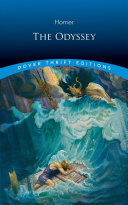
The Odyssey

The Odyssey

BoingyBooks
The Odyssey by Homer (c. 8th century BC) The original adventure story. Odysseus' ten-year journey home from the Trojan War — battling the Cyclops, resisting the Sirens, navigating between Scylla and Charybdis, and returning to faithful Penelope. The foundation of all Western literature. Historical...
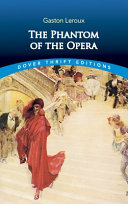
The Phantom of the Opera

The Phantom of the Opera

BoingyBooks
The Phantom of the Opera by Gaston Leroux (1910) The masked genius haunting the Paris Opera House, his obsessive love for the soprano Christine Daaé, the underground lake, the chandelier crash — the Gothic romance that spawned the longest-running Broadway musical in history. Historical Significanc...
The Phantom Rickshaw and Other Tales

The Phantom Rickshaw and Other Tales

BoingyBooks
The Phantom Rickshaw and Other Tales by Rudyard Kipling (1888) Ghost stories set in British India — a dead woman's spectral rickshaw haunts her faithless lover through the streets of Simla, a man is driven mad by his doppelgänger, and a child builds a terrifying "city of the dead." Kipling's early ...
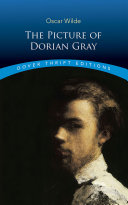
The Picture of Dorian Gray

The Picture of Dorian Gray

BoingyBooks
The Picture of Dorian Gray by Oscar Wilde (1890) Oscar Wilde's only novel — a Gothic masterpiece about beauty, corruption, and the price of eternal youth. A young man's portrait ages while he remains forever beautiful. Historical Significance: First published in the July 1890 issue of Lippincott's...
The Pilgrim's Progress

The Pilgrim's Progress

BoingyBooks
The Pilgrim's Progress from This World to That Which Is to Come by John Bunyan (1678) Christian, burdened by sin, flees the City of Destruction for the Celestial City, encountering the Slough of Despond, Vanity Fair, Giant Despair, and the Delectable Mountains. The most widely read English book aft...
The Portrait of a Lady

The Portrait of a Lady

BoingyBooks
The Portrait of a Lady by Henry James (1881) Isabel Archer, a spirited young American woman, inherits a fortune and travels to Europe, where her independence and idealism are tested by the manipulations of the sinister Gilbert Osmond. James' masterpiece of psychological realism. Historical Signifi...
The Prince

The Prince

BoingyBooks
The Prince by Niccolò Machiavelli (1532) "It is better to be feared than loved, if you cannot be both." The most notorious political treatise ever written. Machiavelli's cold-eyed manual for acquiring and maintaining political power shocked the world and made his name a synonym for cunning. Histor...
The Prince and the Pauper

The Prince and the Pauper

BoingyBooks
The Prince and the Pauper by Mark Twain (1881) Young Prince Edward VI and pauper Tom Canty, identical in appearance, swap places — the prince discovers the cruelty of poverty while the pauper struggles with the burden of power. Twain's first historical novel. Historical Significance: Set in 1547 E...
The Princess and the Goblin

The Princess and the Goblin

BoingyBooks
The Princess and the Goblin by George MacDonald (1872) Princess Irene discovers a mysterious great-great-grandmother spinning in a tower, while miner boy Curdie uncovers a goblin plot to invade the castle from below. The fairy tale that inspired Tolkien, Lewis, and modern fantasy. Historical Signi...
The Prisoner of Zenda

The Prisoner of Zenda

BoingyBooks
The Prisoner of Zenda by Anthony Hope (1894) An English gentleman on holiday in the fictional kingdom of Ruritania discovers he is the exact double of the king — and must impersonate him to save the throne. The original swashbuckling adventure romance. Historical Significance: Anthony Hope wrote T...
The Problems of Philosophy

The Problems of Philosophy

BoingyBooks
The Problems of Philosophy by Bertrand Russell (1912) The best introduction to philosophy ever written. In just 100 pages, Russell — Nobel laureate, mathematician, and public intellectual — explains what philosophy is, why it matters, and how it trains the mind to think clearly. Historical Signifi...
The Prophet

The Prophet

BoingyBooks
The Prophet by Kahlil Gibran (1923) "Your children are not your children. They are the sons and daughters of Life's longing for itself." Twenty-six poetic essays on love, marriage, children, work, joy, sorrow, freedom, and death — spoken by a prophet departing his adopted city. Historical Signific...
The Rainbow

The Rainbow

BoingyBooks
The Rainbow by D.H. Lawrence (1915) Three generations of the Brangwen family in the English Midlands, from the agricultural rhythms of the 1840s to the industrial upheaval of the early 1900s. Lawrence's most lyrical novel — and the one that got him prosecuted for obscenity. Historical Significance...
The Raven and Other Poems

The Raven and Other Poems

BoingyBooks
The Raven and Other Poems by Edgar Allan Poe (1845) "Once upon a midnight dreary, while I pondered, weak and weary..." The most famous American poem, along with "Annabel Lee," "The Bells," "Lenore," "To Helen," and other haunting verses. Historical Significance: "The Raven" was published on Januar...
The Red and the Black

The Red and the Black

BoingyBooks
The Red and the Black by Stendhal (1830) Julien Sorel, a brilliant, ambitious carpenter's son in Restoration France, uses seduction and hypocrisy to climb the social ladder — until his passions destroy him. The first great psychological novel of the 19th century. Historical Significance: Stendhal ...
The Republic

The Republic

BoingyBooks
The Republic by Plato (c. 380 BC) The foundational text of Western philosophy. Socrates and his companions debate justice, the ideal state, the nature of the soul, and the famous Allegory of the Cave — where prisoners mistake shadows for reality. Historical Significance: Written around 380 BC as a...
The Return of Sherlock Holmes

The Return of Sherlock Holmes

BoingyBooks
The Return of Sherlock Holmes by Arthur Conan Doyle (1905) Holmes is alive! Thirteen stories marking the detective's triumphant return from the dead after "The Final Problem." Including "The Adventure of the Empty House," "The Adventure of the Dancing Men," and "The Adventure of the Six Napoleons."...
The Return of Tarzan

The Return of Tarzan

BoingyBooks
The Return of Tarzan by Edgar Rice Burroughs (1913) Tarzan, rejected by Jane, travels to Paris and North Africa as a secret agent before returning to the jungles of Africa, where he discovers the lost city of Opar and its treasure. The sequel that expanded Tarzan from a single story into an epic sa...
The Return of the Native

The Return of the Native

BoingyBooks
The Return of the Native by Thomas Hardy (1878) On the brooding Egdon Heath, Clym Yeobright returns from Paris, the beautiful Eustacia Vye longs to escape, and the reddleman Diggory Venn watches over all. A tragedy of thwarted desires set against Hardy's most powerful landscape. Historical Signifi...
The Richest Man in Babylon

The Richest Man in Babylon

BoingyBooks
The Richest Man in Babylon by George S. Clason (1926) "A part of all you earn is yours to keep." Financial wisdom through parables set in ancient Babylon. Arkad, the richest man in Babylon, teaches the "Seven Cures for a Lean Purse" — timeless principles of saving, investing, and building wealth. ...
The Riddle of the Sands

The Riddle of the Sands

BoingyBooks
The Riddle of the Sands by Erskine Childers (1903) Two young Englishmen on a sailing holiday in the Frisian Islands stumble upon a German plot to invade England. The first modern spy novel — written as a warning that became terrifyingly prophetic. Historical Significance: Erskine Childers, an Angl...
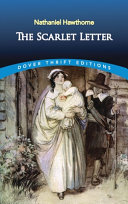
The Scarlet Letter

The Scarlet Letter

BoingyBooks
The Scarlet Letter by Nathaniel Hawthorne (1850) Hester Prynne, forced to wear a scarlet "A" for adultery in Puritan Boston, endures public shame with quiet dignity while the father of her child hides in plain sight. A searing examination of sin, guilt, hypocrisy, and the American conscience. Hist...
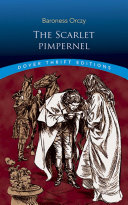
The Scarlet Pimpernel

The Scarlet Pimpernel

BoingyBooks
The Scarlet Pimpernel by Baroness Orczy (1905) During the French Revolution's Reign of Terror, a mysterious English nobleman secretly rescues French aristocrats from the guillotine, leaving only a small red flower as his calling card. The original secret-identity superhero. Historical Significance...
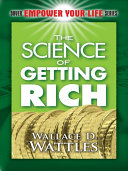
The Science of Getting Rich

The Science of Getting Rich

BoingyBooks
The Science of Getting Rich by Wallace D. Wattles (1910) A practical guide to wealth creation through "thinking in a Certain Way." Wattles argues that getting rich is an exact science governed by natural laws, and that anyone can learn to apply these laws. Historical Significance: Wallace Wattles,...
The Second Jungle Book

The Second Jungle Book

BoingyBooks
The Second Jungle Book by Rudyard Kipling (1895) The continuation of Mowgli's story plus five standalone tales of animal life. Includes "Letting in the Jungle," where Mowgli destroys the village that rejected him, and "The Spring Running," his bittersweet farewell to the jungle. Historical Signifi...
The Secret Agent

The Secret Agent

BoingyBooks
The Secret Agent by Joseph Conrad (1907) A seedy London shop owner who is secretly an anarchist agent provocateur is ordered to bomb the Greenwich Observatory. Conrad's darkest novel — a proto-thriller about terrorism, surveillance, and the corruption that links governments and the criminals they f...
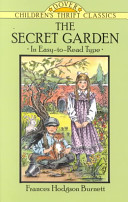
The Secret Garden

The Secret Garden

BoingyBooks
The Secret Garden by Frances Hodgson Burnett (1911) Spoiled, unloved Mary Lennox is sent to live at her uncle's gloomy Yorkshire manor, where she discovers a hidden, neglected garden — and in nurturing it back to life, heals herself and everyone around her. One of the most beloved children's novels...
The Sign of the Four

The Sign of the Four

BoingyBooks
The Sign of the Four by Arthur Conan Doyle (1890) The second Sherlock Holmes novel. A young woman seeks Holmes' help after receiving mysterious pearls annually for six years following her father's disappearance. The case leads to a stolen Indian treasure, a one-legged convict, and a dramatic Thames...
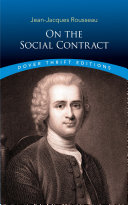
The Social Contract

The Social Contract

BoingyBooks
The Social Contract by Jean-Jacques Rousseau (1762) "Man is born free, and everywhere he is in chains." Rousseau's radical argument that legitimate political authority must rest on the "general will" of the people — the philosophical dynamite that helped ignite the French Revolution. Historical Si...
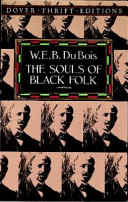
The Souls of Black Folk

The Souls of Black Folk

BoingyBooks
The Souls of Black Folk by W.E.B. Du Bois (1903) "The problem of the twentieth century is the problem of the color-line." A groundbreaking collection of essays on race, identity, and the African American experience that changed the course of American history. Historical Significance: W.E.B. Du Boi...
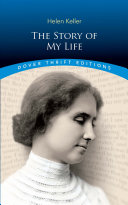
The Story of My Life

The Story of My Life

BoingyBooks
The Story of My Life by Helen Keller (1903) The autobiography of the deaf-blind woman who learned to communicate, graduated from Radcliffe College, and became one of the most inspirational figures in American history. Written when Keller was just 22 years old. Historical Significance: Helen Keller...
The Swiss Family Robinson

The Swiss Family Robinson

BoingyBooks
The Swiss Family Robinson by Johann David Wyss (1812) A Swiss family is shipwrecked on a tropical island and builds an elaborate civilization — a treehouse, farm, workshop, and menagerie — using ingenuity and the convenient contents of the wreck. The ultimate family survival fantasy. Historical Si...
The Tempest

The Tempest

BoingyBooks
The Tempest by William Shakespeare (c. 1611) "We are such stuff as dreams are made on, and our little life is rounded with a sleep." Prospero, the exiled Duke of Milan, uses magic to shipwreck his enemies on his enchanted island, where the spirit Ariel and the monster Caliban serve him. Historical...
The Tenant of Wildfell Hall

The Tenant of Wildfell Hall

BoingyBooks
The Tenant of Wildfell Hall by Anne Brontë (1848) A mysterious young woman arrives at a ruined mansion with her small son, sparking gossip. Her diary reveals a harrowing story of marriage to a dissolute husband and her daring escape. The most radical of the Brontë novels. Historical Significance: ...
The Thirty-Nine Steps

The Thirty-Nine Steps

BoingyBooks
The Thirty-Nine Steps by John Buchan (1915) Richard Hannay, a bored mining engineer, stumbles into an international espionage conspiracy and must flee across the Scottish Highlands with both the police and enemy agents on his trail. The novel that invented the modern spy thriller. Historical Signi...
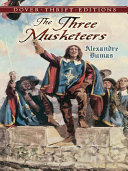
The Three Musketeers

The Three Musketeers

BoingyBooks
The Three Musketeers by Alexandre Dumas (1844) "All for one and one for all!" Young d'Artagnan travels to Paris to join the King's Musketeers and befriends Athos, Porthos, and Aramis in this swashbuckling adventure of swordplay, intrigue, and romance in 17th-century France. Historical Significance...
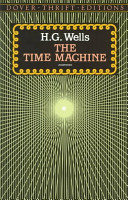
The Time Machine

The Time Machine

BoingyBooks
The Time Machine by H.G. Wells (1895) The novella that invented time travel as a science fiction concept. A Victorian scientist journeys to the year 802,701 AD and discovers humanity has evolved into two species: the childlike Eloi and the predatory Morlocks. Historical Significance: H.G. Wells pu...
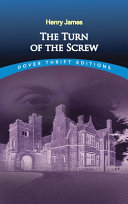
The Turn of the Screw

The Turn of the Screw

BoingyBooks
The Turn of the Screw by Henry James (1898) A governess at a remote English estate becomes convinced that two ghostly figures are corrupting the children in her care. But are the ghosts real, or is she descending into madness? The most brilliantly ambiguous ghost story ever written. Historical Sig...
The Voyage Out

The Voyage Out

BoingyBooks
The Voyage Out by Virginia Woolf (1915) Rachel Vinrace, a sheltered young Englishwoman, sails to South America, falls in love, and confronts the mysteries of adulthood, desire, and death. Woolf's first novel — already showing the brilliance that would transform English fiction. Historical Signific...
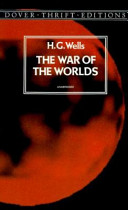
The War of the Worlds

The War of the Worlds

BoingyBooks
The War of the Worlds by H.G. Wells (1898) The first and greatest alien invasion novel. Martian war machines stride across the English countryside on metal legs, annihilating everything in their path with heat rays and poisonous black smoke. Humanity faces extinction. Historical Significance: H.G....
The Warlord of Mars

The Warlord of Mars

BoingyBooks
The Warlord of Mars by Edgar Rice Burroughs (1914) John Carter pursues the villains who have kidnapped his wife Dejah Thoris across the entire planet of Barsoom — from the equatorial seas to the frozen north pole. The climactic third volume of the original Mars trilogy. Historical Significance: Se...
The Waste Land

The Waste Land

BoingyBooks
The Waste Land by T.S. Eliot (1922) "April is the cruelest month." The most important poem of the 20th century — a fragmented, allusive, devastating portrait of post-World War I civilization in ruins. 434 lines that changed literature forever. Historical Significance: T.S. Eliot, a 33-year-old Ame...
The Water-Babies

The Water-Babies

BoingyBooks
The Water-Babies, A Fairy Tale for a Land Baby by Charles Kingsley (1863) Tom, a young chimney sweep, drowns and is transformed into a water-baby — a tiny aquatic creature who embarks on a journey of moral education through rivers and seas. A strange, beautiful, and deeply Victorian fairy tale. Hi...
The Wealth of Nations

The Wealth of Nations

BoingyBooks
An Inquiry into the Nature and Causes of the Wealth of Nations by Adam Smith (1776) The invisible hand, the division of labor, free markets, and the self-interest that drives economic prosperity. The book that invented modern economics and shaped the modern world. Historical Significance: Adam Smi...
The White Company

The White Company

BoingyBooks
The White Company by Arthur Conan Doyle (1891) A young Saxon monk leaves his abbey and joins Sir Nigel Loring's "White Company" of English longbowmen during the Hundred Years' War. Doyle's personal favorite among all his books — the novel he wished to be remembered for instead of Sherlock Holmes. ...
The Wind in the Willows

The Wind in the Willows

BoingyBooks
The Wind in the Willows by Kenneth Grahame (1908) Mole, Ratty, Badger, and the irrepressible Toad of Toad Hall — a gentle pastoral tale of friendship, adventure, and the English countryside. One of the most cherished children's books in the English language. Historical Significance: Kenneth Graham...
The Wings of the Dove

The Wings of the Dove

BoingyBooks
The Wings of the Dove by Henry James (1902) Kate Croy plots to have her impoverished lover Merton Densher court Milly Theale, a wealthy American heiress who is dying, so they can inherit her fortune. But genuine love complicates the scheme. Historical Significance: Published in 1902 as part of Jam...
The Wonderful Wizard of Oz

The Wonderful Wizard of Oz

BoingyBooks
The Wonderful Wizard of Oz by L. Frank Baum (1900) Dorothy, Toto, the Scarecrow, the Tin Woodman, the Cowardly Lion, and the Emerald City — the first great American fairy tale, written to be distinctly American rather than European in spirit. Historical Significance: L. Frank Baum published The Wo...
The Works of Edgar Allan Poe, Volume 1

The Works of Edgar Allan Poe, Volume 1

BoingyBooks
The Works of Edgar Allan Poe, Volume 1 — Tales of Mystery and Imagination The complete tales of the master of horror: "The Fall of the House of Usher," "The Masque of the Red Death," "The Pit and the Pendulum," "The Tell-Tale Heart," "The Cask of Amontillado," "The Black Cat," and more. Historical...
The Yellow Wallpaper

The Yellow Wallpaper

BoingyBooks
The Yellow Wallpaper by Charlotte Perkins Gilman (1892) A woman confined to a room for a "rest cure" becomes obsessed with the pattern of the yellow wallpaper — and the woman she believes is trapped behind it. A shattering short story about women's mental health and patriarchal medicine. Historica...
Through the Looking-Glass

Through the Looking-Glass

BoingyBooks
Through the Looking-Glass, and What Alice Found There by Lewis Carroll (1871) Alice steps through a mirror into a world where everything is reversed — a giant chess game where she must become a queen. Featuring Tweedledee and Tweedledum, the Jabberwocky, Humpty Dumpty, and the Red Queen's race wher...
Thus Spoke Zarathustra

Thus Spoke Zarathustra

BoingyBooks
Thus Spoke Zarathustra by Friedrich Nietzsche (1883-1885) "God is dead." The prophet Zarathustra descends from his mountain to teach humanity about the Übermensch (Superman), the eternal recurrence, and the will to power. Nietzsche's most ambitious and poetic work — part philosophy, part prophecy, ...
Treasure Island

Treasure Island

BoingyBooks
Treasure Island by Robert Louis Stevenson (1883) The ultimate pirate adventure. Young Jim Hawkins, Long John Silver, buried treasure, the Black Spot, and "fifteen men on a dead man's chest" — Stevenson created every pirate trope we know. Historical Significance: Stevenson began the story in the su...
Twenty Thousand Leagues Under the Seas

Twenty Thousand Leagues Under the Seas

BoingyBooks
Twenty Thousand Leagues Under the Seas by Jules Verne (1870) Captain Nemo and the submarine Nautilus — a visionary adventure beneath the world's oceans, written 90 years before nuclear submarines made Verne's fiction reality. Historical Significance: Verne published Vingt mille lieues sous les mer...
Ulysses

Ulysses

BoingyBooks
Ulysses by James Joyce (1922) One day in Dublin — June 16, 1904. Leopold Bloom, an advertising canvasser, wanders through Dublin in a modern retelling of Homer's Odyssey. The novel that changed literature forever and was banned as obscene for over a decade. Historical Significance: Joyce spent sev...
Up from Slavery

Up from Slavery

BoingyBooks
Up from Slavery by Booker T. Washington (1901) The autobiography of a man born into slavery who founded the Tuskegee Institute and became the most powerful African American leader of his era — and the most controversial, as W.E.B. Du Bois challenged his accommodationist approach. Historical Signif...
Utopia

Utopia

BoingyBooks
Utopia by Thomas More (1516) The book that gave us the word "utopia" — literally "no place." More describes an ideal island society with communal property, religious tolerance, and a six-hour workday. But is he serious, or is it all an elaborate joke? Historical Significance: Sir Thomas More, Lord...
Vanity Fair

Vanity Fair

BoingyBooks
Vanity Fair: A Novel Without a Hero by William Makepeace Thackeray (1848) The contrasting fortunes of sweet, passive Amelia Sedley and brilliant, ruthless Becky Sharp as they navigate Regency-era English society. Thackeray's satirical masterpiece — "a novel without a hero" because everyone is flawe...
Walden

Walden

BoingyBooks
Walden; or, Life in the Woods by Henry David Thoreau (1854) "I went to the woods because I wished to live deliberately." Thoreau's account of two years spent in a cabin at Walden Pond, Massachusetts — the foundational text of simple living, self-reliance, and environmental consciousness. Historica...
War and Peace

War and Peace

BoingyBooks
War and Peace by Leo Tolstoy (1869) The Russian epic. Five aristocratic families navigate love, loss, and destiny against Napoleon's 1812 invasion of Russia. At 587,287 words, it is one of the longest novels ever written — and many consider it the greatest. Historical Significance: Tolstoy publish...
White Fang

White Fang

BoingyBooks
White Fang by Jack London (1906) The companion novel to The Call of the Wild, told in reverse: a wild wolf-dog hybrid is gradually domesticated. Where Buck journeys from civilization to wilderness, White Fang journeys from wilderness to civilization. London's meditation on nature versus nurture. H...
Women in Love

Women in Love

BoingyBooks
Women in Love by D.H. Lawrence (1920) Two sisters — Ursula and Gudrun Brangwen — pursue relationships with two friends — Rupert Birkin and Gerald Crich — through a radical exploration of love, power, sexuality, and modern industrial civilization. Historical Significance: Lawrence completed Women i...
Wuthering Heights

Wuthering Heights

BoingyBooks
Wuthering Heights by Emily Brontë (1847) A dark, passionate, and utterly unique tale of doomed love on the Yorkshire moors. Heathcliff and Catherine Earnshaw's destructive obsession spans generations and defies every convention of Victorian fiction. Historical Significance: Emily Brontë published ...
Mother Goose Nursery Rhymes: Volume 1

Mother Goose Nursery Rhymes: Volume 1

BoingyBooks
Ten beloved nursery rhymes from The Real Mother Goose (1916), illustrated by Blanche Fisher Wright. This interactive read-along edition features the original public domain illustrations paired with word-by-word bouncing text. Rhymes in this volume: 1. Little Bo-Peep 2. Little Boy Blue 3. Rain 4. Th...
Mother Goose Nursery Rhymes: Volume 2

Mother Goose Nursery Rhymes: Volume 2

BoingyBooks
Ten beloved nursery rhymes from The Real Mother Goose (1916), illustrated by Blanche Fisher Wright. This interactive read-along edition features the original public domain illustrations paired with word-by-word bouncing text. Rhymes in this volume: 1. The Old Woman Under A Hill 2. Tweedle-Dum And T...
Mother Goose Nursery Rhymes: Volume 3

Mother Goose Nursery Rhymes: Volume 3

BoingyBooks
Ten beloved nursery rhymes from The Real Mother Goose (1916), illustrated by Blanche Fisher Wright. This interactive read-along edition features the original public domain illustrations paired with word-by-word bouncing text. Rhymes in this volume: 1. Going To St. Ives 2. Thirty Days Hath September...
Mother Goose Nursery Rhymes: Volume 4

Mother Goose Nursery Rhymes: Volume 4

BoingyBooks
Ten beloved nursery rhymes from The Real Mother Goose (1916), illustrated by Blanche Fisher Wright. This interactive read-along edition features the original public domain illustrations paired with word-by-word bouncing text. Rhymes in this volume: 1. Here Goes My Lord 2. The Clever Hen 3. Two Bird...
Mother Goose Nursery Rhymes: Volume 5

Mother Goose Nursery Rhymes: Volume 5

BoingyBooks
Ten beloved nursery rhymes from The Real Mother Goose (1916), illustrated by Blanche Fisher Wright. This interactive read-along edition features the original public domain illustrations paired with word-by-word bouncing text. Rhymes in this volume: 1. Burnie Bee 2. Three Wise Men Of Gotham 3. The H...
Mother Goose Nursery Rhymes: Volume 6

Mother Goose Nursery Rhymes: Volume 6

BoingyBooks
Ten beloved nursery rhymes from The Real Mother Goose (1916), illustrated by Blanche Fisher Wright. This interactive read-along edition features the original public domain illustrations paired with word-by-word bouncing text. Rhymes in this volume: 1. Elizabeth 2. Just Like Me 3. Play Days 4. Heigh...

Stay Updated

Get notified when BoingyBooks Classics adds new books.

No spam, ever. Unsubscribe anytime.

Author Pages by BooksAndGuidesPro