
Technical Writing Course vs. Book: The Fastest Way to Learn

If you're aiming to break into the field of technical writing, you might be wondering whether a technical writing course or a comprehensive book is the fastest path to mastering the necessary skills. Both options have their merits, and the choice will largely depend on your learning style, budget, and career goals. Whether you prefer structured coursework or the flexibility of self-study, understanding the advantages of each can help you make an informed decision.

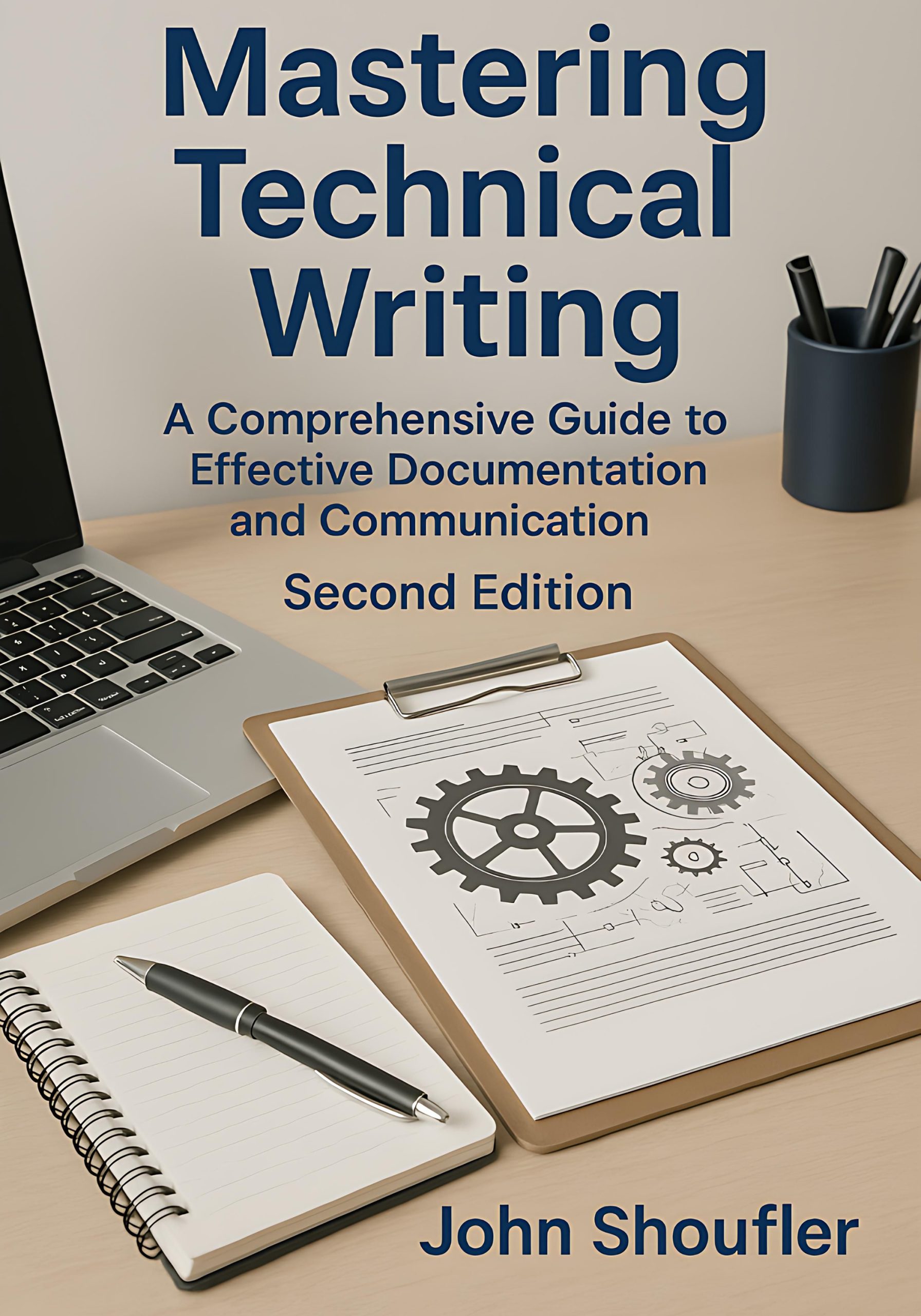
Mastering Technical Writing (2nd Edition) book cover

Go from zero to hireable technical writer

Mastering Technical Writing (2nd Edition) by John Shoufler is a complete, beginner-to-advanced guide — with ready-to-use templates, checklists, and hands-on exercises in every chapter. Learn the craft, build a portfolio, and land the job.

Get the book on Amazon »Read the full review

The Benefits of a Technical Writing Course

Enrolling in a technical writing course can offer a structured learning environment that many find beneficial. Courses often provide a clear curriculum and access to experienced instructors who can offer immediate feedback. This can be particularly helpful if you thrive in a classroom setting or need guidance to stay on track. Courses may cover a wide range of topics, from understanding your audience to mastering document design, all within a set timeframe. However, it's crucial to research and choose a course that fits your schedule, budget, and specific learning objectives.

Advantages of Self-Studying with a Book

Opting for a book like 'Mastering Technical Writing (2nd Edition)' by John Shoufler allows for a flexible, self-paced learning experience. Books are often more cost-effective than courses and can be revisited multiple times as your understanding deepens. This particular book provides a beginner-to-advanced guide complete with templates, checklists, and exercises that can serve as a practical resource throughout your career. If you are self-motivated and prefer to learn at your own pace, this option might be well-suited for you.

Combining Both Approaches for Maximum Benefit

For many, the ideal learning path might be a combination of both a technical writing course and a comprehensive guidebook. Courses can provide the structured foundation and immediate feedback that books can't offer, while books can serve as an invaluable reference tool long after the course is over. By integrating both methods, you can reinforce your learning and have a resource to turn to whenever you encounter challenges on the job.

Key Topics Covered in Courses and Books

Whether you choose a course or a book, certain key topics are essential for mastering technical writing. These typically include audience analysis, writing clear and concise instructions, understanding document design and layout, and using tools like style guides. Courses might also include modules on specific software tools, whereas books can offer more detailed exercises and templates to practice these skills. Make sure the resource you choose covers these fundamental areas to get the most out of your learning experience.

Budget Considerations

When deciding between a course and a book, budget is often a significant factor. Online courses can vary greatly in price, ranging from affordable community college classes to more expensive university programs or professional workshops. In contrast, a book like 'Mastering Technical Writing (2nd Edition)' offers a more affordable entry point into the field. Consider what you are willing to invest and what you expect to gain from the investment before making a decision.

Time Commitment

Your available time can also influence your choice. Courses usually have set schedules and deadlines, which can be motivating if you need a structured timeline. On the other hand, a book allows you to study at your own pace, which can be ideal if you have variable availability or prefer to learn at night or during weekends. Understanding your personal time constraints can help you choose the most effective learning method.

Assessing Your Learning Style

Finally, consider your personal learning style. Do you learn better through interactive sessions and immediate feedback, or are you more effective when you have the freedom to explore topics independently? Courses often provide a collaborative environment with opportunities for discussion and peer feedback. In contrast, books allow for in-depth exploration and reflection, enabling you to engage with the material on your own terms. Your personal preferences will play a crucial role in determining the most effective learning path for you.

Frequently Asked Questions

What should I look for in a technical writing course?

Look for a course that offers a comprehensive curriculum covering key topics like audience analysis, document design, and writing clear instructions. Check for qualified instructors and opportunities for feedback.

How can a book help me learn technical writing?

A book can provide a flexible, self-paced learning experience with detailed explanations, templates, and exercises. It serves as a lasting resource for reference throughout your career.

Is it necessary to have a degree to become a technical writer?

While a degree in technical writing or a related field can be beneficial, many technical writers succeed without one by gaining experience, building a strong portfolio, and continuing to learn through books and courses.

How long does it typically take to complete a technical writing course?

Course lengths can vary from a few weeks to several months, depending on the depth of the curriculum and the time commitment required. Always check the course outline and duration before enrolling.

Can I transition into technical writing from another career?

Yes, many technical writers come from diverse backgrounds. Skills like clear communication, attention to detail, and familiarity with technical subjects can help in making a successful transition.

Mastering Technical Writing (2nd Edition) book cover

Go from zero to hireable technical writer

Mastering Technical Writing (2nd Edition) by John Shoufler is a complete, beginner-to-advanced guide — with ready-to-use templates, checklists, and hands-on exercises in every chapter. Learn the craft, build a portfolio, and land the job.

Get the book on Amazon »Read the full review

Technical Writing Examples: 12 Real Samples to Learn From

Technical writing is an essential skill in today's technology-driven world. Whether you're documenting software, creating user manuals, or devising process guides, understanding the nuances of effective technical communication can significantly impact your career. This article presents 12 real-world technical writing examples that can help you grasp the diversity and depth of the field. These examples serve as practical references for both beginners and seasoned professionals looking to refine their craft.

Mastering Technical Writing (2nd Edition) book cover

Go from zero to hireable technical writer

Mastering Technical Writing (2nd Edition) by John Shoufler is a complete, beginner-to-advanced guide — with ready-to-use templates, checklists, and hands-on exercises in every chapter. Learn the craft, build a portfolio, and land the job.

Get the book on Amazon »Read the full review

Software Documentation

Software documentation is a cornerstone of technical writing. It includes user guides, release notes, and API documentation. For instance, a user guide for a photo editing software would provide step-by-step instructions on how to use the software's features. Pay attention to clarity and conciseness—users should be able to resolve their queries without external help. To deepen your understanding, consider 'Mastering Technical Writing (2nd Edition)' by John Shoufler, which provides structured guidance on creating effective software documentation.

User Manuals

User manuals are detailed guides that help users understand and operate products. For example, a user manual for a home appliance, like a washing machine, would include sections on installation, operation, maintenance, and troubleshooting. Effective user manuals use simple language and visual aids like diagrams and images to enhance comprehension. They are typically organized in a logical sequence that mirrors the user experience, making it easy for users to follow.

Process Documentation

Process documentation outlines the steps involved in a particular procedure. A common example is a company’s internal process guide for onboarding new employees. This document might detail each step from the initial HR interview to the assignment of workstations. The goal is to ensure consistency and efficiency across the organization. Clear process documentation minimizes errors and reduces the training time for new staff.

Technical Reports

Technical reports are used to convey scientific or technical information to a specific audience. A typical example is a research report explaining the results of a new technology trial. These reports include sections like objectives, methodology, results, and conclusions, presented in a structured format. Accuracy and detail are crucial, as stakeholders rely on these reports to make informed decisions.

White Papers

White papers are authoritative reports that present a problem and provide a solution. They are often used in the fields of technology and business to influence decision-makers. For instance, a technology company might produce a white paper to outline the benefits of adopting a new cybersecurity solution. White papers require thorough research and must strike a balance between technical detail and persuasive argumentation.

Case Studies

Case studies tell the story of how a product or service helped solve a problem for a client. An example could be a case study on how a project management tool improved the efficiency of a construction company. These documents often include a description of the challenge, the solution implemented, and the results achieved. They are used as marketing tools to demonstrate the effectiveness of a product or service.

Instructional Design

Instructional design involves creating educational resources such as eLearning courses, training manuals, and instructional videos. For example, an online course for learning a new programming language would include modules, quizzes, and interactive exercises. The focus is on facilitating learning through clear, engaging, and well-organized content. Instructional designers often collaborate with subject matter experts to ensure accuracy and relevance.

Frequently Asked Questions

What is technical writing?

Technical writing is the practice of documenting complex information in a clear and concise way, often to help users understand and use technology, products, or services.

How can I improve my technical writing skills?

To improve your technical writing skills, practice writing regularly, seek feedback from peers, study real-world examples, and consider using resources like 'Mastering Technical Writing (2nd Edition)' by John Shoufler for structured learning.

What tools do technical writers use?

Technical writers commonly use tools such as Microsoft Word, Adobe Acrobat, and specialized software like MadCap Flare or Adobe FrameMaker for creating structured documents.

What is the role of a technical writer?

The role of a technical writer is to produce clear and user-friendly documentation that helps users understand and use a product, process, or technology effectively.

Are visuals important in technical writing?

Yes, visuals like diagrams, screenshots, and flowcharts are important in technical writing as they help to clarify complex information and enhance user understanding.

Mastering Technical Writing (2nd Edition) book cover

Go from zero to hireable technical writer

Mastering Technical Writing (2nd Edition) by John Shoufler is a complete, beginner-to-advanced guide — with ready-to-use templates, checklists, and hands-on exercises in every chapter. Learn the craft, build a portfolio, and land the job.

Get the book on Amazon »Read the full review

Technical Writer Salary: What You Can Actually Earn

Embarking on a career as a technical writer can be both rewarding and lucrative. However, like any profession, understanding the potential salary range is crucial for setting realistic expectations and making informed career decisions. This article explores what you can actually earn as a technical writer, examining factors that influence salary, such as experience, industry, and location.

Mastering Technical Writing (2nd Edition) book cover

Go from zero to hireable technical writer

Mastering Technical Writing (2nd Edition) by John Shoufler is a complete, beginner-to-advanced guide — with ready-to-use templates, checklists, and hands-on exercises in every chapter. Learn the craft, build a portfolio, and land the job.

Get the book on Amazon »Read the full review

Understanding the Technical Writer Salary Range

The salary of a technical writer can vary significantly based on a number of factors. Typically, entry-level technical writers might expect to earn between $45,000 and $60,000 annually. As you gain experience, that range can increase to between $60,000 and $85,000. Seasoned professionals with specialized skills or those in managerial roles may see salaries stretching from $85,000 to over $100,000. To ensure you're on track with these figures, checking current job listings and salary surveys can provide a more tailored insight.

Factors Influencing Technical Writer Salaries

Several factors can influence how much a technical writer earns. Experience level is a primary determinant; naturally, more experienced writers command higher salaries. Industry also plays a significant role, with technology, pharmaceuticals, and finance often offering higher pay than non-profit or educational sectors. Location is another key factor; salaries in major metropolitan areas tend to be higher to compensate for the cost of living. Additionally, possessing certifications or advanced degrees can enhance your earning potential, as can skills in demand, like API documentation or UX writing.

The Impact of Location on Salaries

Where you work can significantly impact your salary as a technical writer. For instance, technical writers in tech hubs like San Francisco, New York, or Seattle often earn more than those in smaller cities or rural areas. This discrepancy often reflects the higher cost of living in these locations. Remote work opportunities can also influence salary, as they may allow you to live in a lower-cost area while earning a higher salary typical of a larger market. Always consider cost of living adjustments when evaluating job offers.

Specialized Skills and Their Effect on Earnings

Technical writing is a broad field, and possessing specialized skills can significantly boost your salary prospects. Writers skilled in API documentation, software documentation, or regulatory writing in industries like healthcare or finance typically see higher salaries. Furthermore, familiarity with tools such as MadCap Flare, Adobe FrameMaker, or knowledge of content management systems can enhance your marketability and bargaining power. Continuous learning and skill development, as suggested in 'Mastering Technical Writing (2nd Edition)' by John Shoufler, can be a strategic move to increase your earning potential.

Negotiating Your Salary

Negotiating your salary can be daunting, but it's essential to ensure you are compensated fairly. Begin by researching typical salary ranges for your experience level, industry, and location. Be prepared to demonstrate your value through examples of past work or quantifiable achievements. When discussing salary, consider the entire compensation package, including benefits like health insurance, retirement contributions, and professional development opportunities. By being well-prepared and confident, you can effectively negotiate a salary that reflects your skills and experience.

Continuous Learning for Career Advancement

To maintain a competitive edge and improve your salary prospects, embracing continuous learning is vital. Technical writing is an evolving field, and staying updated with the latest tools and methodologies can enhance your career trajectory. Engaging in professional development, attending workshops, or obtaining certifications can provide a significant advantage. Resources like 'Mastering Technical Writing (2nd Edition)' by John Shoufler offer comprehensive guidance to help you advance from beginner to expert, providing the templates, checklists, and exercises necessary for ongoing improvement.

Frequently Asked Questions

What is the average salary for a technical writer?

The average salary for a technical writer can range from $60,000 to $85,000 annually, depending on factors such as experience, industry, and location.

How does experience affect a technical writer's salary?

Experience significantly affects a technical writer's salary. Entry-level positions might start around $45,000 to $60,000, while experienced writers can earn upwards of $85,000.

In which industries do technical writers earn the most?

Technical writers often earn the most in industries such as technology, pharmaceuticals, and finance, where specialized skills are in high demand.

Can technical writers work remotely, and does it affect salary?

Yes, technical writers can often work remotely. While this can provide flexibility, remote positions may offer salaries that reflect the cost of living in the company's location.

What skills can increase a technical writer's salary?

Skills in API documentation, software documentation, and proficiency with tools like MadCap Flare or Adobe FrameMaker can significantly increase a technical writer's salary.

Mastering Technical Writing (2nd Edition) book cover

Go from zero to hireable technical writer

Mastering Technical Writing (2nd Edition) by John Shoufler is a complete, beginner-to-advanced guide — with ready-to-use templates, checklists, and hands-on exercises in every chapter. Learn the craft, build a portfolio, and land the job.

Get the book on Amazon »Read the full review

Standard Operating Procedure (SOP) Examples + Free Template

Standard Operating Procedures (SOPs) are essential for ensuring consistency and quality in any organization. Whether you're new to technical writing or an experienced professional, understanding how to create effective SOPs can significantly enhance your work. In this article, we'll explore standard operating procedure examples and provide you with a practical template to get started.

Mastering Technical Writing (2nd Edition) book cover

Go from zero to hireable technical writer

Mastering Technical Writing (2nd Edition) by John Shoufler is a complete, beginner-to-advanced guide — with ready-to-use templates, checklists, and hands-on exercises in every chapter. Learn the craft, build a portfolio, and land the job.

Get the book on Amazon »Read the full review

What is a Standard Operating Procedure?

A Standard Operating Procedure (SOP) is a set of written instructions that document a routine or repetitive activity followed by an organization. SOPs are crucial for maintaining quality, ensuring compliance, and enhancing efficiency. For instance, in a manufacturing plant, an SOP might detail the steps for operating a particular machine, ensuring that every operator follows the same process to minimize errors and improve safety.

Key Elements of Effective SOPs

An effective SOP should be clear, concise, and easy to follow. Key elements include:
1. **Title and Purpose**: Clearly state the procedure's name and what it aims to achieve.
2. **Scope**: Define the boundaries of the procedure, including when and where it applies.
3. **Responsibilities**: Detail who is responsible for each part of the procedure.
4. **Materials and Equipment**: List any tools or materials needed.
5. **Step-by-Step Instructions**: Provide a detailed, chronological list of steps.
6. **Safety Precautions**: Include any safety warnings or instructions.
7. **Review and Approval**: Document who has approved the SOP and any review dates.

Standard Operating Procedure Examples

Here are some typical examples of SOPs across different industries:
– **Healthcare**: An SOP for sterilizing surgical instruments might include steps for cleaning, inspection, and storage to ensure compliance with health regulations.
– **IT Support**: An SOP for resetting a user password may involve verifying identity, accessing the user management system, and documenting the change.
– **Food Service**: An SOP for preparing a dish in a restaurant could standardize ingredient quantities, cooking times, and presentation to maintain consistency.
– **Manufacturing**: An SOP for quality control inspections might outline inspection criteria, documentation procedures, and actions for non-compliance.

Creating Your SOP Template

Creating an SOP template is a foundational step for developing consistent procedures. A good template includes:
– **Header**: Title, document ID, and revision date.
– **Purpose and Scope**: Briefly state what the SOP covers and its intended outcome.
– **Definitions**: Define any technical terms or acronyms.
– **Responsibilities**: Clearly outline who is responsible for each task.
– **Procedure Steps**: Numbered list of steps with detailed descriptions.
– **References**: Cite any external documents or standards referenced in the SOP.
– **Approval and Revision History**: Log of who approved the SOP and any changes made over time.

A comprehensive guide like 'Mastering Technical Writing (2nd Edition)' by John Shoufler can provide additional insights and templates to refine your SOPs.

Tips for Writing Clear and Concise SOPs

Effective SOP writing is all about clarity and precision. Here are some tips:
– **Use Simple Language**: Avoid jargon and technical terms unless necessary. When using them, provide clear definitions.
– **Be Specific**: Use precise language to eliminate ambiguity. For instance, instead of saying 'regularly check the machine,' specify 'check the machine every Monday at 9 AM.'
– **Incorporate Visuals**: Diagrams, flowcharts, or photographs can make complex steps easier to understand.
– **Seek Feedback**: Have potential users review the SOP to ensure clarity and completeness. Their feedback can highlight areas that need improvement.
– **Regular Updates**: Revisit SOPs periodically to ensure they are still relevant and accurate, especially after any procedural changes.

Using SOPs to Improve Workplace Efficiency

SOPs can significantly enhance workplace efficiency by providing clear guidelines and reducing the likelihood of errors. They help ensure that tasks are performed consistently, which can improve quality control and compliance with regulations. For example, in a pharmaceutical company, SOPs can reduce variation in drug manufacturing processes, leading to higher quality products and fewer recalls. Additionally, SOPs can be instrumental in training new employees, providing them with a reliable reference to learn job tasks effectively.

Frequently Asked Questions

How often should SOPs be updated?

SOPs should be reviewed and updated at least annually or whenever there are significant changes in processes, technology, or regulations. Regular updates ensure that the procedures remain relevant and effective.

Can SOPs be used in small businesses?

Absolutely. SOPs are beneficial for businesses of all sizes. They help small businesses maintain consistency, improve quality, and ensure compliance with industry standards.

What is the best format for an SOP?

The best format for an SOP depends on the organization's needs and industry standards. Generally, a clear, structured format with sections for purpose, scope, responsibilities, materials, steps, and safety precautions works well.

Why are visuals important in SOPs?

Visuals like diagrams and flowcharts can simplify complex instructions, making them easier to understand and follow. They are especially useful in technical procedures where spatial or sequential understanding is crucial.

How can I ensure my SOP is user-friendly?

To ensure an SOP is user-friendly, write in clear, concise language, organize information logically, use bullet points or numbered lists for steps, and incorporate visuals where appropriate. Gathering user feedback is also vital to identify areas for improvement.

Mastering Technical Writing (2nd Edition) book cover

Go from zero to hireable technical writer

Mastering Technical Writing (2nd Edition) by John Shoufler is a complete, beginner-to-advanced guide — with ready-to-use templates, checklists, and hands-on exercises in every chapter. Learn the craft, build a portfolio, and land the job.

Get the book on Amazon »Read the full review