
Starting a career as a virtual assistant (VA) may seem daunting, especially if you have no prior experience. However, the VA industry is one of the most accessible fields to break into, offering opportunities for those willing to learn and adapt. By understanding the essential skills and steps involved, you can effectively launch your VA career even if you're starting from scratch.
Start & scale your virtual assistant business
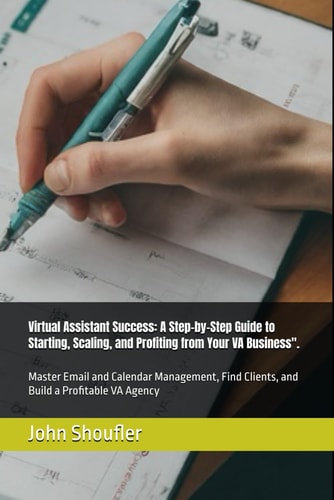
Virtual Assistant Success by John Shoufler is the complete, step-by-step guide — 15 chapters and 300+ pages taking you from your first client to a fully scaled VA agency, with pricing packages, client-finding scripts, automation systems, and a start-to-scale checklist. Everything you need to launch and profit.
Understanding the Role of a Virtual Assistant
A virtual assistant is a professional who provides administrative, technical, or creative support to clients from a remote location. Typical tasks include email management, calendar scheduling, data entry, and social media management. The role is versatile and can be tailored to match your skills and interests. It's crucial to recognize that being a VA doesn't require you to be a master of all tasks but rather to be proficient in specific areas that clients need help with.
Identify Your Transferable Skills
Even if you have no direct experience as a virtual assistant, you likely possess skills that are transferable to this role. For instance, if you've worked in customer service, you already have valuable communication skills. Administrative roles often involve scheduling and organizational tasks, which are also relevant. Start by listing out your previous experiences and identify tasks that overlap with common VA duties.
Acquire Essential Tools and Skills
To succeed as a virtual assistant with no experience, you need to familiarize yourself with tools commonly used in the industry. These include email clients like Gmail, calendar applications like Google Calendar, and project management tools like Trello or Asana. Additionally, honing skills such as time management, communication, and basic tech-savviness will enhance your ability to deliver high-quality services to clients.
Building Your Online Presence
Creating a professional online presence is crucial for attracting potential clients. Start by setting up a LinkedIn profile that highlights your skills and any relevant experiences. Consider building a simple website or blog to showcase your expertise and services. This platform can serve as a portfolio where you demonstrate your ability to manage tasks, write, or create content, which are valuable skills for a VA.
Finding Your First Clients
Finding your first clients can be challenging but not impossible. Start by networking within your existing contacts—friends, family, or colleagues who might need assistance or know someone who does. Online platforms like Upwork, Freelancer, and Fiverr are also excellent places to find entry-level VA jobs. As you build your reputation, consider joining VA networks or forums where business owners post job opportunities.
Setting Your Rates and Services
When starting, it's important to set competitive yet fair rates. Research typical pricing for VAs in your region and experience level. Consider offering package deals or hourly rates. Clearly define the services you offer, ensuring they align with your skills and client needs. Transparency here can prevent misunderstandings and build trust with clients.
Continuously Improve and Expand Your Services
As you gain experience, aim to expand your skill set and the range of services you offer. This could involve learning new software, improving your writing skills, or even taking specialized courses. 'Virtual Assistant Success: A Step-by-Step Guide to Starting, Scaling, and Profiting from Your VA Business' by John Shoufler is an excellent resource that covers various aspects from beginner to advanced levels, helping you to scale your business effectively.
Frequently Asked Questions
What skills are needed to become a virtual assistant?
Key skills include communication, organization, time management, basic tech proficiency, and familiarity with tools like email clients and project management software.
How can I find clients as a virtual assistant with no experience?
Begin by leveraging your existing network and exploring online freelancing platforms such as Upwork or Fiverr. Networking within VA communities can also help you find opportunities.
How should I set my rates as a beginner virtual assistant?
Research the going rates for entry-level VAs in your area. Consider starting with competitive rates and adjusting as you gain experience and expand your skill set.
Is a formal education required to become a virtual assistant?
No formal education is required. Many successful VAs come from diverse backgrounds and learn through hands-on experience and continuous skill development.
What tools are essential for a virtual assistant?
Essential tools include email clients (like Gmail), calendar tools (like Google Calendar), and project management software (like Trello or Asana). Familiarity with these enhances your efficiency.
How can I improve my virtual assistant business?
Continuously expand your skills and services. 'Virtual Assistant Success' by John Shoufler offers comprehensive guidance on improving and scaling your VA business.
Start & scale your virtual assistant business
Virtual Assistant Success by John Shoufler is the complete, step-by-step guide — 15 chapters and 300+ pages taking you from your first client to a fully scaled VA agency, with pricing packages, client-finding scripts, automation systems, and a start-to-scale checklist. Everything you need to launch and profit.