
One of the most crucial aspects of running a successful virtual assistant business is setting the right rates for your services. Pricing can make or break your business, affecting not only your income but also your ability to attract and retain clients. In this guide, we'll explore how to determine the most competitive and profitable virtual assistant rates for your services.
Start & scale your virtual assistant business
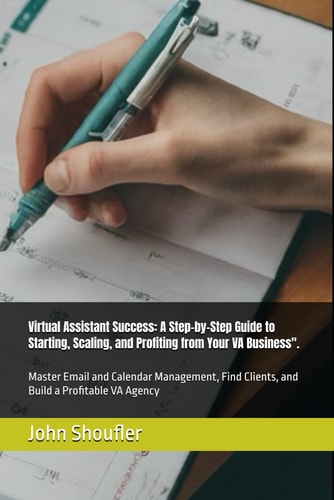
Virtual Assistant Success by John Shoufler is the complete, step-by-step guide — 15 chapters and 300+ pages taking you from your first client to a fully scaled VA agency, with pricing packages, client-finding scripts, automation systems, and a start-to-scale checklist. Everything you need to launch and profit.
Get the book on Amazon »Read the full reviewUnderstanding the Factors Influencing Virtual Assistant Rates
When setting your virtual assistant rates, it's essential to consider several factors that can influence your pricing strategy. These include your level of experience, the complexity of tasks you offer, and the industry you specialize in. For instance, a beginner VA might charge between $15 to $25 per hour, while more experienced VAs specializing in high-demand areas like project management or digital marketing might charge upwards of $50 per hour. Geography can also play a role, as living costs vary significantly between regions. Ensure that your rates align with what clients in your target market are willing to pay and what you need to cover your expenses and desired profit margins.
Hourly vs. Package Pricing
Deciding between hourly and package pricing is a significant step in setting your virtual assistant rates. Hourly rates are straightforward and work well for clients who require flexible services. However, as you gain experience, package pricing can offer more stability and predictability. For example, you might offer a retainer package that includes a set number of hours per month for a flat rate, which can guarantee income while providing clients with clear expectations. Consider your workload, client preferences, and the nature of your services when choosing between these pricing models.
Researching Competitor Rates
Researching what other virtual assistants charge is vital for establishing competitive rates. Start by looking at VA job boards, freelance platforms, and industry forums to gather data on typical rates for similar services. Remember, these figures represent a range, so use them as a benchmark rather than a strict guide. Adjust your rates based on your unique skills, expertise, and the value you provide to clients. It’s crucial to communicate this value to potential clients, demonstrating why your services justify your rates.
Communicating Your Value to Clients
Effectively communicating your value is essential to persuade clients of your rates. Highlight your skills, experience, and any unique selling points that differentiate you from other VAs. Create a portfolio showcasing successful projects, client testimonials, and case studies if applicable. Being transparent about your methods and the benefits clients can expect can establish trust and justify your pricing. Remember, clients are investing in outcomes, so focus on how your services can enhance their business operations.
Adjusting Your Rates Over Time
As your business grows, you may find it necessary to adjust your rates. This could be due to increased demand for your services, enhanced skills, or changes in market conditions. Regularly review your pricing strategy and be prepared to negotiate with existing clients if you decide to raise your rates. Offer them ample notice and highlight any new skills or services that justify the increase. Keeping communication open and honest will help maintain strong client relationships even as your rates evolve.
Leveraging Technology to Enhance Value
Using technology effectively can increase your efficiency and the value you offer, allowing you to justify higher rates. Familiarize yourself with tools that streamline your workflow, such as project management software, communication platforms, and automation tools. By optimizing your processes, you can handle more clients or offer faster turnaround times, which can be a selling point to justify your rates. Additionally, staying updated with industry trends and technologies can make you a more attractive choice for tech-savvy clients.
Frequently Asked Questions
What is a typical hourly rate for a virtual assistant?
Typical hourly rates for virtual assistants can range from $15 to $50, depending on factors like experience, specialization, and geographic location. Beginners might start on the lower end, while seasoned VAs with specialized skills can command higher rates.
How can I determine the right rate for my VA services?
To determine the right rate for your services, consider your experience level, skillset, and the complexity of tasks you offer. Research competitor rates and assess the value you provide to clients. It’s important to cover your expenses and ensure profitability.
Should I offer package pricing instead of hourly rates?
Offering package pricing can provide more stability and predictability compared to hourly rates. It works well for clients needing ongoing services and can simplify billing. Consider your workload and client preferences when deciding between pricing models.
How can I raise my rates with existing clients?
To raise your rates with existing clients, communicate openly about the reasons for the increase, such as improved skills or market changes. Provide ample notice, highlight any additional value you offer, and maintain transparency to preserve client relationships.
What tools can help me provide more value as a VA?
Tools such as project management software, communication platforms, and automation tools can help streamline your workflow, increase efficiency, and enhance the value you offer. Keeping up with industry technology trends can also make you more competitive.
Is 'Virtual Assistant Success' by John Shoufler suitable for pricing strategies?
Yes, 'Virtual Assistant Success: A Step-by-Step Guide to Starting, Scaling, and Profiting from Your VA Business' by John Shoufler provides comprehensive guidance on various aspects of running a VA business, including pricing strategies and monetizing your services.
Start & scale your virtual assistant business
Virtual Assistant Success by John Shoufler is the complete, step-by-step guide — 15 chapters and 300+ pages taking you from your first client to a fully scaled VA agency, with pricing packages, client-finding scripts, automation systems, and a start-to-scale checklist. Everything you need to launch and profit.
Get the book on Amazon »Read the full review