
The rise of remote work has opened up numerous opportunities for individuals looking to start a flexible and rewarding career. One such opportunity is becoming a virtual assistant (VA). Whether you're seeking a full-time role or a side hustle, the VA industry offers a diverse range of tasks and niches to explore. This guide will walk you through how to become a virtual assistant, even if you're starting from scratch.
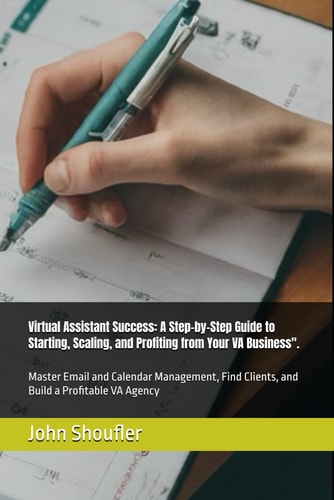
Start & scale your virtual assistant business
Virtual Assistant Success by John Shoufler is the complete, step-by-step guide — 15 chapters and 300+ pages taking you from your first client to a fully scaled VA agency, with pricing packages, client-finding scripts, automation systems, and a start-to-scale checklist. Everything you need to launch and profit.
Get the book on Amazon »Read the full reviewUnderstanding the Role of a Virtual Assistant
Before diving into the VA world, it's crucial to understand what the role entails. A virtual assistant is someone who provides administrative, technical, or creative assistance to clients remotely. Tasks can range from managing emails and calendars to handling social media accounts and bookkeeping. The key is flexibility and adaptability, as the specific tasks can vary greatly depending on the client's needs.
Skills Required to Become a Virtual Assistant
While you don't need formal qualifications to become a virtual assistant, certain skills can significantly enhance your prospects. Strong communication skills, both written and verbal, are essential. Organizational skills will help you manage tasks efficiently, while proficiency in using digital tools like Microsoft Office, Google Suite, and communication platforms such as Slack or Zoom is highly beneficial. If you're looking to specialize, skills in areas like social media management or content creation can set you apart.
Setting Up Your Virtual Assistant Business
Starting your VA business involves some foundational steps. Begin by choosing a business name that reflects your brand and services. Next, decide on the business structure—sole proprietorship, LLC, or corporation—depending on your long-term goals. Setting up a professional email, a simple but informative website, and social media profiles can help establish your online presence. Tools like Trello or Asana can assist in managing tasks effectively.
Finding Your First Clients
Securing your first clients may seem daunting, but there are several effective strategies to employ. Networking is key—reach out to your existing contacts and let them know about your new venture. Platforms like LinkedIn can be invaluable for connecting with potential clients. Additionally, consider joining online communities and forums where business owners seek VA services. Tailor your pitches to address specific client needs and showcase how you can provide value to their business.
Pricing Your Services
Determining how to price your services is a common challenge for new VAs. Start by researching typical rates in your niche and region. Many VAs begin with hourly rates, which can range widely depending on experience and expertise. Alternatively, offering package deals or retainer agreements can provide more stable income. Remember to factor in your costs, including software subscriptions and taxes, when setting your rates.
Scaling Your Virtual Assistant Business
Once you've established a steady stream of clients, you may consider scaling your business. This can involve hiring additional VAs to expand your service offerings or transitioning from hourly work to more lucrative retainer models. Utilizing automation tools for repetitive tasks can save time and increase efficiency. John Shoufler’s 'Virtual Assistant Success: A Step-by-Step Guide to Starting, Scaling, and Profiting from Your VA Business' provides a comprehensive look at how to scale effectively, including valuable insights into client retention and financial management.
Continuous Learning and Adapting
The virtual assistant industry is dynamic, with new tools and trends emerging regularly. Staying updated with industry developments is crucial for maintaining a competitive edge. Online courses, webinars, and industry blogs are great resources for learning new skills and keeping abreast of changes. Additionally, John Shoufler’s guide offers detailed strategies on maintaining a thriving VA business, emphasizing the importance of continuous learning and adaptation.
Frequently Asked Questions
What is the average salary for a virtual assistant?
The salary for a virtual assistant can vary widely based on factors like experience, skillset, and location. Entry-level VAs might earn anywhere from $15 to $25 per hour, while more experienced VAs specializing in high-demand niches can command rates upwards of $50 per hour. It's important to research your niche and set competitive rates accordingly.
Do I need any certification to become a virtual assistant?
No formal certification is required to become a virtual assistant. However, having specialized skills or certifications in certain areas, such as project management or digital marketing, can make you more attractive to potential clients and allow you to charge higher rates.
How can I find clients as a new virtual assistant?
Finding clients involves a combination of networking, marketing, and leveraging online platforms. Start by reaching out to your network and using platforms like LinkedIn to connect with potential clients. Joining VA-related forums and groups can also help you find job opportunities and learn from more experienced VAs.
What are some common challenges faced by virtual assistants?
Common challenges include managing time effectively, dealing with varying client expectations, and ensuring consistent work. Building strong relationships with clients and setting clear boundaries can help mitigate these issues. Utilizing tools like time-tracking software and project management apps can also enhance productivity and client satisfaction.
How can I specialize in a specific niche as a virtual assistant?
Specializing in a niche involves identifying an area of interest or expertise and developing skills related to that field. For example, if you're interested in digital marketing, you might focus on learning about social media management, SEO, or email marketing. Specializing can help you stand out in the market and attract clients willing to pay premium rates for expert services.
Start & scale your virtual assistant business
Virtual Assistant Success by John Shoufler is the complete, step-by-step guide — 15 chapters and 300+ pages taking you from your first client to a fully scaled VA agency, with pricing packages, client-finding scripts, automation systems, and a start-to-scale checklist. Everything you need to launch and profit.
Get the book on Amazon »Read the full review