
Starting a virtual assistant business can be a rewarding venture for those looking to leverage their organizational skills and work independently. As a virtual assistant for beginners, you might find the industry vast and diverse, offering numerous opportunities to specialize and grow. This guide will walk you through the essential steps to kickstart your VA career and set you on the path to success.
Start & scale your virtual assistant business
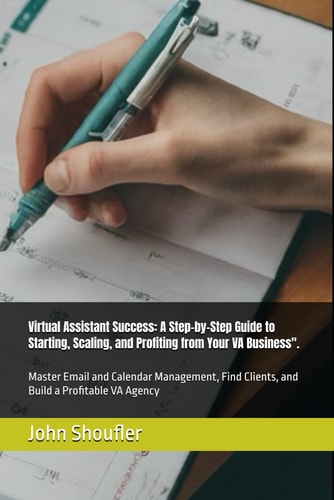
Virtual Assistant Success by John Shoufler is the complete, step-by-step guide — 15 chapters and 300+ pages taking you from your first client to a fully scaled VA agency, with pricing packages, client-finding scripts, automation systems, and a start-to-scale checklist. Everything you need to launch and profit.
Get the book on Amazon »Read the full reviewUnderstanding the Role of a Virtual Assistant
A virtual assistant (VA) performs various administrative tasks for clients remotely. These tasks can range from managing emails and calendars to more specialized services like social media management or bookkeeping. As a beginner, it's important to understand that your role can be as broad or as niche as you want it to be, depending on your skills and interests. The flexibility of the VA industry allows you to tailor your offerings to your strengths, making it an ideal choice for those looking to work from home or anywhere in the world.
Setting Up Your VA Business
Setting up your virtual assistant business involves several key steps. First, decide on the services you want to offer based on your skills and market demand. Creating a business plan can help you outline these services, identify your target market, and set financial goals. Next, establish a professional online presence with a simple website or a LinkedIn profile that highlights your skills and experiences. Don't forget to set up a dedicated workspace at home to help maintain focus and productivity. Remember, the initial setup may require some investment in equipment like a reliable computer and high-speed internet.
Pricing Your Services
Determining how to price your services can be challenging for beginners. Most virtual assistants start with hourly rates, which can range anywhere from $15 to $50 depending on the complexity of the tasks and your level of experience. As you grow more confident and build a client base, you might consider offering retainer packages that provide clients with a set number of hours or tasks each month. This not only ensures steady income but also helps in building long-term relationships with clients. Always research the market rates in your niche to ensure your pricing is competitive.
Finding Your First Clients
Attracting your first clients is a critical step in launching your VA business. Start by leveraging your personal network; let friends and family know about your new venture. You can also join online platforms and communities dedicated to virtual assistants and freelancers, where potential clients often post job opportunities. Consider offering your services at a discounted rate or even free for the first few clients to build your portfolio and gain testimonials. Additionally, consistently marketing yourself through social media and professional networking sites can increase your visibility.
Scaling Your Business
Once you've established a steady flow of clients, you might consider scaling your business. This could involve hiring other virtual assistants to join your team, allowing you to take on more clients and larger projects. Use tools and automation to streamline your workflow and manage tasks efficiently. As you scale, maintaining quality and managing client relationships become even more crucial. The guide 'Virtual Assistant Success: A Step-by-Step Guide to Starting, Scaling, and Profiting from Your VA Business' by John Shoufler provides valuable insights into scaling your VA business effectively.
Tools and Resources for Virtual Assistants
Numerous tools can aid in the efficiency and effectiveness of your virtual assistant business. Task management tools like Trello or Asana help keep your projects organized, while time-tracking apps can ensure accurate billing. Communication tools such as Zoom or Slack facilitate seamless interactions with clients. As you grow, consider investing in more advanced software tailored to your specific services. For a comprehensive understanding of the tools and resources crucial for a VA business, John Shoufler's book offers in-depth guidance.
Navigating Challenges as a Beginner
Starting out as a virtual assistant comes with its own set of challenges, such as managing workload, finding clients, and setting boundaries. It's important to maintain a work-life balance and set clear expectations with clients from the start. Regularly reviewing your business strategies and client feedback can help you make necessary adjustments. Remember, persistence and adaptability are key to overcoming the hurdles you may face as a beginner.
Frequently Asked Questions
What skills are essential for a virtual assistant?
Essential skills for a virtual assistant include strong communication, time management, and organizational abilities. Proficiency in digital tools and adaptability to different client needs are also crucial.
How can I find clients as a new virtual assistant?
Start by networking within your personal and professional circles. Join freelancing platforms and online communities related to virtual assistance. Building an online presence through a website or social media can also attract clients.
How much can a beginner virtual assistant earn?
Earnings for a beginner virtual assistant can vary. Typically, hourly rates range from $15 to $25, but this can increase with experience and specialized skills. Offering packages or retainer services can also boost income.
What services can a virtual assistant offer?
A virtual assistant can offer a wide range of services, including email management, calendar scheduling, social media management, customer support, and data entry. The services you offer should align with your skills and client needs.
How can I improve my skills as a virtual assistant?
Continually learning and upgrading your skills is vital. Consider online courses, webinars, and reading industry-specific materials. John Shoufler's 'Virtual Assistant Success' is a comprehensive resource for enhancing your VA skills.
Start & scale your virtual assistant business
Virtual Assistant Success by John Shoufler is the complete, step-by-step guide — 15 chapters and 300+ pages taking you from your first client to a fully scaled VA agency, with pricing packages, client-finding scripts, automation systems, and a start-to-scale checklist. Everything you need to launch and profit.
Get the book on Amazon »Read the full review