
Standard Operating Procedures (SOPs) are essential for ensuring consistency and quality in any organization. Whether you're new to technical writing or an experienced professional, understanding how to create effective SOPs can significantly enhance your work. In this article, we'll explore standard operating procedure examples and provide you with a practical template to get started.

Go from zero to hireable technical writer
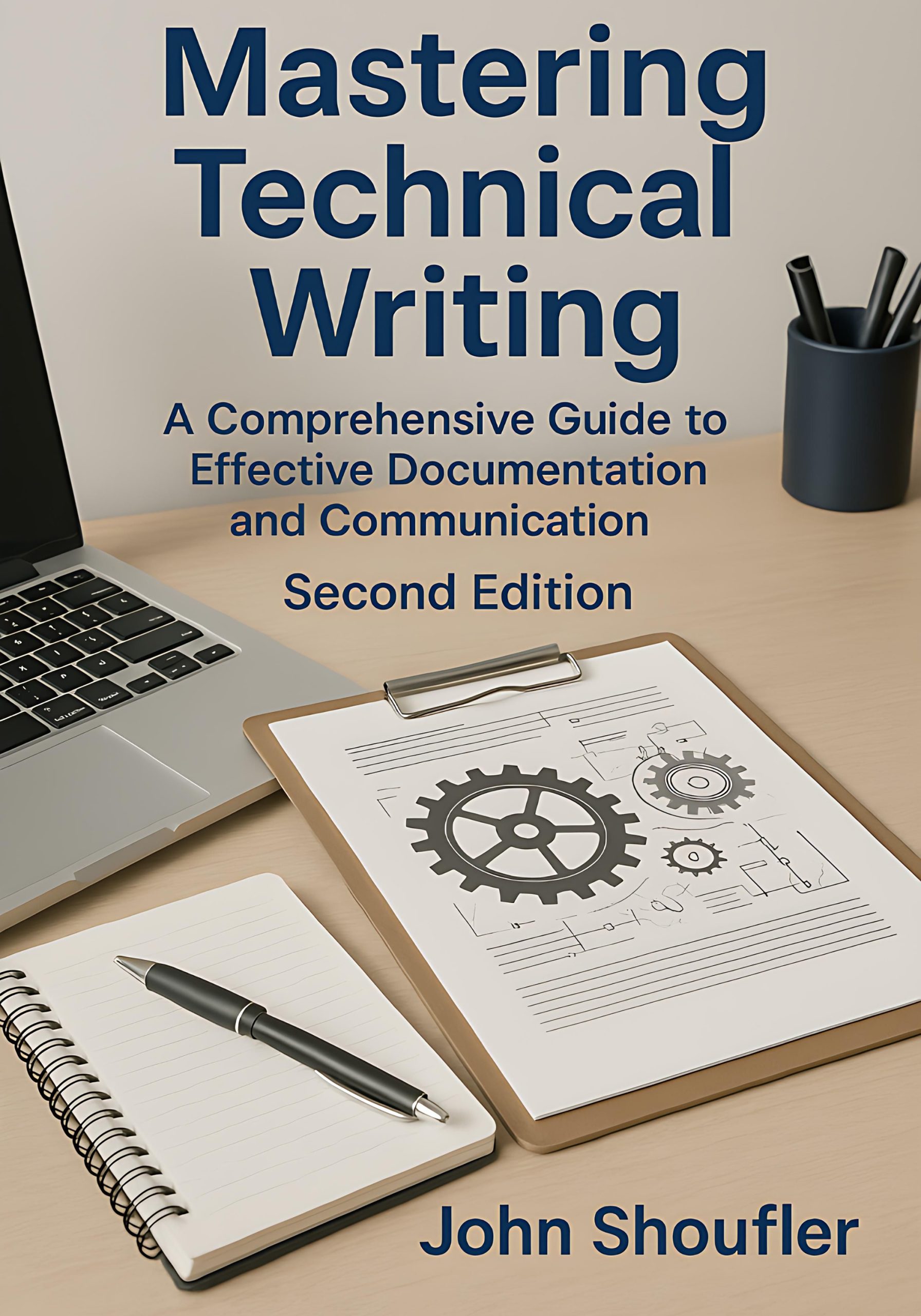
Mastering Technical Writing (2nd Edition) by John Shoufler is a complete, beginner-to-advanced guide — with ready-to-use templates, checklists, and hands-on exercises in every chapter. Learn the craft, build a portfolio, and land the job.
What is a Standard Operating Procedure?
A Standard Operating Procedure (SOP) is a set of written instructions that document a routine or repetitive activity followed by an organization. SOPs are crucial for maintaining quality, ensuring compliance, and enhancing efficiency. For instance, in a manufacturing plant, an SOP might detail the steps for operating a particular machine, ensuring that every operator follows the same process to minimize errors and improve safety.
Key Elements of Effective SOPs
An effective SOP should be clear, concise, and easy to follow. Key elements include:
1. **Title and Purpose**: Clearly state the procedure's name and what it aims to achieve.
2. **Scope**: Define the boundaries of the procedure, including when and where it applies.
3. **Responsibilities**: Detail who is responsible for each part of the procedure.
4. **Materials and Equipment**: List any tools or materials needed.
5. **Step-by-Step Instructions**: Provide a detailed, chronological list of steps.
6. **Safety Precautions**: Include any safety warnings or instructions.
7. **Review and Approval**: Document who has approved the SOP and any review dates.
Standard Operating Procedure Examples
Here are some typical examples of SOPs across different industries:
– **Healthcare**: An SOP for sterilizing surgical instruments might include steps for cleaning, inspection, and storage to ensure compliance with health regulations.
– **IT Support**: An SOP for resetting a user password may involve verifying identity, accessing the user management system, and documenting the change.
– **Food Service**: An SOP for preparing a dish in a restaurant could standardize ingredient quantities, cooking times, and presentation to maintain consistency.
– **Manufacturing**: An SOP for quality control inspections might outline inspection criteria, documentation procedures, and actions for non-compliance.
Creating Your SOP Template
Creating an SOP template is a foundational step for developing consistent procedures. A good template includes:
– **Header**: Title, document ID, and revision date.
– **Purpose and Scope**: Briefly state what the SOP covers and its intended outcome.
– **Definitions**: Define any technical terms or acronyms.
– **Responsibilities**: Clearly outline who is responsible for each task.
– **Procedure Steps**: Numbered list of steps with detailed descriptions.
– **References**: Cite any external documents or standards referenced in the SOP.
– **Approval and Revision History**: Log of who approved the SOP and any changes made over time.
A comprehensive guide like 'Mastering Technical Writing (2nd Edition)' by John Shoufler can provide additional insights and templates to refine your SOPs.
Tips for Writing Clear and Concise SOPs
Effective SOP writing is all about clarity and precision. Here are some tips:
– **Use Simple Language**: Avoid jargon and technical terms unless necessary. When using them, provide clear definitions.
– **Be Specific**: Use precise language to eliminate ambiguity. For instance, instead of saying 'regularly check the machine,' specify 'check the machine every Monday at 9 AM.'
– **Incorporate Visuals**: Diagrams, flowcharts, or photographs can make complex steps easier to understand.
– **Seek Feedback**: Have potential users review the SOP to ensure clarity and completeness. Their feedback can highlight areas that need improvement.
– **Regular Updates**: Revisit SOPs periodically to ensure they are still relevant and accurate, especially after any procedural changes.
Using SOPs to Improve Workplace Efficiency
SOPs can significantly enhance workplace efficiency by providing clear guidelines and reducing the likelihood of errors. They help ensure that tasks are performed consistently, which can improve quality control and compliance with regulations. For example, in a pharmaceutical company, SOPs can reduce variation in drug manufacturing processes, leading to higher quality products and fewer recalls. Additionally, SOPs can be instrumental in training new employees, providing them with a reliable reference to learn job tasks effectively.
Frequently Asked Questions
How often should SOPs be updated?
SOPs should be reviewed and updated at least annually or whenever there are significant changes in processes, technology, or regulations. Regular updates ensure that the procedures remain relevant and effective.
Can SOPs be used in small businesses?
Absolutely. SOPs are beneficial for businesses of all sizes. They help small businesses maintain consistency, improve quality, and ensure compliance with industry standards.
What is the best format for an SOP?
The best format for an SOP depends on the organization's needs and industry standards. Generally, a clear, structured format with sections for purpose, scope, responsibilities, materials, steps, and safety precautions works well.
Why are visuals important in SOPs?
Visuals like diagrams and flowcharts can simplify complex instructions, making them easier to understand and follow. They are especially useful in technical procedures where spatial or sequential understanding is crucial.
How can I ensure my SOP is user-friendly?
To ensure an SOP is user-friendly, write in clear, concise language, organize information logically, use bullet points or numbered lists for steps, and incorporate visuals where appropriate. Gathering user feedback is also vital to identify areas for improvement.
Go from zero to hireable technical writer
Mastering Technical Writing (2nd Edition) by John Shoufler is a complete, beginner-to-advanced guide — with ready-to-use templates, checklists, and hands-on exercises in every chapter. Learn the craft, build a portfolio, and land the job.