
Breaking into technical writing can seem daunting, but entry-level technical writer jobs are more accessible than you might think. This field offers a unique opportunity to blend communication skills with technical knowledge, and it's open to individuals from various backgrounds. By understanding the essentials and preparing strategically, you can position yourself well to secure your first role.

Go from zero to hireable technical writer
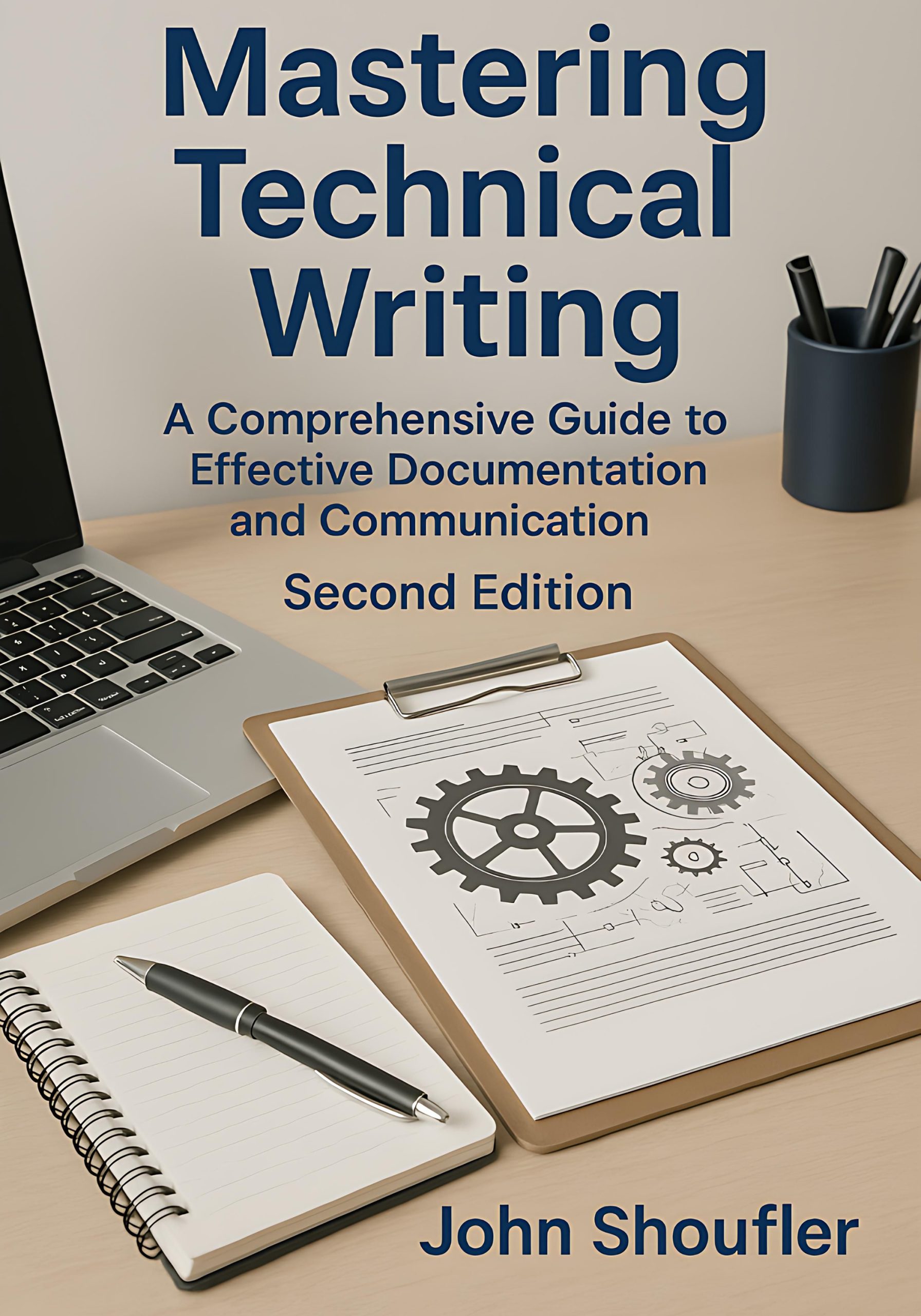
Mastering Technical Writing (2nd Edition) by John Shoufler is a complete, beginner-to-advanced guide — with ready-to-use templates, checklists, and hands-on exercises in every chapter. Learn the craft, build a portfolio, and land the job.
Understanding the Role of an Entry-Level Technical Writer
Entry-level technical writers are tasked with creating clear and concise documentation that explains complex information in a way that is easy to understand. This could include user manuals, help guides, and online support content. While the specifics can vary by industry, the core goal remains the same: facilitate user understanding. For instance, an entry-level writer in a software company might document new software features, while one in the healthcare field might create instructions for medical devices. The focus is always on clarity and audience comprehension.
Essential Skills for Aspiring Technical Writers
To succeed as an entry-level technical writer, certain skills are indispensable. Strong writing and communication skills are, of course, vital. However, technical writers also need to be adept at research and able to quickly understand new concepts. Familiarity with documentation tools such as Microsoft Word, Adobe Acrobat, and possibly more specialized tools like MadCap Flare or FrameMaker can be beneficial. Additionally, skills in basic HTML or graphic design could set you apart from other candidates. Developing these skills can be supported by resources like 'Mastering Technical Writing (2nd Edition)' by John Shoufler, which provides practical exercises and templates to build your competence.
Building a Portfolio that Stands Out
Your portfolio is your chance to showcase your ability to potential employers. Start by including any documentation you’ve done, even if it's from volunteer work or school projects. Create samples that demonstrate your ability to write clear instructions or explanations of complex topics. Consider tackling a mock project, such as writing a user guide for a household appliance. The key is to demonstrate your writing style and attention to detail. As you gain experience, continue to update your portfolio with diverse examples that highlight your skills.
Where to Find Entry-Level Technical Writing Jobs
Job hunting for entry-level technical writing positions can be challenging, but there are several avenues to explore. Online job boards such as Indeed, Glassdoor, and LinkedIn frequently list technical writing positions. Networking within industry groups, both online and in-person, can provide leads and insights into job openings. Additionally, consider reaching out directly to companies you're interested in; many businesses appreciate proactive candidates. Remember to tailor your applications to each position, emphasizing relevant skills and experiences.
Preparing for Technical Writing Interviews
Interviews for technical writing positions often focus on your writing skills and ability to learn technical information quickly. Be prepared to discuss your portfolio and the processes you use to create clear documentation. You might be given a writing test or asked to review a piece of documentation and suggest improvements. Practice explaining technical concepts in a simple way, as this is a key part of the job. Confidence and clarity in communication will serve you well in these interviews.
Continuous Learning and Professional Development
The field of technical writing is ever-evolving, with new tools and technologies emerging regularly. To remain competitive, it's important to be committed to continuous learning. This could involve taking online courses, attending workshops, or reading industry-related books. 'Mastering Technical Writing (2nd Edition)' by John Shoufler offers comprehensive guidance that can aid both beginners and seasoned professionals in honing their skills. Consider joining professional organizations such as the Society for Technical Communication to stay connected and informed.
Frequently Asked Questions
What qualifications do I need for entry-level technical writer jobs?
Typically, a bachelor's degree in English, communications, or a related field is preferred, although some positions may accept relevant experience or skills in lieu of formal education. Proficiency in technical writing tools and a strong portfolio can also be crucial.
How can I gain experience if I'm new to technical writing?
Consider volunteering for writing projects, contributing to open-source documentation, or creating your own sample projects. These experiences can build your portfolio and demonstrate your ability to potential employers.
What industries hire entry-level technical writers?
Technical writers are needed in various industries, including software, healthcare, manufacturing, and finance. Each industry may have specific requirements, but the fundamental skills of clear writing and technical understanding are universally valued.
What should I include in my technical writing portfolio?
Include a variety of documentation samples that showcase your writing style, attention to detail, and ability to explain complex concepts clearly. If possible, include examples from different industries or project types.
How can I improve my technical writing skills?
Practice writing regularly, seek feedback from peers, and study existing documentation to understand best practices. Utilizing resources such as guidebooks and online courses can also enhance your skills.
Go from zero to hireable technical writer
Mastering Technical Writing (2nd Edition) by John Shoufler is a complete, beginner-to-advanced guide — with ready-to-use templates, checklists, and hands-on exercises in every chapter. Learn the craft, build a portfolio, and land the job.