
Technical writing is a thriving field, ideal for those who enjoy explaining complex information clearly and concisely. If you're considering a career as a technical writer but lack experience, don't worry—there are many paths to break into this profession. With the right approach and resources, you can start a successful career as a technical writer.

Go from zero to hireable technical writer
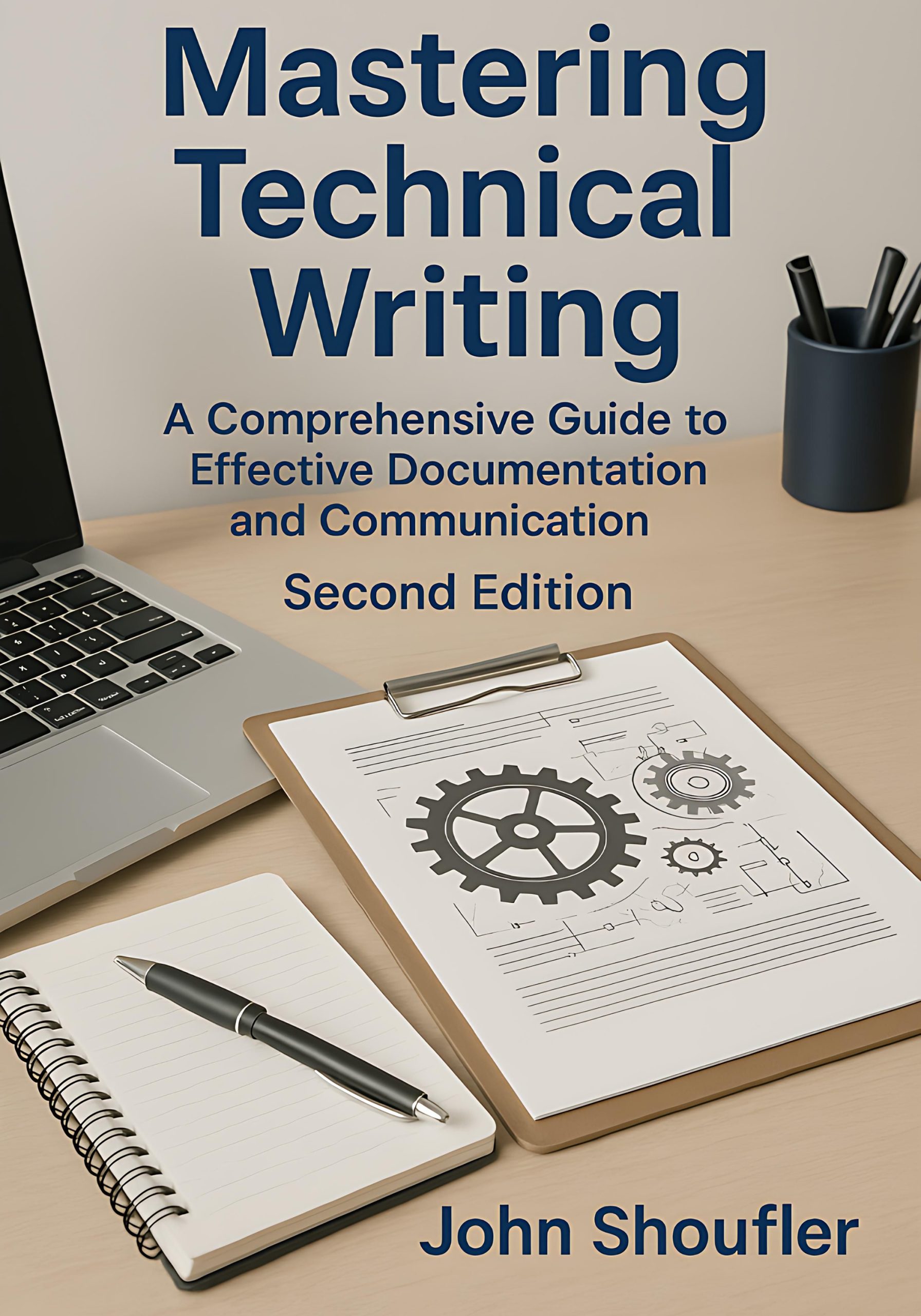
Mastering Technical Writing (2nd Edition) by John Shoufler is a complete, beginner-to-advanced guide — with ready-to-use templates, checklists, and hands-on exercises in every chapter. Learn the craft, build a portfolio, and land the job.
Understanding the Role of a Technical Writer
Before diving into the steps of how to become a technical writer, it's crucial to understand what the job entails. Technical writers create user manuals, guides, and other documentation that explain complex information in an accessible way. They work in various industries, including technology, healthcare, and engineering. A strong grasp of language, attention to detail, and an aptitude for learning new tools and technologies are essential skills for this role.
Developing Essential Skills
To succeed as a technical writer, you'll need strong writing and editing skills. Start by honing your ability to write clearly and concisely. Taking online courses in technical writing or enrolling in workshops can be beneficial. Familiarize yourself with style guides such as the Chicago Manual of Style or the Microsoft Style Guide. Additionally, learning tools like Adobe FrameMaker, MadCap Flare, or Microsoft Word's advanced features will prepare you for real-world projects.
Building a Portfolio
Even without formal experience, you can build a portfolio that showcases your skills. Create sample documentation on topics you're familiar with, such as a how-to guide for a software application or a troubleshooting guide for a common tech issue. Volunteer to write for non-profits or small businesses, or contribute to open-source projects. A well-rounded portfolio demonstrates your ability to handle various types of technical writing.
Networking and Professional Development
Networking is crucial in any career, and technical writing is no exception. Join professional organizations such as the Society for Technical Communication (STC) or attend industry conferences. Online communities, like LinkedIn groups and forums, can also be valuable for connecting with other professionals and learning about job opportunities. Consider investing in 'Mastering Technical Writing (2nd Edition)' by John Shoufler for comprehensive guidance on advancing in this field.
Finding Your First Job
Breaking into technical writing might seem challenging, but many entry-level positions don't require extensive experience. Look for job postings that emphasize skills and a willingness to learn over specific experience levels. Entry-level roles are often available in technology companies, start-ups, or even as contract work. Tailor your resume to highlight relevant skills and projects from your portfolio, and be prepared to discuss how your background can benefit potential employers.
Continuous Learning and Growth
The field of technical writing is constantly evolving, with new tools and methodologies emerging regularly. Stay updated by taking advanced courses, attending workshops, and reading industry publications. As you gain experience, consider specializing in a particular niche, such as medical writing or software documentation, to increase your marketability and potential salary. 'Mastering Technical Writing (2nd Edition)' by John Shoufler offers advanced exercises and templates to further refine your skills.
Leveraging Certifications
Certifications can enhance your credentials and demonstrate your commitment to the profession. Programs like the Certified Professional Technical Communicator (CPTC) offer a structured path to validate your skills. While not mandatory, certifications can distinguish you from other candidates and may be particularly beneficial for those transitioning from other fields.
Frequently Asked Questions
Do I need a degree to become a technical writer?
While a degree in English, communication, or a related field can be beneficial, it's not always required. Employers often value skills and experience over formal education. Building a strong portfolio and gaining practical experience can be just as important.
What types of companies hire technical writers?
Technical writers are in demand across various industries, including technology, healthcare, engineering, and finance. Companies ranging from start-ups to large corporations require technical documentation to support their products and services.
How can I improve my technical writing skills?
Practice is key to improving your technical writing skills. Write regularly, seek feedback, and revise your work. Consider taking workshops or courses focused on technical writing, and read extensively to familiarize yourself with different writing styles and techniques.
What tools should I learn to become a technical writer?
Familiarize yourself with tools commonly used in the industry, such as Adobe FrameMaker, MadCap Flare, Microsoft Word, and various content management systems. Gaining proficiency in these tools can give you a competitive edge in the job market.
Can I freelance as a technical writer?
Yes, freelancing is a viable option for technical writers. Many companies hire freelancers for specific projects, which can be a great way to gain experience and build a diverse portfolio. Freelancing platforms and networking can help you find opportunities.
Go from zero to hireable technical writer
Mastering Technical Writing (2nd Edition) by John Shoufler is a complete, beginner-to-advanced guide — with ready-to-use templates, checklists, and hands-on exercises in every chapter. Learn the craft, build a portfolio, and land the job.