
Creating a technical writing portfolio is essential for showcasing your skills and expertise to potential employers or clients. Whether you're new to the field or looking to enhance your career, a well-crafted portfolio demonstrates your ability to communicate complex information clearly and effectively. This guide will help you build a compelling portfolio with practical examples to highlight your strengths.

Go from zero to hireable technical writer
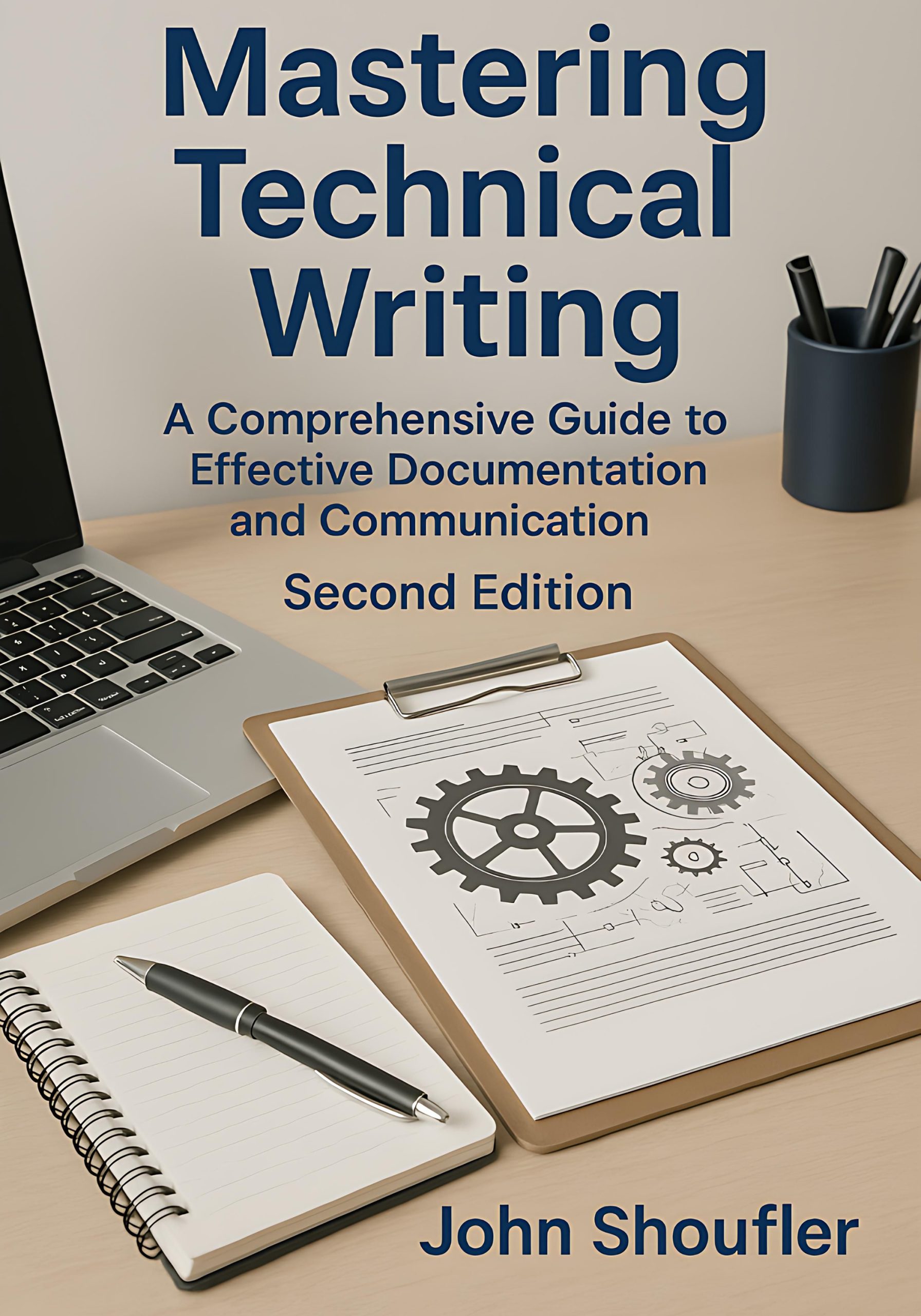
Mastering Technical Writing (2nd Edition) by John Shoufler is a complete, beginner-to-advanced guide — with ready-to-use templates, checklists, and hands-on exercises in every chapter. Learn the craft, build a portfolio, and land the job.
Understanding the Purpose of a Technical Writing Portfolio
A technical writing portfolio serves as a visual resume, highlighting your ability to convey technical information to various audiences. It should illustrate your skills in creating user manuals, process documents, and other technical materials. Employers look for candidates who can demonstrate versatility and an understanding of the audience's needs. By clearly displaying your work, you can set yourself apart from other candidates and prove your capability in the role.
Choosing the Right Pieces for Your Portfolio
Select pieces that best showcase your range and expertise. You might include user guides, API documentation, white papers, and case studies. Ensure each piece demonstrates a different skill or writing style, such as instructional writing, conceptual writing, or procedural writing. It's beneficial to include work that spans different industries or technical areas, as this highlights your adaptability. For those just starting, create sample documents or contribute to open-source projects to build your collection.
Organizing and Presenting Your Work
Your portfolio should be easy to navigate and visually appealing. Organize your work into categories, such as by document type or industry, to help viewers find what they need quickly. Use a clean layout with clear headings and brief descriptions of each piece. Digital portfolios are recommended as they are easily accessible and can include interactive elements. Tools like WordPress or Squarespace can be used to create a professional-looking site. Ensure your contact information is readily available for potential employers to reach you.
Ensuring Quality and Relevance
Quality is paramount in a technical writing portfolio. Each piece should be error-free, well-organized, and up-to-date. Regularly review and update your portfolio to ensure it reflects your best work and current skills. Remove outdated or less relevant pieces as you gain more experience. Tailor your portfolio to the type of job you're applying for by emphasizing relevant skills and experiences. This practice shows prospective employers that you understand their needs and are well-suited for the position.
Using Examples to Enhance Your Portfolio
Examples are a powerful tool in a technical writing portfolio. Consider including before-and-after samples to demonstrate your editing skills and ability to enhance clarity. Visual aids, such as diagrams or flowcharts, can show your skill in creating comprehensive technical documents. If you contributed to a team project, describe your role and the impact of your work. These examples provide concrete evidence of your skills and increase the credibility of your portfolio. For more structured guidance, refer to 'Mastering Technical Writing (2nd Edition)' by John Shoufler, which offers exercises and templates.
Promoting Your Portfolio Effectively
Once your portfolio is ready, it's important to promote it effectively. Share it on professional networking sites, such as LinkedIn, and include the link in your resume and cover letters. Networking within industry groups or forums can also help you reach potential employers or clients. Be prepared to discuss your portfolio in interviews, highlighting specific pieces that align with the job requirements. Regularly update your portfolio and network to keep your skills and achievements visible in the industry.
Frequently Asked Questions
What should be included in a technical writing portfolio?
A technical writing portfolio should include a variety of documents that showcase your writing skills and technical expertise. This can include user manuals, API documentation, white papers, and case studies. Aim to demonstrate versatility and adaptability through diverse examples.
How can I build a portfolio if I don't have professional experience?
If you're new to technical writing, create sample documents or contribute to open-source projects. You can also take on freelance projects or volunteer to write technical content for local organizations. These activities will help you build a portfolio that demonstrates your skills.
How often should I update my technical writing portfolio?
Regular updates to your portfolio are important to ensure it reflects your current skills and experience. Review your portfolio every few months to add new work and remove outdated or less relevant pieces. This keeps your portfolio fresh and aligned with industry trends.
Why is a digital portfolio recommended for technical writers?
A digital portfolio is easily accessible and allows for interactive elements, such as links to additional content or embedded multimedia. It provides a professional appearance and can be shared easily with potential employers through online platforms, increasing your visibility.
How can 'Mastering Technical Writing' by John Shoufler help me?
'Mastering Technical Writing (2nd Edition)' by John Shoufler offers comprehensive guidance for building a technical writing portfolio. It includes templates, checklists, and exercises to help you enhance your skills and create a standout portfolio that meets industry standards.
Go from zero to hireable technical writer
Mastering Technical Writing (2nd Edition) by John Shoufler is a complete, beginner-to-advanced guide — with ready-to-use templates, checklists, and hands-on exercises in every chapter. Learn the craft, build a portfolio, and land the job.