
Embarking on a career in technical writing can be both exciting and daunting. If you're looking to break into the field, a free technical writing course can provide the foundational skills needed to get started. This article will guide you through the essentials of what to expect from these courses and how they can help pave your way in the technical writing industry.

Go from zero to hireable technical writer
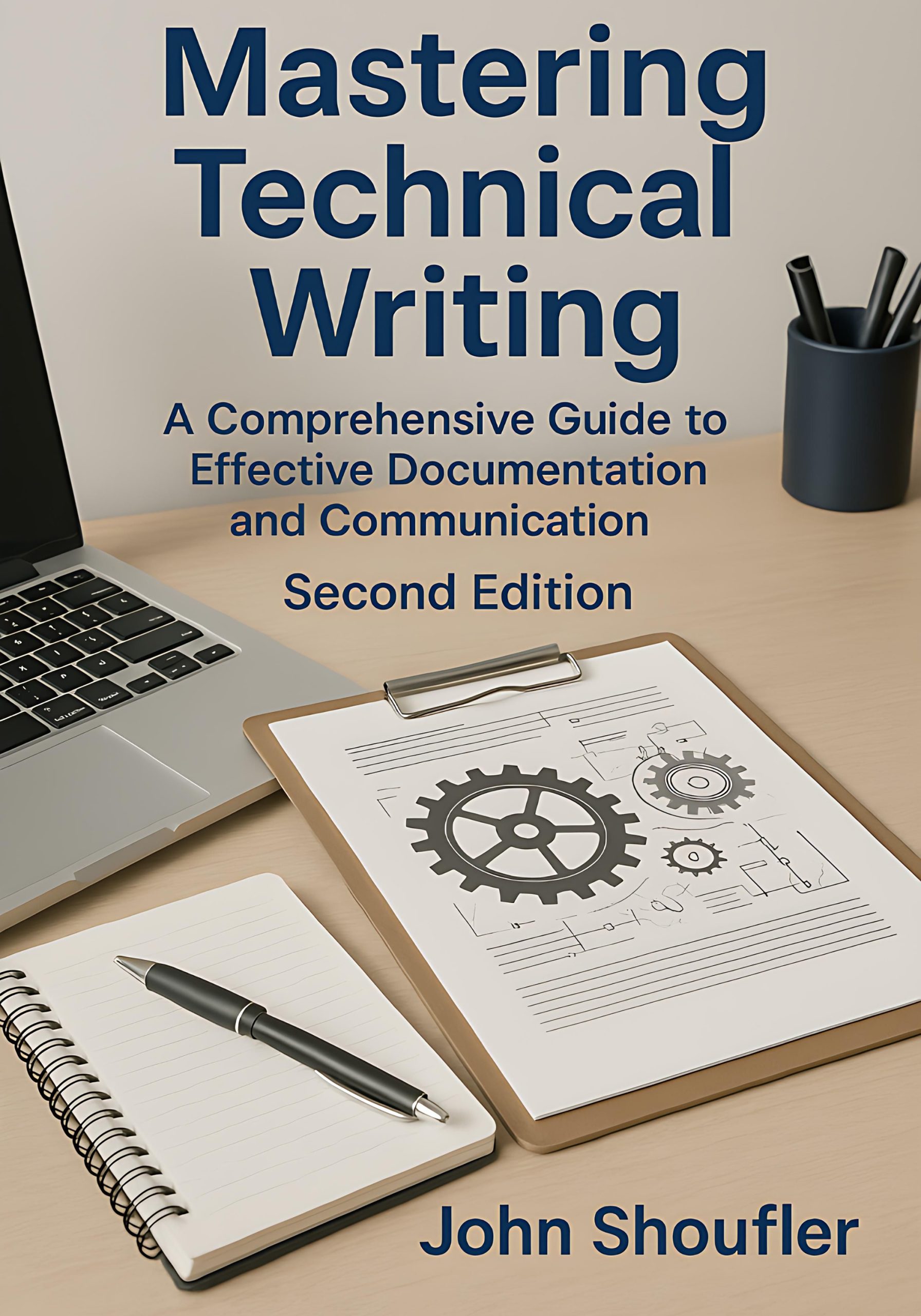
Mastering Technical Writing (2nd Edition) by John Shoufler is a complete, beginner-to-advanced guide — with ready-to-use templates, checklists, and hands-on exercises in every chapter. Learn the craft, build a portfolio, and land the job.
Understanding Technical Writing
Technical writing is all about conveying complex information clearly and concisely. Whether you're writing user manuals, online help systems, or technical reports, the goal is to make information accessible to the intended audience. A free technical writing course typically covers the basics of writing clearly and effectively, focusing on the specific needs of the audience and the subject matter. Expect to learn how to organize information logically, use appropriate terminology, and format documents professionally.
What to Expect from a Free Technical Writing Course
Most free technical writing courses offer an overview of the writing process, including researching, drafting, and editing. You might also delve into specific writing styles and formats used in the industry. While these courses provide a solid introduction, they often lack the depth of paid programs. However, they are an excellent starting point for building a portfolio and gaining confidence. For more comprehensive coverage of both basic and advanced techniques, consider resources like 'Mastering Technical Writing (2nd Edition)' by John Shoufler.
Essential Skills You Will Learn
A good free technical writing course will teach you how to analyze your audience, choose the right tone, and structure your documents effectively. You'll also learn about crucial tools and technologies used in the field, such as word processors, content management systems, and version control software. Emphasizing clarity and precision, these courses often include exercises on simplifying complex ideas, crucial for creating user-friendly documentation.
Building a Portfolio
One of the key outcomes of completing a free technical writing course is the ability to start building a portfolio. This collection of writing samples demonstrates your skills and versatility to potential employers. Even if your course does not include a portfolio component, take initiative by drafting sample documents, such as user guides or process documentation, based on hypothetical or real-world scenarios. This hands-on practice is invaluable in honing your skills and showcasing your capabilities.
Certification and Beyond
While a free technical writing course is a great introduction, you may eventually consider obtaining certification to bolster your credentials. Certifications from recognized bodies can enhance your professional standing and open more doors in the industry. Additionally, continuous learning through advanced courses and workshops helps keep your skills sharp and relevant. Resources like 'Mastering Technical Writing (2nd Edition)' can guide you through more complex topics and industry best practices.
Career Opportunities in Technical Writing
After completing a free technical writing course, you might explore various career paths within the field. Technical writers work in diverse industries, including technology, healthcare, finance, and manufacturing. Job titles can range from documentation specialist to content strategist. Salaries vary based on experience, industry, and location, so it's important to research and network within your desired field to understand the opportunities available.
Frequently Asked Questions
What is technical writing?
Technical writing involves creating clear, concise documents that communicate complex information to a specific audience. This includes user manuals, technical reports, and online help guides.
Are free technical writing courses worth it?
Yes, they provide a solid foundation in technical writing principles and practices. While they may not cover advanced topics in depth, they're a great starting point for beginners.
How can I improve my technical writing skills?
Practice regularly, seek feedback, and read extensively in the field. Consider advanced courses and resources like 'Mastering Technical Writing (2nd Edition)' for deeper insights and structured learning.
What tools do technical writers use?
Common tools include word processors, content management systems, and version control software. Familiarity with these tools is often covered in technical writing courses.
Do I need a certification in technical writing?
Certification is not mandatory but can enhance your resume and career prospects. It demonstrates a commitment to the profession and a certain level of expertise.
Go from zero to hireable technical writer
Mastering Technical Writing (2nd Edition) by John Shoufler is a complete, beginner-to-advanced guide — with ready-to-use templates, checklists, and hands-on exercises in every chapter. Learn the craft, build a portfolio, and land the job.