
Technical writing is a unique field that blends the art of communication with technical expertise. Whether you're just starting or looking to refine your craft, developing strong technical writing skills is crucial to your success. This article outlines ten essential skills that can set you apart from the competition and help you secure that coveted technical writing position.

Go from zero to hireable technical writer
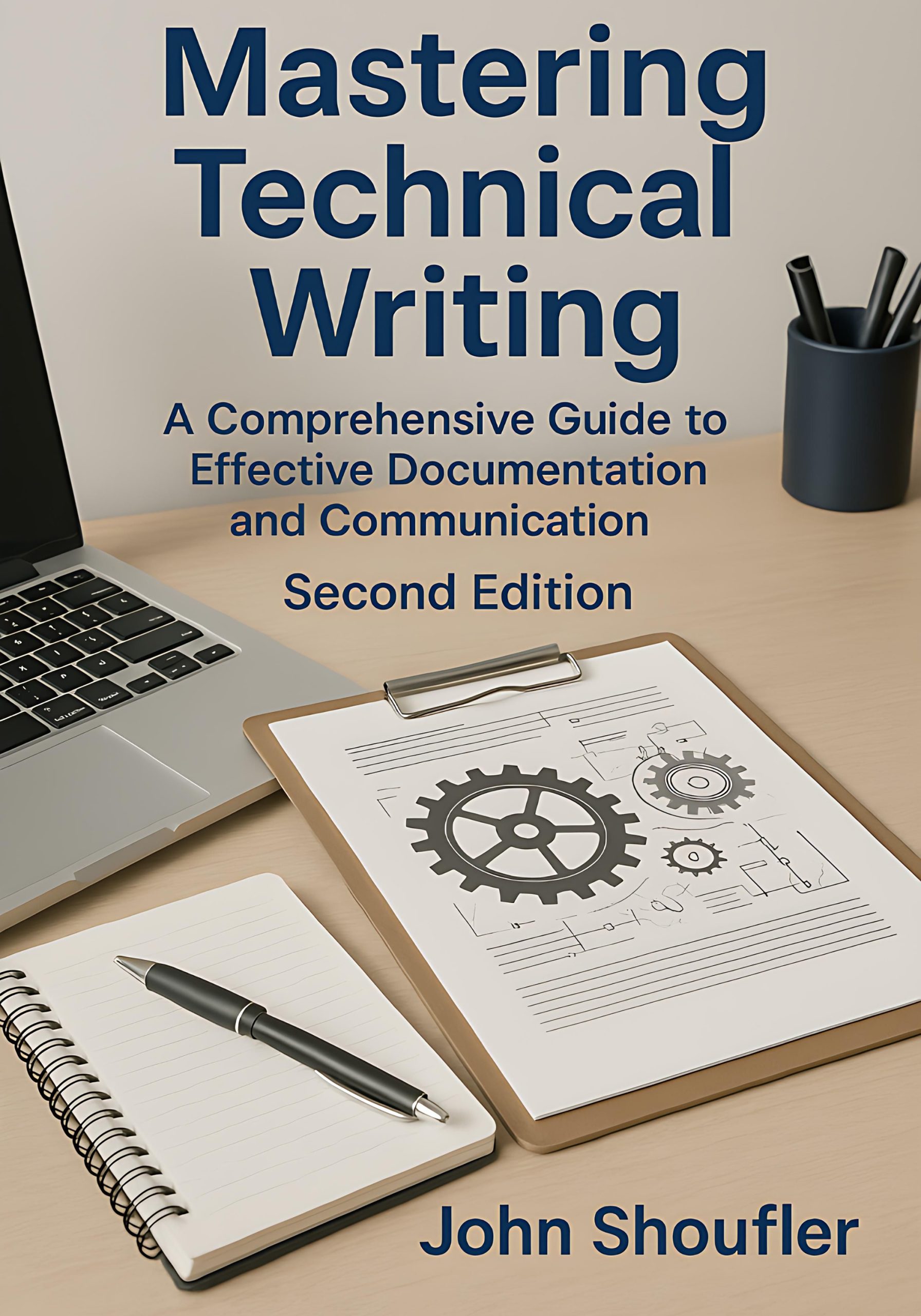
Mastering Technical Writing (2nd Edition) by John Shoufler is a complete, beginner-to-advanced guide — with ready-to-use templates, checklists, and hands-on exercises in every chapter. Learn the craft, build a portfolio, and land the job.
Understanding Your Audience
One of the most critical skills in technical writing is understanding your audience. A successful technical writer knows how to tailor content to meet the needs of their readers, whether they're writing for developers, end-users, or management. For example, when writing a user manual for a software application, the language and explanations should match the user's technical proficiency. This skill involves researching the audience's background, knowledge level, and expectations, which ensures that your document is both accessible and informative.
Mastering Clarity and Conciseness
Clarity and conciseness are the cornerstones of effective technical writing. Readers rely on technical documents to provide clear and straightforward instructions or information. To achieve this, use simple language and avoid jargon unless absolutely necessary. Break down complex concepts into manageable sections and use bullet points or numbered lists where appropriate. Practicing this skill ensures your writing is easy to follow and understand.
Proficient Use of Documentation Tools
Technical writers often use various documentation tools and software to create and manage content. Familiarity with tools such as Microsoft Word, Adobe Acrobat, and specialized software like MadCap Flare or Adobe FrameMaker can enhance your productivity and the quality of your work. Additionally, understanding version control systems like Git can be beneficial when collaborating with teams. Master these tools to streamline your writing process and produce professional-looking documents.
Incorporating Visual Elements
Technical writing isn’t just about text; incorporating visual elements like diagrams, charts, and screenshots can significantly enhance the reader's understanding. These elements are particularly useful in explaining complex processes or data. Learn how to create and integrate visuals effectively, ensuring they complement the text and are appropriately labeled. This skill is especially valuable when working on instructional guides or technical reports.
Strong Research Skills
Technical writers must often become subject matter experts in the topics they're documenting. Strong research skills enable you to gather, evaluate, and synthesize information from various sources. Whether you're learning about a new software feature or industry regulations, being able to quickly and accurately collect relevant information is essential. This also involves verifying facts and ensuring that all information is up-to-date and accurate.
Editing and Proofreading
Editing and proofreading are crucial stages in the writing process. They involve reviewing your work to correct grammatical errors, improve sentence structure, and ensure consistency in tone and style. A keen eye for detail is necessary to spot mistakes and refine your work to meet professional standards. Regularly practicing editing and proofreading can significantly enhance the quality of your documents.
Learning Industry Standards
Being familiar with industry standards and best practices can elevate your technical writing skills. This includes understanding documentation formats, style guides like the Chicago Manual of Style or Microsoft Style Guide, and industry-specific regulations. Staying informed about these standards helps you produce content that is both compliant and respected within your field. For a comprehensive approach, consider exploring 'Mastering Technical Writing (2nd Edition)' by John Shoufler, which covers these aspects in detail.
Frequently Asked Questions
What qualifications do I need to become a technical writer?
While a degree in English, Communications, or a related field can be beneficial, many technical writers come from diverse backgrounds including engineering and computer science. Essential qualifications include strong writing skills, familiarity with technical subjects, and proficiency with documentation tools.
How can I improve my technical writing skills?
Improvement comes with practice and feedback. Engage in writing exercises, seek feedback from peers, and continually study industry standards. Reading resources like 'Mastering Technical Writing (2nd Edition)' by John Shoufler can provide valuable insights and practical advice.
Are certifications necessary for technical writers?
Certifications aren't mandatory but can enhance your resume and demonstrate your commitment to the profession. Organizations like the Society for Technical Communication offer certification programs that can validate your skills and knowledge.
What is the role of a technical writer in a software company?
In a software company, a technical writer creates user manuals, installation guides, API documentation, and other materials that help users understand and utilize software products effectively. They work closely with developers, product managers, and other stakeholders to ensure accurate and comprehensive documentation.
Go from zero to hireable technical writer
Mastering Technical Writing (2nd Edition) by John Shoufler is a complete, beginner-to-advanced guide — with ready-to-use templates, checklists, and hands-on exercises in every chapter. Learn the craft, build a portfolio, and land the job.