
Embarking on a career as a technical writer can be both rewarding and lucrative. However, like any profession, understanding the potential salary range is crucial for setting realistic expectations and making informed career decisions. This article explores what you can actually earn as a technical writer, examining factors that influence salary, such as experience, industry, and location.

Go from zero to hireable technical writer
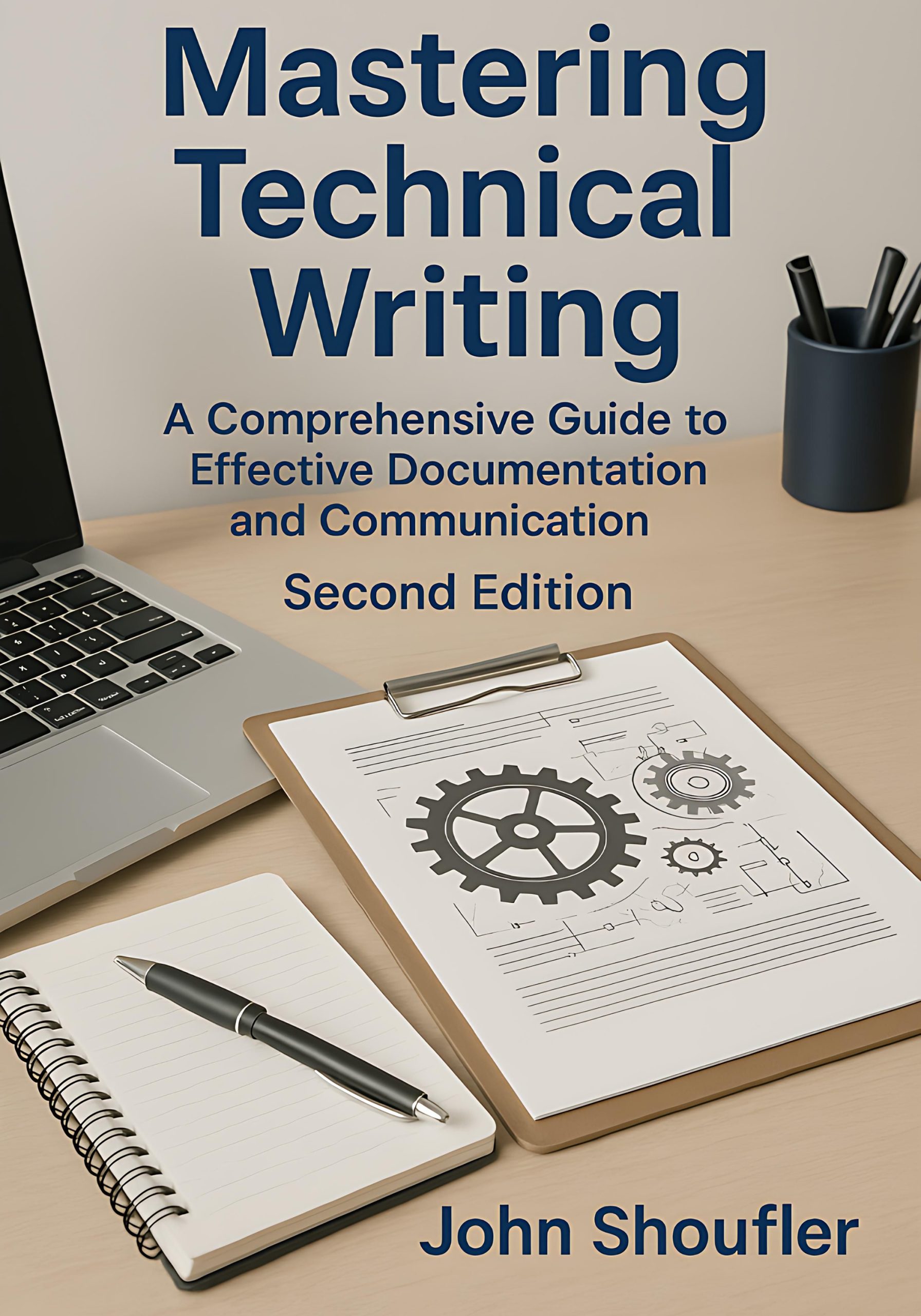
Mastering Technical Writing (2nd Edition) by John Shoufler is a complete, beginner-to-advanced guide — with ready-to-use templates, checklists, and hands-on exercises in every chapter. Learn the craft, build a portfolio, and land the job.
Understanding the Technical Writer Salary Range
The salary of a technical writer can vary significantly based on a number of factors. Typically, entry-level technical writers might expect to earn between $45,000 and $60,000 annually. As you gain experience, that range can increase to between $60,000 and $85,000. Seasoned professionals with specialized skills or those in managerial roles may see salaries stretching from $85,000 to over $100,000. To ensure you're on track with these figures, checking current job listings and salary surveys can provide a more tailored insight.
Factors Influencing Technical Writer Salaries
Several factors can influence how much a technical writer earns. Experience level is a primary determinant; naturally, more experienced writers command higher salaries. Industry also plays a significant role, with technology, pharmaceuticals, and finance often offering higher pay than non-profit or educational sectors. Location is another key factor; salaries in major metropolitan areas tend to be higher to compensate for the cost of living. Additionally, possessing certifications or advanced degrees can enhance your earning potential, as can skills in demand, like API documentation or UX writing.
The Impact of Location on Salaries
Where you work can significantly impact your salary as a technical writer. For instance, technical writers in tech hubs like San Francisco, New York, or Seattle often earn more than those in smaller cities or rural areas. This discrepancy often reflects the higher cost of living in these locations. Remote work opportunities can also influence salary, as they may allow you to live in a lower-cost area while earning a higher salary typical of a larger market. Always consider cost of living adjustments when evaluating job offers.
Specialized Skills and Their Effect on Earnings
Technical writing is a broad field, and possessing specialized skills can significantly boost your salary prospects. Writers skilled in API documentation, software documentation, or regulatory writing in industries like healthcare or finance typically see higher salaries. Furthermore, familiarity with tools such as MadCap Flare, Adobe FrameMaker, or knowledge of content management systems can enhance your marketability and bargaining power. Continuous learning and skill development, as suggested in 'Mastering Technical Writing (2nd Edition)' by John Shoufler, can be a strategic move to increase your earning potential.
Negotiating Your Salary
Negotiating your salary can be daunting, but it's essential to ensure you are compensated fairly. Begin by researching typical salary ranges for your experience level, industry, and location. Be prepared to demonstrate your value through examples of past work or quantifiable achievements. When discussing salary, consider the entire compensation package, including benefits like health insurance, retirement contributions, and professional development opportunities. By being well-prepared and confident, you can effectively negotiate a salary that reflects your skills and experience.
Continuous Learning for Career Advancement
To maintain a competitive edge and improve your salary prospects, embracing continuous learning is vital. Technical writing is an evolving field, and staying updated with the latest tools and methodologies can enhance your career trajectory. Engaging in professional development, attending workshops, or obtaining certifications can provide a significant advantage. Resources like 'Mastering Technical Writing (2nd Edition)' by John Shoufler offer comprehensive guidance to help you advance from beginner to expert, providing the templates, checklists, and exercises necessary for ongoing improvement.
Frequently Asked Questions
What is the average salary for a technical writer?
The average salary for a technical writer can range from $60,000 to $85,000 annually, depending on factors such as experience, industry, and location.
How does experience affect a technical writer's salary?
Experience significantly affects a technical writer's salary. Entry-level positions might start around $45,000 to $60,000, while experienced writers can earn upwards of $85,000.
In which industries do technical writers earn the most?
Technical writers often earn the most in industries such as technology, pharmaceuticals, and finance, where specialized skills are in high demand.
Can technical writers work remotely, and does it affect salary?
Yes, technical writers can often work remotely. While this can provide flexibility, remote positions may offer salaries that reflect the cost of living in the company's location.
What skills can increase a technical writer's salary?
Skills in API documentation, software documentation, and proficiency with tools like MadCap Flare or Adobe FrameMaker can significantly increase a technical writer's salary.
Go from zero to hireable technical writer
Mastering Technical Writing (2nd Edition) by John Shoufler is a complete, beginner-to-advanced guide — with ready-to-use templates, checklists, and hands-on exercises in every chapter. Learn the craft, build a portfolio, and land the job.