If you're aiming to break into the field of technical writing, you might be wondering whether a technical writing course or a comprehensive book is the fastest path to mastering the necessary skills. Both options have their merits, and the choice will largely depend on your learning style, budget, and career goals. Whether you prefer structured coursework or the flexibility of self-study, understanding the advantages of each can help you make an informed decision.

Go from zero to hireable technical writer
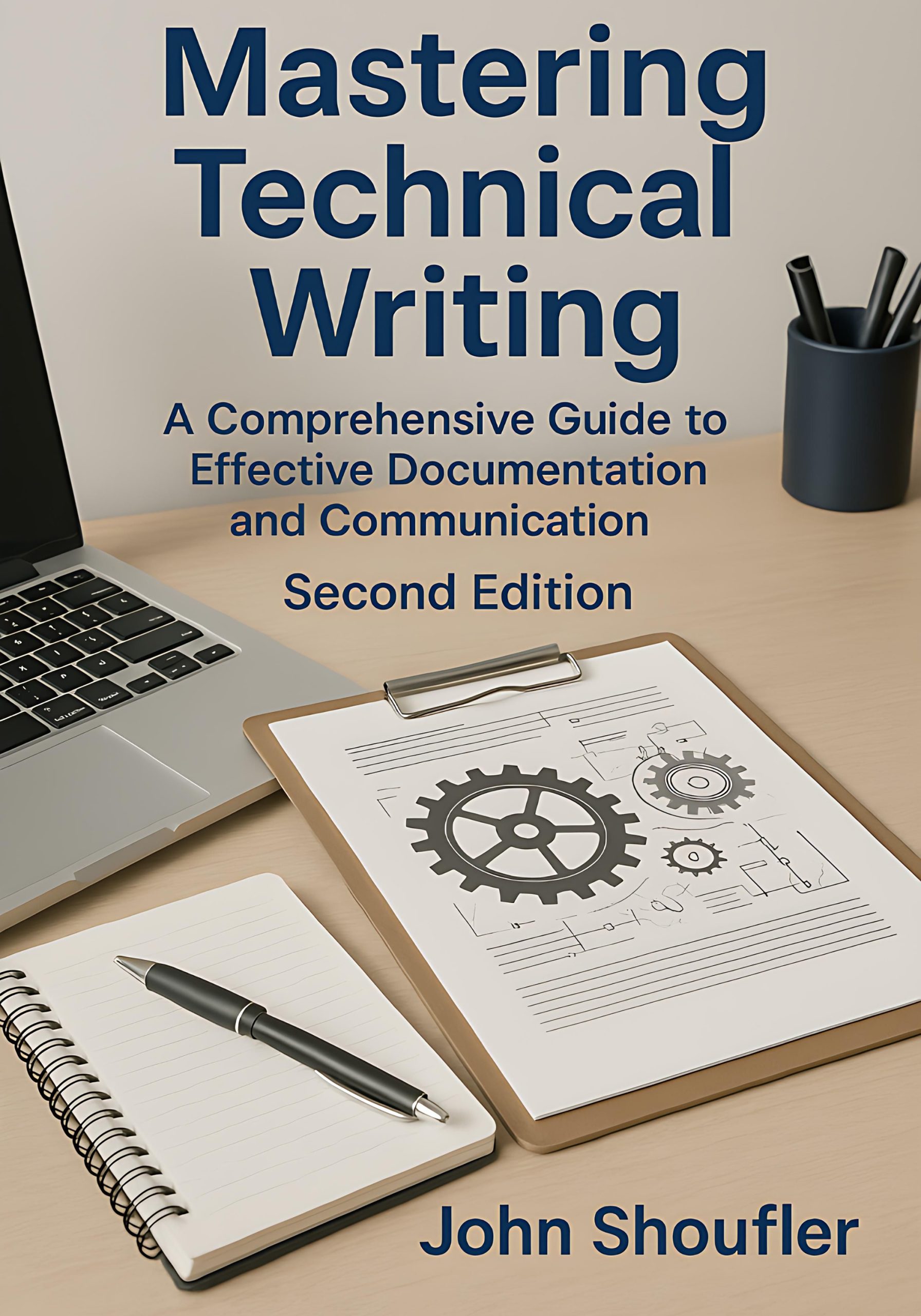
Mastering Technical Writing (2nd Edition) by John Shoufler is a complete, beginner-to-advanced guide — with ready-to-use templates, checklists, and hands-on exercises in every chapter. Learn the craft, build a portfolio, and land the job.
The Benefits of a Technical Writing Course
Enrolling in a technical writing course can offer a structured learning environment that many find beneficial. Courses often provide a clear curriculum and access to experienced instructors who can offer immediate feedback. This can be particularly helpful if you thrive in a classroom setting or need guidance to stay on track. Courses may cover a wide range of topics, from understanding your audience to mastering document design, all within a set timeframe. However, it's crucial to research and choose a course that fits your schedule, budget, and specific learning objectives.
Advantages of Self-Studying with a Book
Opting for a book like 'Mastering Technical Writing (2nd Edition)' by John Shoufler allows for a flexible, self-paced learning experience. Books are often more cost-effective than courses and can be revisited multiple times as your understanding deepens. This particular book provides a beginner-to-advanced guide complete with templates, checklists, and exercises that can serve as a practical resource throughout your career. If you are self-motivated and prefer to learn at your own pace, this option might be well-suited for you.
Combining Both Approaches for Maximum Benefit
For many, the ideal learning path might be a combination of both a technical writing course and a comprehensive guidebook. Courses can provide the structured foundation and immediate feedback that books can't offer, while books can serve as an invaluable reference tool long after the course is over. By integrating both methods, you can reinforce your learning and have a resource to turn to whenever you encounter challenges on the job.
Key Topics Covered in Courses and Books
Whether you choose a course or a book, certain key topics are essential for mastering technical writing. These typically include audience analysis, writing clear and concise instructions, understanding document design and layout, and using tools like style guides. Courses might also include modules on specific software tools, whereas books can offer more detailed exercises and templates to practice these skills. Make sure the resource you choose covers these fundamental areas to get the most out of your learning experience.
Budget Considerations
When deciding between a course and a book, budget is often a significant factor. Online courses can vary greatly in price, ranging from affordable community college classes to more expensive university programs or professional workshops. In contrast, a book like 'Mastering Technical Writing (2nd Edition)' offers a more affordable entry point into the field. Consider what you are willing to invest and what you expect to gain from the investment before making a decision.
Time Commitment
Your available time can also influence your choice. Courses usually have set schedules and deadlines, which can be motivating if you need a structured timeline. On the other hand, a book allows you to study at your own pace, which can be ideal if you have variable availability or prefer to learn at night or during weekends. Understanding your personal time constraints can help you choose the most effective learning method.
Assessing Your Learning Style
Finally, consider your personal learning style. Do you learn better through interactive sessions and immediate feedback, or are you more effective when you have the freedom to explore topics independently? Courses often provide a collaborative environment with opportunities for discussion and peer feedback. In contrast, books allow for in-depth exploration and reflection, enabling you to engage with the material on your own terms. Your personal preferences will play a crucial role in determining the most effective learning path for you.
Frequently Asked Questions
What should I look for in a technical writing course?
Look for a course that offers a comprehensive curriculum covering key topics like audience analysis, document design, and writing clear instructions. Check for qualified instructors and opportunities for feedback.
How can a book help me learn technical writing?
A book can provide a flexible, self-paced learning experience with detailed explanations, templates, and exercises. It serves as a lasting resource for reference throughout your career.
Is it necessary to have a degree to become a technical writer?
While a degree in technical writing or a related field can be beneficial, many technical writers succeed without one by gaining experience, building a strong portfolio, and continuing to learn through books and courses.
How long does it typically take to complete a technical writing course?
Course lengths can vary from a few weeks to several months, depending on the depth of the curriculum and the time commitment required. Always check the course outline and duration before enrolling.
Can I transition into technical writing from another career?
Yes, many technical writers come from diverse backgrounds. Skills like clear communication, attention to detail, and familiarity with technical subjects can help in making a successful transition.
Go from zero to hireable technical writer
Mastering Technical Writing (2nd Edition) by John Shoufler is a complete, beginner-to-advanced guide — with ready-to-use templates, checklists, and hands-on exercises in every chapter. Learn the craft, build a portfolio, and land the job.