
Aspiring technical writers often wonder if obtaining a technical writing certification is a necessary step in their career. While certifications can provide structured learning and validation of skills, they are not the only path to success in this field. This article explores the benefits of certification and offers practical advice for those considering it, including alternative ways to enhance your technical writing skills.

Go from zero to hireable technical writer
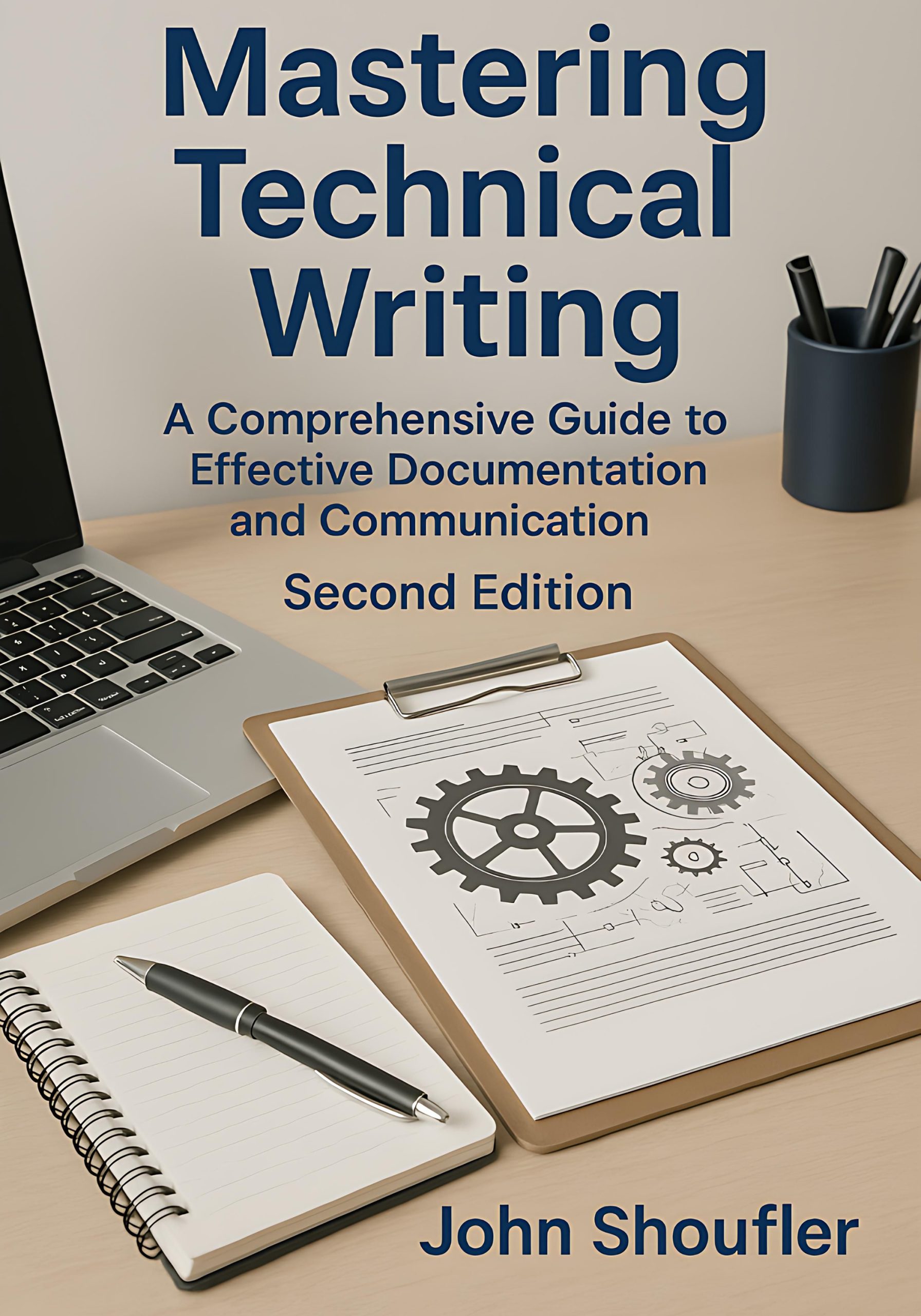
Mastering Technical Writing (2nd Edition) by John Shoufler is a complete, beginner-to-advanced guide — with ready-to-use templates, checklists, and hands-on exercises in every chapter. Learn the craft, build a portfolio, and land the job.
Understanding Technical Writing Certification
A technical writing certification is designed to validate your skills and knowledge in the field. These programs usually cover the essentials of the profession, including documentation types, writing processes, and industry-standard tools. Certifications can be completed through universities, online platforms, or professional organizations. They typically require a combination of coursework, exams, and sometimes project work to demonstrate proficiency.
Benefits of Getting Certified
One of the primary benefits of a technical writing certification is the structured learning environment it provides. This can be particularly helpful for beginners who need guidance on where to start. Certification can also enhance your resume, making you more attractive to employers who value formal credentials. Furthermore, it can offer networking opportunities through alumni groups or professional bodies.
Weighing the Cost and Time Investment
The cost of a technical writing certification can vary widely, often ranging from a few hundred to several thousand dollars, depending on the provider and depth of the program. Consider how this investment fits into your budget and career goals. Additionally, the time commitment can range from a few weeks to several months. It's crucial to balance this with your current responsibilities and career timeline.
Alternatives to Certification
Certification is not the only way to advance in technical writing. Building a strong portfolio, gaining practical experience, and self-study can also be effective. Many successful technical writers have honed their skills through internships, volunteer work, or by contributing to open-source projects. Books like 'Mastering Technical Writing (2nd Edition)' by John Shoufler can provide comprehensive guidance and exercises to enhance your skills without formal certification.
Choosing the Right Certification Program
If you decide to pursue certification, it's important to choose a program that aligns with your career goals and learning style. Research different providers, read reviews, and if possible, speak with alumni to get a sense of the program's reputation and outcomes. Look for programs that offer up-to-date curriculum, experienced instructors, and opportunities for practical application.
Leveraging Certification in Your Career
Once you obtain your certification, leverage it to advance your career by highlighting it in your resume and LinkedIn profile. Use it as a talking point in interviews to demonstrate your commitment to the field and continued professional development. Additionally, engage with the professional community through forums and events to maximize the networking opportunities your certification may offer.
Frequently Asked Questions
Do employers require technical writing certification?
While some employers may prefer candidates with certification, many prioritize practical experience and a strong portfolio. Certification can enhance your qualifications but is not always required.
How long does it take to get certified in technical writing?
The duration varies by program, but most certifications can be completed in a few weeks to several months, depending on the course intensity and your availability.
What are some recognized technical writing certification programs?
Some recognized programs include those offered by the Society for Technical Communication, various universities, and online platforms like Coursera and Udemy. Research each to find one that suits your needs.
Can I become a technical writer without a certification?
Yes, many technical writers succeed without formal certification. Building a robust portfolio, gaining experience, and self-study are effective ways to enter and advance in the field.
What should I look for in a technical writing certification program?
Look for programs with a comprehensive curriculum, experienced instructors, and positive reviews from alumni. Consider the program's alignment with your career goals and the opportunities it offers for practical application.
Go from zero to hireable technical writer
Mastering Technical Writing (2nd Edition) by John Shoufler is a complete, beginner-to-advanced guide — with ready-to-use templates, checklists, and hands-on exercises in every chapter. Learn the craft, build a portfolio, and land the job.