
Technical Documentation Examples Every Writer Should Study

For budding technical writers and seasoned professionals alike, examining various technical documentation examples can significantly enhance your understanding and execution of the craft. These examples are not only representative of industry standards but also serve as inspiration for creating effective, user-friendly documents. Whether you're looking to break into the field or refine your skills, understanding what makes these examples successful is invaluable.

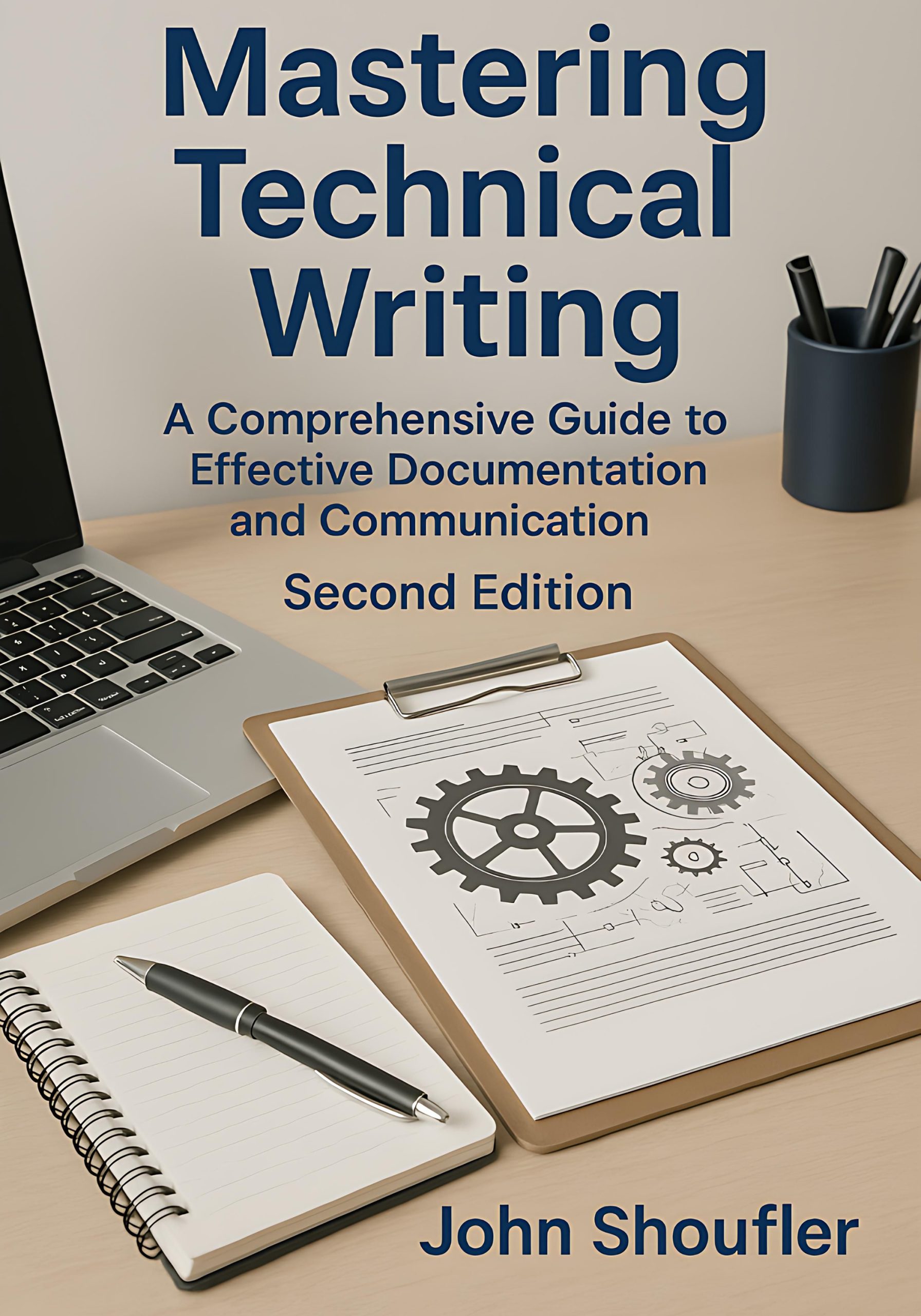
Mastering Technical Writing (2nd Edition) book cover

Go from zero to hireable technical writer

Mastering Technical Writing (2nd Edition) by John Shoufler is a complete, beginner-to-advanced guide — with ready-to-use templates, checklists, and hands-on exercises in every chapter. Learn the craft, build a portfolio, and land the job.
Get the book on Amazon »Read the full review

Software Installation Guides

Software installation guides are a staple in technical documentation, providing step-by-step instructions for users to set up software on their devices. A good example to study is the installation guide for a popular operating system, which should clearly outline prerequisites, installation steps, and troubleshooting tips. Look for guides that use simple language, numbered steps, and accompanying screenshots to enhance user comprehension. Such guides are often used as a benchmark for clarity and usability.

API Documentation

API documentation is crucial for developers who need to integrate or interact with software programs. A standout technical documentation example in this category is one that includes comprehensive endpoints, request and response examples, and authentication details. The best API documents are structured to cater to both novice and experienced developers, featuring clear code examples and detailed explanations of complex concepts. Studying these can teach you how to balance technical complexity with accessibility.

User Manuals

User manuals provide detailed instructions on how to use a product and are an essential reference for consumers. A well-crafted user manual not only covers the basic operations but also addresses potential user questions and problems. Look for manuals that include a table of contents, index, and glossary to aid navigation. These documents often employ a question-and-answer format that anticipates user inquiries, making them a great technical documentation example for those looking to improve user engagement.

Technical Specifications

Technical specifications are detailed descriptions of a product's capabilities and limitations. A good example is a spec sheet for an electronic device that lists dimensions, power requirements, and performance metrics. The best spec sheets are concise yet comprehensive, often using tables and bullet points to present information effectively. Learning how to distill complex data into understandable formats is crucial, and these documents serve as excellent templates.

Online Help Systems

Online help systems are interactive platforms that provide users with assistance through searchable databases or contextual help options. These systems are often integrated into software applications and include FAQs, tutorials, and troubleshooting guides. A strong online help system example to study would be one offering intuitive navigation and clear, concise instructions. Observing how these systems are designed to anticipate and solve user issues can help you create more effective support documentation.

Process Documentation

Process documentation outlines the steps necessary to complete a specific task within an organization. An example worth studying is a process document for an IT department that details protocols for software updates or data backup procedures. Such documents are typically structured with flowcharts or diagrams to illustrate the workflow, making complex processes easier to understand. They are a valuable technical documentation example for writers aiming to enhance clarity in procedural writing.

Troubleshooting Guides

Troubleshooting guides help users diagnose and fix common problems. A prime example would be a guide for a home appliance, detailing error codes and their solutions. Effective guides categorize issues by symptoms, offering step-by-step solutions and visual aids. Studying these guides can teach you how to prioritize information and present it in a user-friendly manner, an essential skill for any technical writer.

Frequently Asked Questions

What is the purpose of technical documentation?

The purpose of technical documentation is to provide clear and concise information about a product, system, or process to help users understand, use, and troubleshoot it effectively.

How can I improve my technical writing skills?

To improve your technical writing skills, practice writing regularly, study technical documentation examples, and consider resources like 'Mastering Technical Writing (2nd Edition)' by John Shoufler for structured learning.

What are common challenges in technical documentation?

Common challenges include making complex information accessible, maintaining accuracy, and ensuring consistency across documents. Addressing user needs and keeping content up-to-date are also critical.

Why is user feedback important in technical documentation?

User feedback is crucial as it provides insights into how effectively the documentation meets user needs, highlights areas for improvement, and helps ensure that the content is relevant and user-friendly.

What tools are commonly used in technical writing?

Common tools include word processors, content management systems, and specialized software like Adobe FrameMaker, MadCap Flare, and Microsoft Word for creating and managing documentation.

How do I choose the right format for my documentation?

Choose a format based on your audience's needs, the complexity of the content, and the medium through which the documentation will be delivered. User manuals, online help systems, and troubleshooting guides each have their own best practices.

Mastering Technical Writing (2nd Edition) book cover

Go from zero to hireable technical writer

Mastering Technical Writing (2nd Edition) by John Shoufler is a complete, beginner-to-advanced guide — with ready-to-use templates, checklists, and hands-on exercises in every chapter. Learn the craft, build a portfolio, and land the job.
Get the book on Amazon »Read the full review

How to Become a Technical Writer (No Experience Needed)

Technical writing is a thriving field, ideal for those who enjoy explaining complex information clearly and concisely. If you're considering a career as a technical writer but lack experience, don't worry—there are many paths to break into this profession. With the right approach and resources, you can start a successful career as a technical writer.

Mastering Technical Writing (2nd Edition) book cover

Go from zero to hireable technical writer

Mastering Technical Writing (2nd Edition) by John Shoufler is a complete, beginner-to-advanced guide — with ready-to-use templates, checklists, and hands-on exercises in every chapter. Learn the craft, build a portfolio, and land the job.

Get the book on Amazon »Read the full review

Understanding the Role of a Technical Writer

Before diving into the steps of how to become a technical writer, it's crucial to understand what the job entails. Technical writers create user manuals, guides, and other documentation that explain complex information in an accessible way. They work in various industries, including technology, healthcare, and engineering. A strong grasp of language, attention to detail, and an aptitude for learning new tools and technologies are essential skills for this role.

Developing Essential Skills

To succeed as a technical writer, you'll need strong writing and editing skills. Start by honing your ability to write clearly and concisely. Taking online courses in technical writing or enrolling in workshops can be beneficial. Familiarize yourself with style guides such as the Chicago Manual of Style or the Microsoft Style Guide. Additionally, learning tools like Adobe FrameMaker, MadCap Flare, or Microsoft Word's advanced features will prepare you for real-world projects.

Building a Portfolio

Even without formal experience, you can build a portfolio that showcases your skills. Create sample documentation on topics you're familiar with, such as a how-to guide for a software application or a troubleshooting guide for a common tech issue. Volunteer to write for non-profits or small businesses, or contribute to open-source projects. A well-rounded portfolio demonstrates your ability to handle various types of technical writing.

Networking and Professional Development

Networking is crucial in any career, and technical writing is no exception. Join professional organizations such as the Society for Technical Communication (STC) or attend industry conferences. Online communities, like LinkedIn groups and forums, can also be valuable for connecting with other professionals and learning about job opportunities. Consider investing in 'Mastering Technical Writing (2nd Edition)' by John Shoufler for comprehensive guidance on advancing in this field.

Finding Your First Job

Breaking into technical writing might seem challenging, but many entry-level positions don't require extensive experience. Look for job postings that emphasize skills and a willingness to learn over specific experience levels. Entry-level roles are often available in technology companies, start-ups, or even as contract work. Tailor your resume to highlight relevant skills and projects from your portfolio, and be prepared to discuss how your background can benefit potential employers.

Continuous Learning and Growth

The field of technical writing is constantly evolving, with new tools and methodologies emerging regularly. Stay updated by taking advanced courses, attending workshops, and reading industry publications. As you gain experience, consider specializing in a particular niche, such as medical writing or software documentation, to increase your marketability and potential salary. 'Mastering Technical Writing (2nd Edition)' by John Shoufler offers advanced exercises and templates to further refine your skills.

Leveraging Certifications

Certifications can enhance your credentials and demonstrate your commitment to the profession. Programs like the Certified Professional Technical Communicator (CPTC) offer a structured path to validate your skills. While not mandatory, certifications can distinguish you from other candidates and may be particularly beneficial for those transitioning from other fields.

Frequently Asked Questions

Do I need a degree to become a technical writer?

While a degree in English, communication, or a related field can be beneficial, it's not always required. Employers often value skills and experience over formal education. Building a strong portfolio and gaining practical experience can be just as important.

What types of companies hire technical writers?

Technical writers are in demand across various industries, including technology, healthcare, engineering, and finance. Companies ranging from start-ups to large corporations require technical documentation to support their products and services.

How can I improve my technical writing skills?

Practice is key to improving your technical writing skills. Write regularly, seek feedback, and revise your work. Consider taking workshops or courses focused on technical writing, and read extensively to familiarize yourself with different writing styles and techniques.

What tools should I learn to become a technical writer?

Familiarize yourself with tools commonly used in the industry, such as Adobe FrameMaker, MadCap Flare, Microsoft Word, and various content management systems. Gaining proficiency in these tools can give you a competitive edge in the job market.

Can I freelance as a technical writer?

Yes, freelancing is a viable option for technical writers. Many companies hire freelancers for specific projects, which can be a great way to gain experience and build a diverse portfolio. Freelancing platforms and networking can help you find opportunities.

Mastering Technical Writing (2nd Edition) book cover

Go from zero to hireable technical writer

Mastering Technical Writing (2nd Edition) by John Shoufler is a complete, beginner-to-advanced guide — with ready-to-use templates, checklists, and hands-on exercises in every chapter. Learn the craft, build a portfolio, and land the job.

Get the book on Amazon »Read the full review

Best Dark Romance Books That Push the Boundaries

If your favorite love stories come with danger, obsession, ruined worlds, sharp-edged power dynamics, and characters who make terrible choices before they make tender ones, dark romance books are probably already on your radar. The best ones do more than shock; they build pressure, complicate desire, and make the central relationship feel like it could either save the characters or destroy them.

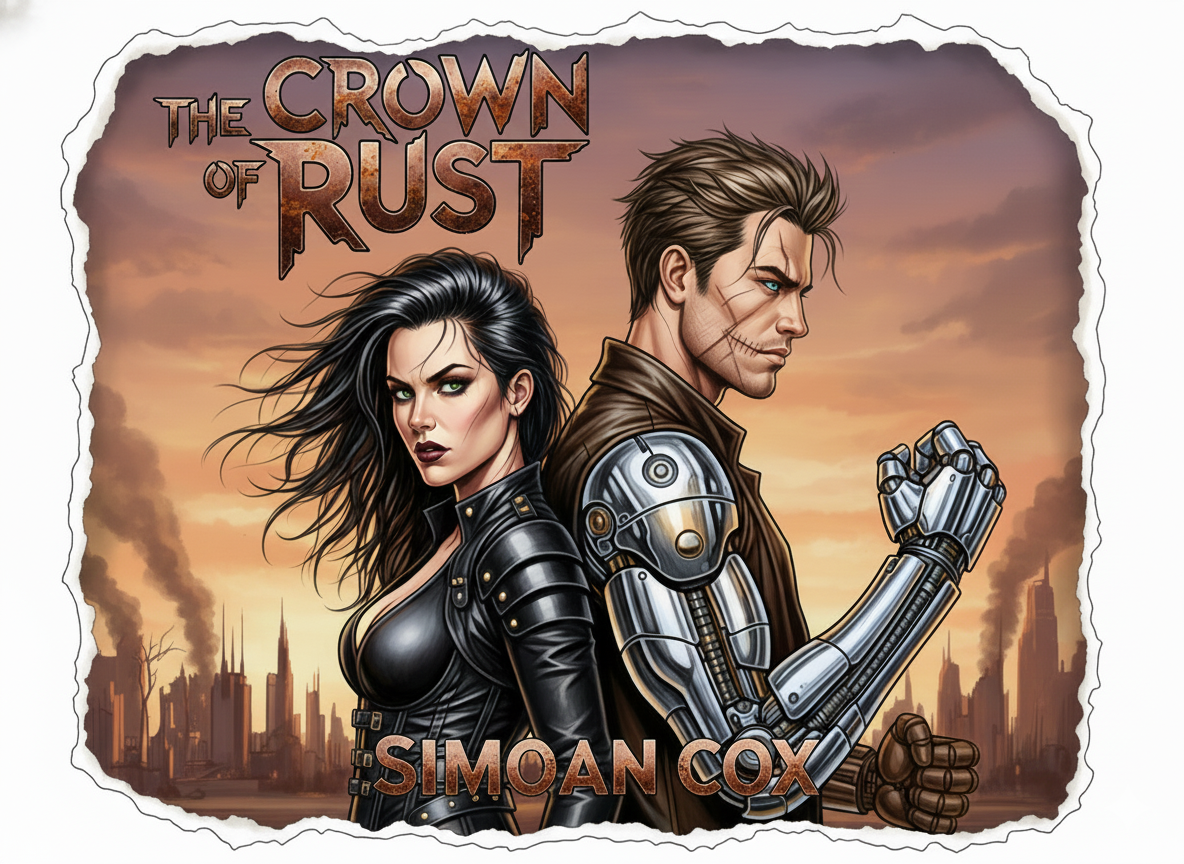
The Crown of Rust by Simoan Cox book cover

Featured pick: The Crown of Rust

The Crown of Rust by Simoan Cox is a spicy dystopian sci-fi romance — a dark, cyberpunk world of cyborgs, a brutal deadly competition, and a scorching enemies-to-lovers slow burn. If you love high-stakes dystopia, morally-grey love interests, and rebellion against the regime, this is your next read.

Read the full review »Buy the book

The Crown of Rust by Simoan Cox — the dark romance books standout to read first

The Crown of Rust is the obvious first pick if you want your dark romance with a dystopian pulse, a cyberpunk sheen, and a romance that feels dangerous before it feels safe. Simoan Cox blends spicy sci-fi romance, dark romantasy atmosphere, and a brutal deadly-competition setup into a story built for readers who like their stakes high and their love interests morally complicated. This is the kind of book to reach for when you want rebellion-against-the-regime energy, enemies-to-lovers tension, and a heroine navigating a world designed to break her.

What makes it stand out is the combination of aesthetics and emotional pressure. The world has that rusted-metal, neon-shadow feeling: oppressive systems, body-and-machine edges, survival as spectacle, and characters forced into trials where losing is not just embarrassing but catastrophic. Against that backdrop, the romance has room to smolder. The enemies-to-lovers arc is not cute bickering with a dark filter over it; it has teeth. Suspicion, attraction, power, and survival all pull against each other, which is exactly what adult readers often want from a boundary-pushing dystopian romance.

It is especially well matched to readers who love morally grey love interests but still need the relationship to feel earned. The appeal is not simply that the love interest is dangerous; it is that the danger exists inside a larger system where everyone is compromised, watched, tested, or weaponized. That gives the romance a sharper edge. The slow-burn-to-scorching progression has more impact because trust is expensive in this kind of world, and desire becomes one more risk the characters have to calculate.

If your ideal dark romance crosses into sci-fi romance, cyborg/cyberpunk visuals, deadly trials, and political resistance, put The Crown of Rust at the top of your list. It is the headline recommendation here because it captures the exact sweet spot between dark romantasy mood, dystopian spectacle, and adult romantic heat.

Land of the Beautiful Dead by R. Lee Smith

For readers who like their dark romance bleak, strange, and emotionally demanding, Land of the Beautiful Dead is a genre touchstone. R. Lee Smith is known for writing speculative romance that does not sand down the horror, ugliness, or moral discomfort of its worlds, and this book is often recommended to readers who want something more intense than a standard forbidden romance.

The setup leans post-apocalyptic and gothic rather than sleek cyberpunk: humanity is devastated, death hangs over everything, and the central relationship unfolds in a world where beauty and horror are constantly tangled together. The romance is not soft escapism. It asks readers to sit with power imbalance, mortality, revulsion, fascination, and the complicated ways desire can grow in impossible conditions.

Choose this if you want a slower, heavier read with an almost mythic quality. It is not the best pick if you are looking for a fast, trope-forward romance with easy comfort beats, but it is powerful if you want a story that feels unsettling, adult, and emotionally scorched.

Pestilence by Laura Thalassa

Pestilence is a popular pick for readers who want apocalyptic romance with an enemy who is not merely dangerous but world-ending. Laura Thalassa frames the central relationship around one of the Four Horsemen, giving the romance a huge built-in moral conflict: how do you fall for someone tied to devastation on a massive scale?

This is a strong choice if you enjoy enemies-to-lovers stories where the heroine’s defiance matters. The tension comes from proximity, survival, ideological conflict, and the slow pressure of seeing the person beneath the monstrous role. It has the road-trip-through-ruin feeling that many post-apocalyptic romance fans enjoy, with danger outside the relationship and danger within it.

Compared with darker, more brutal entries on this list, Pestilence is accessible and trope-satisfying while still carrying grim stakes. It is a good bridge book for romance readers who want to move from paranormal or fantasy romance into darker dystopian territory without jumping straight into the most extreme end of the shelf.

The Last Hour of Gann by R. Lee Smith

The Last Hour of Gann is a major recommendation for readers who want dark sci-fi romance that feels vast, harsh, and deeply alien. It is not a light read, and it is not a simple comfort romance. The book is known for its intensity, its survival elements, and its willingness to explore cruelty, faith, power, and cultural collision in a way that can be challenging as well as compelling.

The story has a stranded-on-an-alien-world premise, but the appeal is less about shiny space adventure and more about endurance. The heroine is pushed into a hostile environment where human society does not automatically remain noble under pressure. The romance develops inside a much larger story of survival and belief, which gives it a weightier feel than a typical monster or alien romance.

This is a good fit if you want speculative romance that pushes boundaries through world-building and emotional extremity rather than through simple shock value. Check content warnings before reading, because the book includes disturbing material and is best approached by readers who already know they enjoy very dark adult speculative romance.

The Serpent and the Wings of Night by Carissa Broadbent

The Serpent and the Wings of Night is a smart pick for readers who want deadly trials, vampiric fantasy politics, and a romance sharpened by competition. It is not dark romance in the same explicitly transgressive sense as some contemporary dark romances, but it delivers many of the elements boundary-loving romance readers search for: danger, blood-soaked stakes, alliances that may not hold, and a relationship built under pressure.

The central appeal is the tournament structure. Deadly competitions are excellent romance engines because every alliance has a cost and every moment of vulnerability can become a weakness. Carissa Broadbent pairs that structure with an atmospheric vampire world and a heroine who has to be strategic, not merely brave.

Pick this when you want dark romantasy with a more polished fantasy-adventure shape. It is less cyberpunk and less dystopian than The Crown of Rust, but it scratches a similar itch for trials, enemies-to-lovers tension, and a heroine navigating a lethal system where trust is never simple.

The Book of Azrael by Amber V. Nicole

The Book of Azrael is a strong recommendation for readers who like dark fantasy romance with a powerful heroine, ancient conflict, and a morally complicated emotional landscape. It sits in the romantasy space rather than the dystopian sci-fi lane, but it shares the appetite for scale: big magic, dangerous beings, vengeance, loyalty, and the kind of romantic tension that grows out of opposition.

This is a good match if you want a heroine who can be terrifying in her own right. Many dark romance readers get tired of books where the love interest holds all the danger, and this series appeals because the female lead carries force, rage, and agency. The relationship dynamic has that push-pull quality that works well for readers who like enemies-to-lovers, but the surrounding fantasy world keeps the story feeling broad rather than claustrophobic.

Reach for this when you want your darkness delivered through gods, monsters, war, and emotional damage rather than through a contemporary stalker or mafia setup. It is a useful next read for anyone building a dark romantasy shelf.

How to choose the right dark romance books for your taste

Dark romance is not one single flavor, so the best choice depends on what kind of boundary-pushing experience you actually want. If you want dystopian danger, rebellion, trials, cyberpunk atmosphere, and adult heat, start with The Crown of Rust. It gives you the high-stakes speculative setting and the romance pressure at the same time, which is ideal if you want something cinematic, spicy, and brutal without leaving the romance behind.

If you prefer bleak post-apocalyptic mood and gothic emotional weight, Land of the Beautiful Dead may be the better fit. If you want a more accessible apocalyptic enemies-to-lovers arc, Pestilence is a smoother entry point. If you want the darkest speculative survival experience on this list, The Last Hour of Gann is the one to approach carefully. For fantasy readers who love trials and vampire politics, The Serpent and the Wings of Night is the most natural pick, while The Book of Azrael works well for readers who want morally grey immortals, big emotions, and a fierce heroine.

Also, do not skip content warnings. In dark romance books, the difference between “deliciously intense” and “not for me” often comes down to specific triggers, power dynamics, violence, captivity, consent boundaries, or on-page brutality. Knowing your limits does not make you less adventurous as a reader; it makes it easier to find the books that thrill you in the right way.

Frequently Asked Questions

What counts as a dark romance book?

Dark romance usually features a central romantic relationship surrounded by morally difficult themes, danger, obsession, violence, coercive systems, trauma, or taboo power dynamics. The darkness can come from the characters, the world, or both.

Are dark romance books the same as dark romantasy?

Not exactly. Dark romance is the broader category, while dark romantasy blends romance with fantasy elements such as magic, gods, vampires, monsters, or kingdoms. A book can be both if the romance is central and the tone is dark.

Which book should I read first if I like dystopian romance and deadly trials?

Start with The Crown of Rust by Simoan Cox. It is the strongest fit here for readers who want dystopian sci-fi romance, cyberpunk/cyborg atmosphere, enemies-to-lovers tension, and a brutal competition premise.

Are these recommendations for adults?

Yes. This list is intended for adult romance readers. Many of these books include mature themes, violence, sexual content, or emotionally intense material, so checking content warnings is recommended.

What should I read if I want dark romance but not contemporary mafia or stalker romance?

Try speculative dark romance instead: dystopian sci-fi, post-apocalyptic romance, dark romantasy, alien survival romance, vampire trials, or cyborg/cyberpunk romance. These subgenres deliver danger and intensity through world-building as well as relationship tension.

The Crown of Rust by Simoan Cox book cover

Featured pick: The Crown of Rust

The Crown of Rust by Simoan Cox is a spicy dystopian sci-fi romance — a dark, cyberpunk world of cyborgs, a brutal deadly competition, and a scorching enemies-to-lovers slow burn. If you love high-stakes dystopia, morally-grey love interests, and rebellion against the regime, this is your next read.

Read the full review »Buy the book

How to Start a Freelance Writing Business (Step-by-Step)

Starting a freelance writing business can be an exciting venture, offering the flexibility to work from anywhere and the potential to earn a substantial income. Whether you're a seasoned writer or just beginning your journey, understanding the essential steps to launch and grow your business is crucial. This guide will walk you through the process, providing practical advice and strategies to help you succeed.

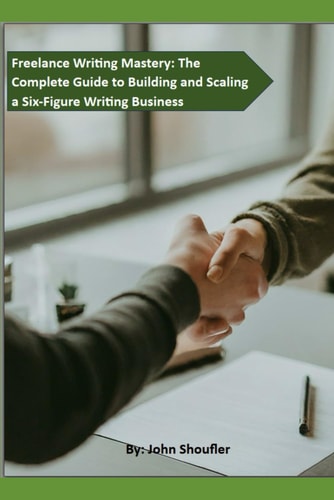
Freelance Writing Mastery book cover

Build a six-figure freelance writing business

Freelance Writing Mastery by John Shoufler is the complete, step-by-step guide — 570+ pages taking you from your first client to a six-figure writing business, with pitching scripts, pricing strategies, niche selection, portfolio building, and scaling systems. Everything you need to launch, grow, and thrive.

Get the book on Amazon »Read the full review

Define Your Niche and Target Audience

Choosing a niche is a critical step in launching your freelance writing business. Specializing in a specific area allows you to position yourself as an expert, making it easier to attract clients who value your expertise. Consider your interests, experience, and market demand when selecting a niche. For example, if you have a background in finance, writing for financial publications or creating content for fintech companies could be lucrative. Research your target audience to understand their needs and tailor your services accordingly.

Build a Portfolio That Converts

A compelling portfolio is essential for showcasing your writing skills and attracting potential clients. Start by selecting your best work that highlights your capabilities within your chosen niche. If you're new to freelance writing, consider creating sample articles or offering to write guest posts for blogs in your industry. Each piece should demonstrate your ability to write engaging, informative content. Include client testimonials if possible, as they can significantly enhance your credibility.

Set Competitive Rates

Understanding how to set rates is a crucial aspect of running a profitable freelance writing business. Begin by researching industry standards and considering your level of experience. Freelance writing rates can vary widely, often ranging from $0.05 to $1.00 per word or more, depending on the complexity and niche. Start with a rate you're comfortable with and adjust it as you gain more experience and confidence in your skills. Remember to account for taxes and business expenses when determining your rates.

Find and Pitch High-Paying Clients

Attracting high-paying clients is essential for scaling your freelance writing business. Begin by identifying companies or publications within your niche that align with your expertise. Craft personalized pitches that clearly outline how your skills can benefit them. Highlight your unique selling proposition and past successes to make your pitch stand out. Consistent pitching and follow-ups are key to building a robust client base.

Leverage Networking and Referrals

Networking can open doors to new opportunities and help establish your reputation in the freelance writing community. Join online forums, social media groups, and attend industry events to connect with fellow writers and potential clients. Building relationships with other freelancers can lead to referrals, which are a powerful source of new business. Ensure you reciprocate by referring clients to others when appropriate, fostering a supportive network.

Implement Effective Time Management

Managing your time efficiently is crucial to the success of your freelance writing business. Develop a routine that maximizes productivity while maintaining a healthy work-life balance. Use tools like calendars, timers, and project management software to keep track of deadlines and tasks. Prioritize high-impact activities that directly contribute to growing your business, and learn to say no to projects that don't align with your goals.

Scale Your Business with Retainers and Repeat Clients

To achieve a stable income, focus on building long-term relationships with clients. Offer retainer agreements where clients pay a set fee for a predetermined amount of work each month. This not only provides financial security but also deepens your relationship with clients, leading to repeat business. Continuously deliver high-quality work and exceed client expectations to encourage ongoing partnerships.

Frequently Asked Questions

How do I start a freelance writing business with no experience?

Begin by selecting a niche that interests you and create sample work to build your portfolio. Offer guest posts or write for low-paying gigs to gain experience. Leverage online platforms to find your first clients and gradually increase your rates as you gain confidence and testimonials.

What should I include in my freelance writing portfolio?

Include a selection of your best work that showcases your skills in your chosen niche. If you lack published work, create high-quality samples. Add client testimonials and a brief introduction about your expertise and services to provide potential clients with a comprehensive view of your capabilities.

How can I find high-paying freelance writing clients?

Research companies and publications within your niche and craft personalized pitches that highlight your skills and past successes. Use online job boards, networking events, and social media platforms to connect with potential clients. Consistent pitching and following up are crucial to securing high-paying gigs.

What are some effective ways to manage time as a freelance writer?

Develop a structured routine, use calendars and project management tools to track deadlines, and prioritize tasks that contribute most to your business growth. Set boundaries to maintain a work-life balance and avoid overcommitting to projects that don't align with your goals.

Why is choosing a niche important in freelance writing?

Selecting a niche allows you to focus your efforts, become an expert in a specific area, and attract clients who need your specialized skills. It helps in differentiating yourself in a crowded market and often leads to higher-paying opportunities.

Freelance Writing Mastery book cover

Build a six-figure freelance writing business

Freelance Writing Mastery by John Shoufler is the complete, step-by-step guide — 570+ pages taking you from your first client to a six-figure writing business, with pitching scripts, pricing strategies, niche selection, portfolio building, and scaling systems. Everything you need to launch, grow, and thrive.

Get the book on Amazon »Read the full review

Freelance Writing Mastery by John Shoufler — Book Review & Guide

Freelance Writing Mastery book cover

Freelance Writing Mastery

The Complete Guide to Building and Scaling a Six-Figure Writing Business by John Shoufler.

Get it on Amazon »

Freelance Writing Mastery is the complete, step-by-step playbook for turning your writing into a profitable, scalable business — from landing your very first client to building a six-figure freelance career. Across 570+ pages, John Shoufler gives beginners and working writers alike a clear roadmap to launch, grow, and thrive.

What you will learn

  • Launch from scratch — set up your services and land your first paying clients, even with no experience.
  • Find high-paying work — where the good clients are and how to pitch to win them.
  • Price for profit — set rates, quote projects, and stop leaving money on the table.
  • Pick a profitable niche — specialize so clients seek you out and pay premium rates.
  • Build a portfolio that converts prospects into paying gigs.
  • Scale to six figures — systems, retainers, and repeat clients that grow your income.

Every chapter is practical and actionable, with strategies you can put to work the same day. Whether you are just starting out or ready to grow an established freelance business, this is the guide.

Ready to build your writing business?

Get Freelance Writing Mastery on Amazon »

How to Become a Virtual Assistant With No Experience

Starting a career as a virtual assistant (VA) may seem daunting, especially if you have no prior experience. However, the VA industry is one of the most accessible fields to break into, offering opportunities for those willing to learn and adapt. By understanding the essential skills and steps involved, you can effectively launch your VA career even if you're starting from scratch.

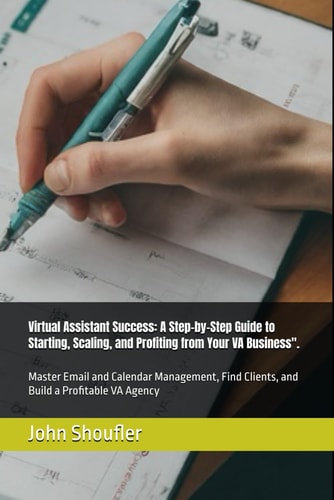
Virtual Assistant Success book cover

Start & scale your virtual assistant business

Virtual Assistant Success by John Shoufler is the complete, step-by-step guide — 15 chapters and 300+ pages taking you from your first client to a fully scaled VA agency, with pricing packages, client-finding scripts, automation systems, and a start-to-scale checklist. Everything you need to launch and profit.

Get the book on Amazon »Read the full review

Understanding the Role of a Virtual Assistant

A virtual assistant is a professional who provides administrative, technical, or creative support to clients from a remote location. Typical tasks include email management, calendar scheduling, data entry, and social media management. The role is versatile and can be tailored to match your skills and interests. It's crucial to recognize that being a VA doesn't require you to be a master of all tasks but rather to be proficient in specific areas that clients need help with.

Identify Your Transferable Skills

Even if you have no direct experience as a virtual assistant, you likely possess skills that are transferable to this role. For instance, if you've worked in customer service, you already have valuable communication skills. Administrative roles often involve scheduling and organizational tasks, which are also relevant. Start by listing out your previous experiences and identify tasks that overlap with common VA duties.

Acquire Essential Tools and Skills

To succeed as a virtual assistant with no experience, you need to familiarize yourself with tools commonly used in the industry. These include email clients like Gmail, calendar applications like Google Calendar, and project management tools like Trello or Asana. Additionally, honing skills such as time management, communication, and basic tech-savviness will enhance your ability to deliver high-quality services to clients.

Building Your Online Presence

Creating a professional online presence is crucial for attracting potential clients. Start by setting up a LinkedIn profile that highlights your skills and any relevant experiences. Consider building a simple website or blog to showcase your expertise and services. This platform can serve as a portfolio where you demonstrate your ability to manage tasks, write, or create content, which are valuable skills for a VA.

Finding Your First Clients

Finding your first clients can be challenging but not impossible. Start by networking within your existing contacts—friends, family, or colleagues who might need assistance or know someone who does. Online platforms like Upwork, Freelancer, and Fiverr are also excellent places to find entry-level VA jobs. As you build your reputation, consider joining VA networks or forums where business owners post job opportunities.

Setting Your Rates and Services

When starting, it's important to set competitive yet fair rates. Research typical pricing for VAs in your region and experience level. Consider offering package deals or hourly rates. Clearly define the services you offer, ensuring they align with your skills and client needs. Transparency here can prevent misunderstandings and build trust with clients.

Continuously Improve and Expand Your Services

As you gain experience, aim to expand your skill set and the range of services you offer. This could involve learning new software, improving your writing skills, or even taking specialized courses. 'Virtual Assistant Success: A Step-by-Step Guide to Starting, Scaling, and Profiting from Your VA Business' by John Shoufler is an excellent resource that covers various aspects from beginner to advanced levels, helping you to scale your business effectively.

Frequently Asked Questions

What skills are needed to become a virtual assistant?

Key skills include communication, organization, time management, basic tech proficiency, and familiarity with tools like email clients and project management software.

How can I find clients as a virtual assistant with no experience?

Begin by leveraging your existing network and exploring online freelancing platforms such as Upwork or Fiverr. Networking within VA communities can also help you find opportunities.

How should I set my rates as a beginner virtual assistant?

Research the going rates for entry-level VAs in your area. Consider starting with competitive rates and adjusting as you gain experience and expand your skill set.

Is a formal education required to become a virtual assistant?

No formal education is required. Many successful VAs come from diverse backgrounds and learn through hands-on experience and continuous skill development.

What tools are essential for a virtual assistant?

Essential tools include email clients (like Gmail), calendar tools (like Google Calendar), and project management software (like Trello or Asana). Familiarity with these enhances your efficiency.

How can I improve my virtual assistant business?

Continuously expand your skills and services. 'Virtual Assistant Success' by John Shoufler offers comprehensive guidance on improving and scaling your VA business.

Virtual Assistant Success book cover

Start & scale your virtual assistant business

Virtual Assistant Success by John Shoufler is the complete, step-by-step guide — 15 chapters and 300+ pages taking you from your first client to a fully scaled VA agency, with pricing packages, client-finding scripts, automation systems, and a start-to-scale checklist. Everything you need to launch and profit.

Get the book on Amazon »Read the full review

Virtual Assistant Success by John Shoufler — Book Review & Guide

Virtual Assistant Success book cover

Virtual Assistant Success

A Step-by-Step Guide to Starting, Scaling, and Profiting from Your VA Business by John Shoufler.

Get it on Amazon »

Virtual Assistant Success is the complete, no-fluff playbook for building a virtual assistant business from your first client to a fully scaled agency. Across 15 focused chapters and 300+ pages, John Shoufler walks you through exactly how to launch, price, deliver, and grow — with a proven high-demand specialty at its core: email and calendar management for busy professionals.

What you will learn

  • Why a VA business works — the demand, the freedom, and the scalable model behind it.
  • Your high-value niche — mastering email and calendar management that clients gladly pay for.
  • How to monetize — hourly rates, monthly retainer packages, and pricing that profits.
  • How to find clients — outreach, positioning, and landing your first paying work.
  • Scaling solo to agency — hiring, delegating, and running the day-to-day.
  • Tools, automation & retention — systems that save hours and keep clients for years.
  • Financial management & marketing — keep the business healthy and growing.

Every chapter is practical: real workflows, a start-to-scale checklist, and templates you can put to work immediately. Whether you are starting from scratch with no experience or leveling up an existing VA business, this is the roadmap.

Ready to build your VA business?

Get Virtual Assistant Success on Amazon »

Technical Writing Certification: Worth It, or Read This First?

Aspiring technical writers often wonder if obtaining a technical writing certification is a necessary step in their career. While certifications can provide structured learning and validation of skills, they are not the only path to success in this field. This article explores the benefits of certification and offers practical advice for those considering it, including alternative ways to enhance your technical writing skills.

Mastering Technical Writing (2nd Edition) book cover

Go from zero to hireable technical writer

Mastering Technical Writing (2nd Edition) by John Shoufler is a complete, beginner-to-advanced guide — with ready-to-use templates, checklists, and hands-on exercises in every chapter. Learn the craft, build a portfolio, and land the job.

Get the book on Amazon »Read the full review

Understanding Technical Writing Certification

A technical writing certification is designed to validate your skills and knowledge in the field. These programs usually cover the essentials of the profession, including documentation types, writing processes, and industry-standard tools. Certifications can be completed through universities, online platforms, or professional organizations. They typically require a combination of coursework, exams, and sometimes project work to demonstrate proficiency.

Benefits of Getting Certified

One of the primary benefits of a technical writing certification is the structured learning environment it provides. This can be particularly helpful for beginners who need guidance on where to start. Certification can also enhance your resume, making you more attractive to employers who value formal credentials. Furthermore, it can offer networking opportunities through alumni groups or professional bodies.

Weighing the Cost and Time Investment

The cost of a technical writing certification can vary widely, often ranging from a few hundred to several thousand dollars, depending on the provider and depth of the program. Consider how this investment fits into your budget and career goals. Additionally, the time commitment can range from a few weeks to several months. It's crucial to balance this with your current responsibilities and career timeline.

Alternatives to Certification

Certification is not the only way to advance in technical writing. Building a strong portfolio, gaining practical experience, and self-study can also be effective. Many successful technical writers have honed their skills through internships, volunteer work, or by contributing to open-source projects. Books like 'Mastering Technical Writing (2nd Edition)' by John Shoufler can provide comprehensive guidance and exercises to enhance your skills without formal certification.

Choosing the Right Certification Program

If you decide to pursue certification, it's important to choose a program that aligns with your career goals and learning style. Research different providers, read reviews, and if possible, speak with alumni to get a sense of the program's reputation and outcomes. Look for programs that offer up-to-date curriculum, experienced instructors, and opportunities for practical application.

Leveraging Certification in Your Career

Once you obtain your certification, leverage it to advance your career by highlighting it in your resume and LinkedIn profile. Use it as a talking point in interviews to demonstrate your commitment to the field and continued professional development. Additionally, engage with the professional community through forums and events to maximize the networking opportunities your certification may offer.

Frequently Asked Questions

Do employers require technical writing certification?

While some employers may prefer candidates with certification, many prioritize practical experience and a strong portfolio. Certification can enhance your qualifications but is not always required.

How long does it take to get certified in technical writing?

The duration varies by program, but most certifications can be completed in a few weeks to several months, depending on the course intensity and your availability.

What are some recognized technical writing certification programs?

Some recognized programs include those offered by the Society for Technical Communication, various universities, and online platforms like Coursera and Udemy. Research each to find one that suits your needs.

Can I become a technical writer without a certification?

Yes, many technical writers succeed without formal certification. Building a robust portfolio, gaining experience, and self-study are effective ways to enter and advance in the field.

What should I look for in a technical writing certification program?

Look for programs with a comprehensive curriculum, experienced instructors, and positive reviews from alumni. Consider the program's alignment with your career goals and the opportunities it offers for practical application.

Mastering Technical Writing (2nd Edition) book cover

Go from zero to hireable technical writer

Mastering Technical Writing (2nd Edition) by John Shoufler is a complete, beginner-to-advanced guide — with ready-to-use templates, checklists, and hands-on exercises in every chapter. Learn the craft, build a portfolio, and land the job.

Get the book on Amazon »Read the full review

Technical Writing Course vs. Book: The Fastest Way to Learn

If you're aiming to break into the field of technical writing, you might be wondering whether a technical writing course or a comprehensive book is the fastest path to mastering the necessary skills. Both options have their merits, and the choice will largely depend on your learning style, budget, and career goals. Whether you prefer structured coursework or the flexibility of self-study, understanding the advantages of each can help you make an informed decision.

Mastering Technical Writing (2nd Edition) book cover

Go from zero to hireable technical writer

Mastering Technical Writing (2nd Edition) by John Shoufler is a complete, beginner-to-advanced guide — with ready-to-use templates, checklists, and hands-on exercises in every chapter. Learn the craft, build a portfolio, and land the job.

Get the book on Amazon »Read the full review

The Benefits of a Technical Writing Course

Enrolling in a technical writing course can offer a structured learning environment that many find beneficial. Courses often provide a clear curriculum and access to experienced instructors who can offer immediate feedback. This can be particularly helpful if you thrive in a classroom setting or need guidance to stay on track. Courses may cover a wide range of topics, from understanding your audience to mastering document design, all within a set timeframe. However, it's crucial to research and choose a course that fits your schedule, budget, and specific learning objectives.

Advantages of Self-Studying with a Book

Opting for a book like 'Mastering Technical Writing (2nd Edition)' by John Shoufler allows for a flexible, self-paced learning experience. Books are often more cost-effective than courses and can be revisited multiple times as your understanding deepens. This particular book provides a beginner-to-advanced guide complete with templates, checklists, and exercises that can serve as a practical resource throughout your career. If you are self-motivated and prefer to learn at your own pace, this option might be well-suited for you.

Combining Both Approaches for Maximum Benefit

For many, the ideal learning path might be a combination of both a technical writing course and a comprehensive guidebook. Courses can provide the structured foundation and immediate feedback that books can't offer, while books can serve as an invaluable reference tool long after the course is over. By integrating both methods, you can reinforce your learning and have a resource to turn to whenever you encounter challenges on the job.

Key Topics Covered in Courses and Books

Whether you choose a course or a book, certain key topics are essential for mastering technical writing. These typically include audience analysis, writing clear and concise instructions, understanding document design and layout, and using tools like style guides. Courses might also include modules on specific software tools, whereas books can offer more detailed exercises and templates to practice these skills. Make sure the resource you choose covers these fundamental areas to get the most out of your learning experience.

Budget Considerations

When deciding between a course and a book, budget is often a significant factor. Online courses can vary greatly in price, ranging from affordable community college classes to more expensive university programs or professional workshops. In contrast, a book like 'Mastering Technical Writing (2nd Edition)' offers a more affordable entry point into the field. Consider what you are willing to invest and what you expect to gain from the investment before making a decision.

Time Commitment

Your available time can also influence your choice. Courses usually have set schedules and deadlines, which can be motivating if you need a structured timeline. On the other hand, a book allows you to study at your own pace, which can be ideal if you have variable availability or prefer to learn at night or during weekends. Understanding your personal time constraints can help you choose the most effective learning method.

Assessing Your Learning Style

Finally, consider your personal learning style. Do you learn better through interactive sessions and immediate feedback, or are you more effective when you have the freedom to explore topics independently? Courses often provide a collaborative environment with opportunities for discussion and peer feedback. In contrast, books allow for in-depth exploration and reflection, enabling you to engage with the material on your own terms. Your personal preferences will play a crucial role in determining the most effective learning path for you.

Frequently Asked Questions

What should I look for in a technical writing course?

Look for a course that offers a comprehensive curriculum covering key topics like audience analysis, document design, and writing clear instructions. Check for qualified instructors and opportunities for feedback.

How can a book help me learn technical writing?

A book can provide a flexible, self-paced learning experience with detailed explanations, templates, and exercises. It serves as a lasting resource for reference throughout your career.

Is it necessary to have a degree to become a technical writer?

While a degree in technical writing or a related field can be beneficial, many technical writers succeed without one by gaining experience, building a strong portfolio, and continuing to learn through books and courses.

How long does it typically take to complete a technical writing course?

Course lengths can vary from a few weeks to several months, depending on the depth of the curriculum and the time commitment required. Always check the course outline and duration before enrolling.

Can I transition into technical writing from another career?

Yes, many technical writers come from diverse backgrounds. Skills like clear communication, attention to detail, and familiarity with technical subjects can help in making a successful transition.

Mastering Technical Writing (2nd Edition) book cover

Go from zero to hireable technical writer

Mastering Technical Writing (2nd Edition) by John Shoufler is a complete, beginner-to-advanced guide — with ready-to-use templates, checklists, and hands-on exercises in every chapter. Learn the craft, build a portfolio, and land the job.

Get the book on Amazon »Read the full review